Spring / FallCouplesIsland Escape

5 days · spring or fall around Mallorca

5 Days in Mallorca: Coves, Villages & Mediterranean Light

Last verified: October 2026How we verify

Mallorca is the Mediterranean at its most seductive — hidden turquoise calas, honey-stone mountain villages, a 1913 wooden tram, and light that painters chase. Five days, one island, built for two.

Last verified: October 2026 · How we verify

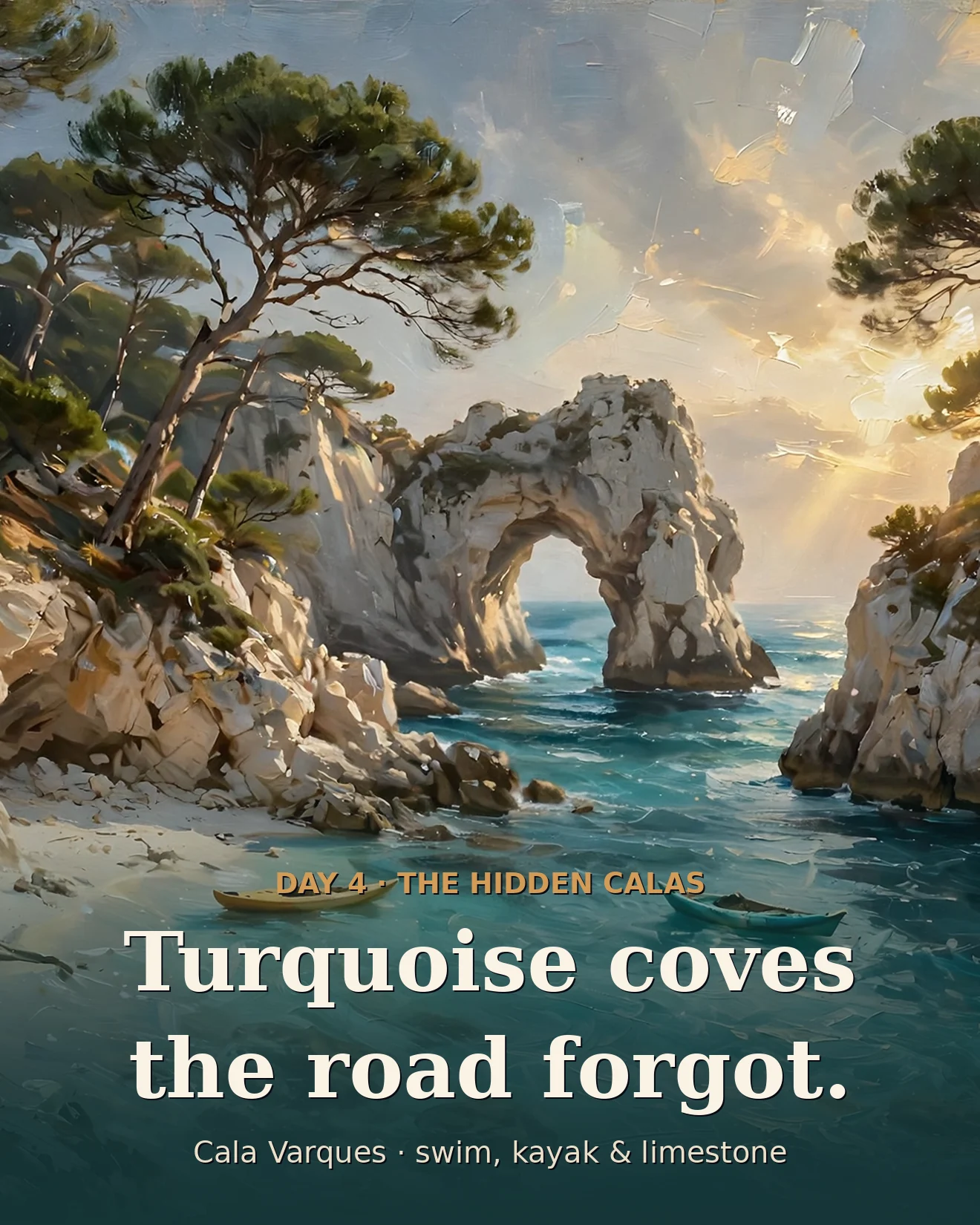
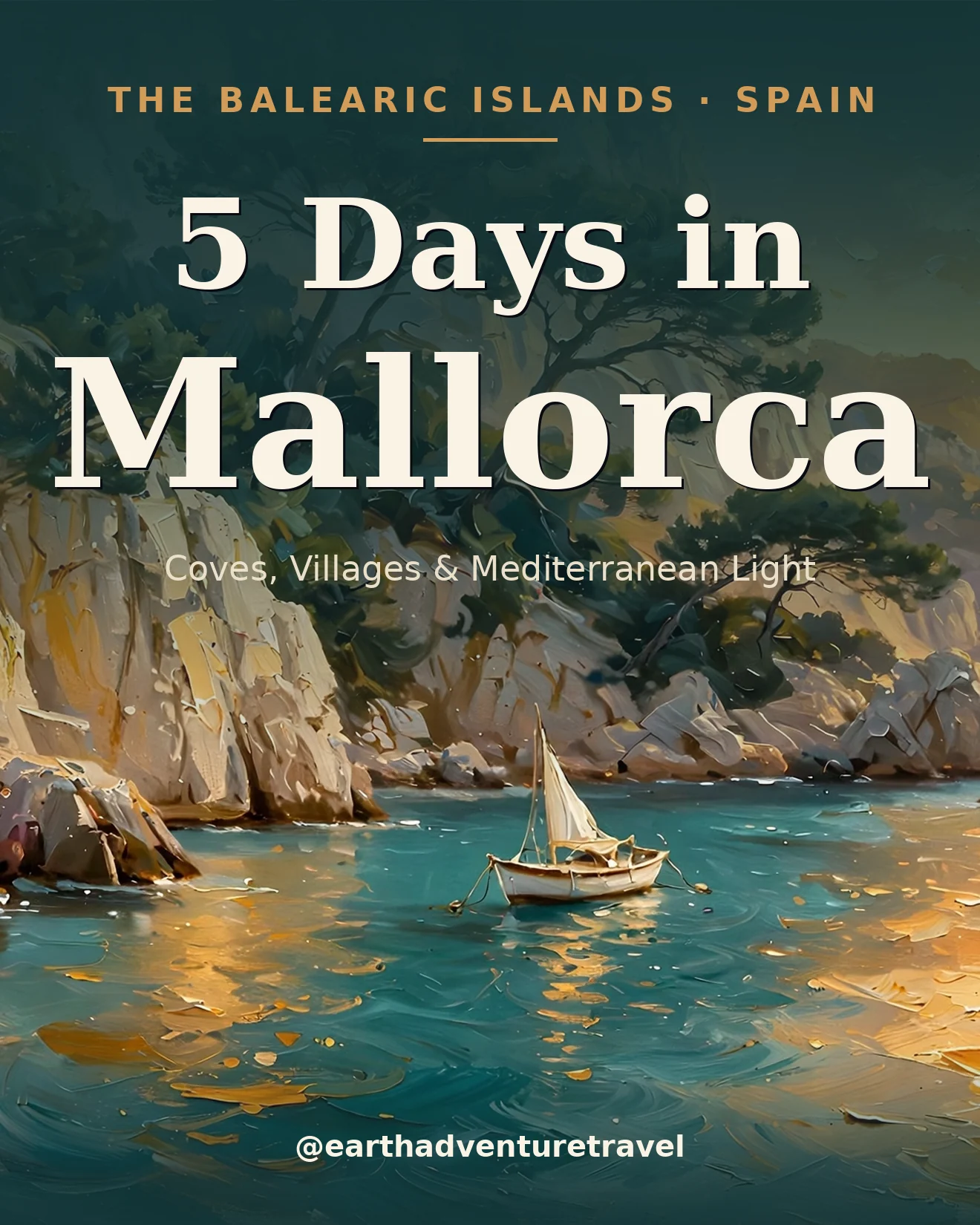
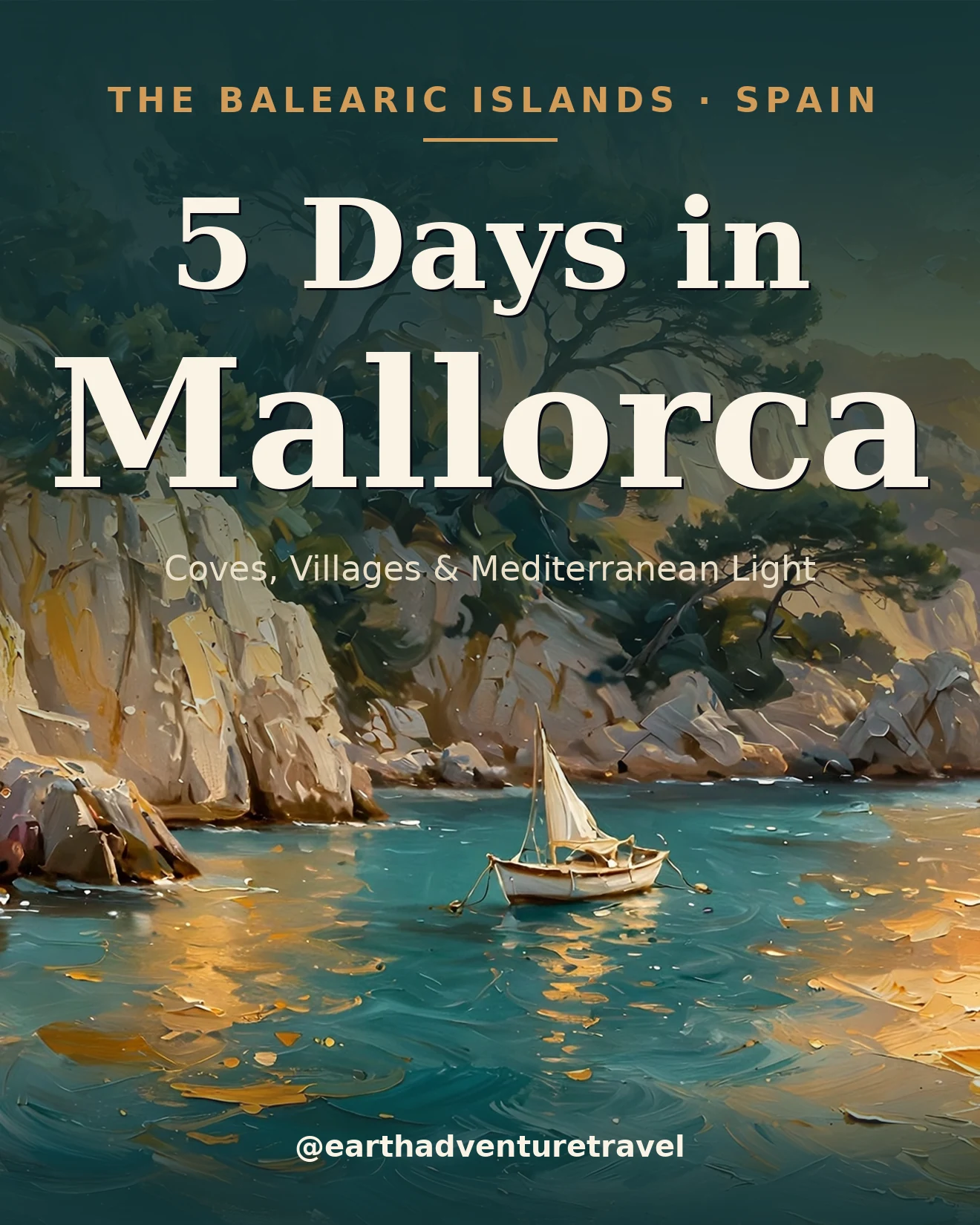
Illustrated cover: a hidden Mallorca cove with limestone cliffs, pine trees and a sailboat at golden hour
Original itinerary artwork
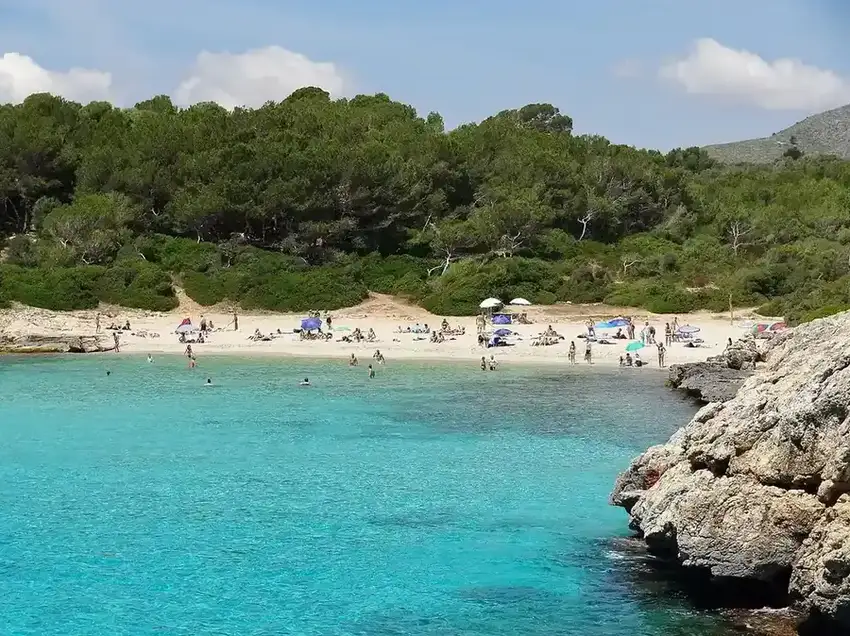
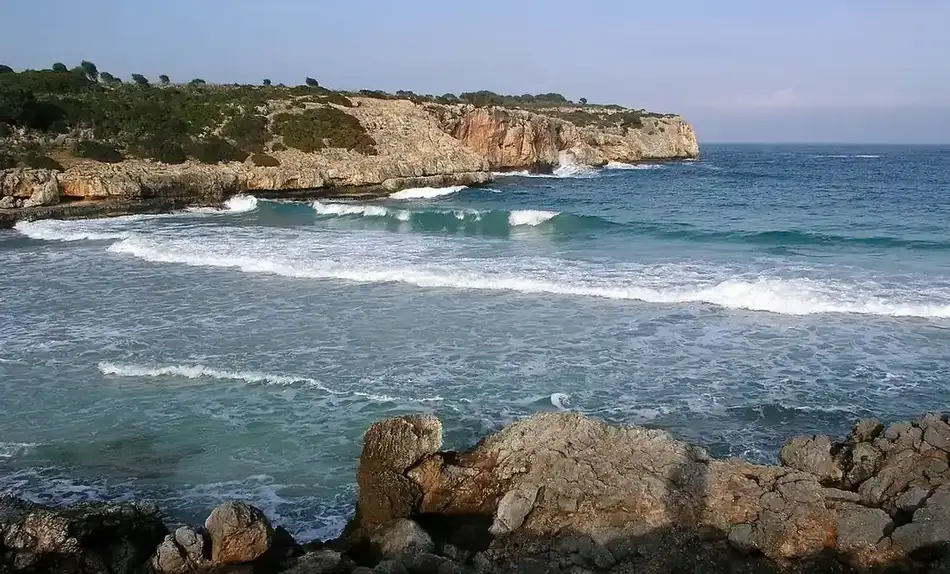
Turquoise water and limestone cliffs at Cala Varques, Mallorca
Cala Varques · the east coast's wildest covePhoto: JYB Devot (CC BY-SA 4.0)

The trip in 60 seconds

At a glance

Who it's for
Couples — slow mornings, long lunches, and one unforgettable island
Route
Palma → Valldemossa & Deià → Sóller → Cala Varques → Cap de Formentor → Palma
Best timing
Late April to early June or September to October: warm seas, quiet calas, and the Tramuntana at its greenest
Pace
One base move mid-trip — two nights Palma, one night Sóller, one night Porto Cristo, final night Palma
Sleep
Boutique hotels and old-town guesthouses; a seafront stay on the east coast for the cala days
Getting there
Fly into Palma (PMI); rent a car at the airport — the island rewards drivers
Good to know
Spring and fall dodge the August crowds and the Formentor driving restrictions ease outside summer

Rough budget · two travelers

$2,400 – $3,600

5 days / 4 nights · boutique hotels + rental car + food · flights excluded · all costs in USD

Lodging · 4 nights
$900–$1,500
Rental car + fuel
$350–$550
Food & drink
$700–$1,000
Activities + extras
$150–$300

The route

One island, five chapters.
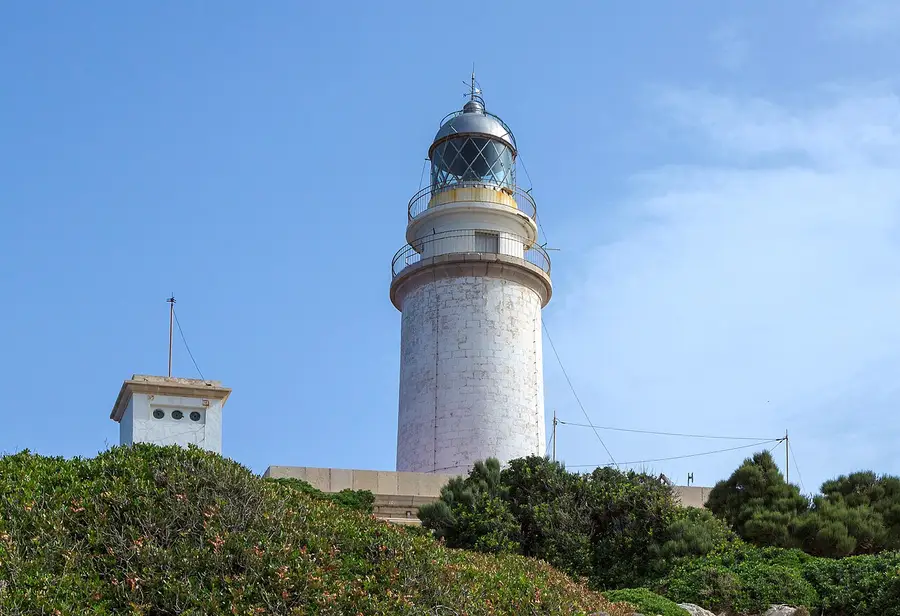
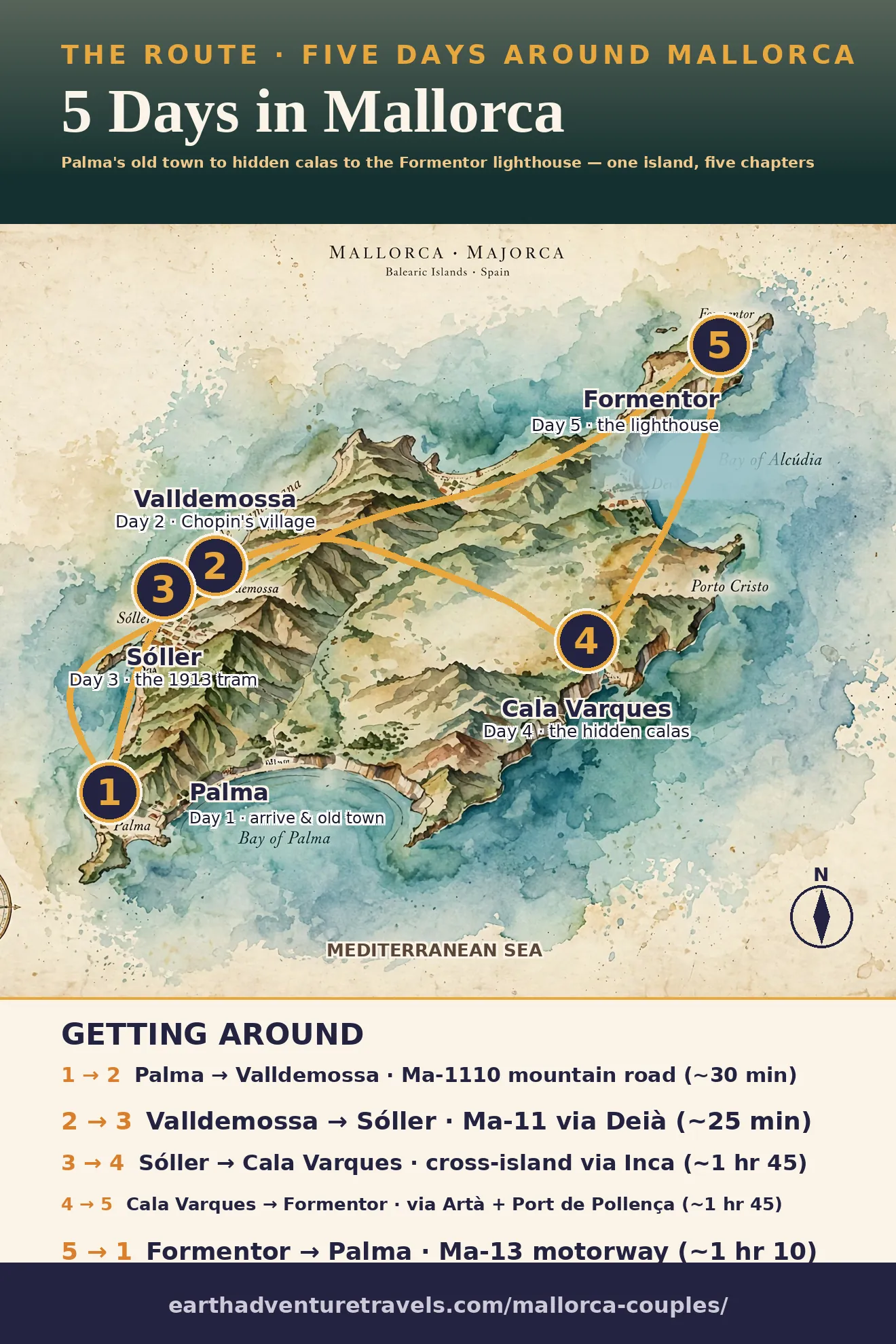
Start in Palma's golden old town, climb into the Serra de Tramuntana for Valldemossa and Deià, ride the 1913 wooden tram down to the sea at Sóller, cross the island for the wild east-coast calas, and finish at the Formentor lighthouse — the edge of the map.
Watercolor route map of Mallorca with five numbered stops: Palma, Valldemossa, Sóller, Cala Varques and Cap de Formentor
Palma → Valldemossa → Sóller → Cala Varques → Formentor → Palma. The dashed line follows the driving route.

The idea

Mallorca rewards the unhurried.

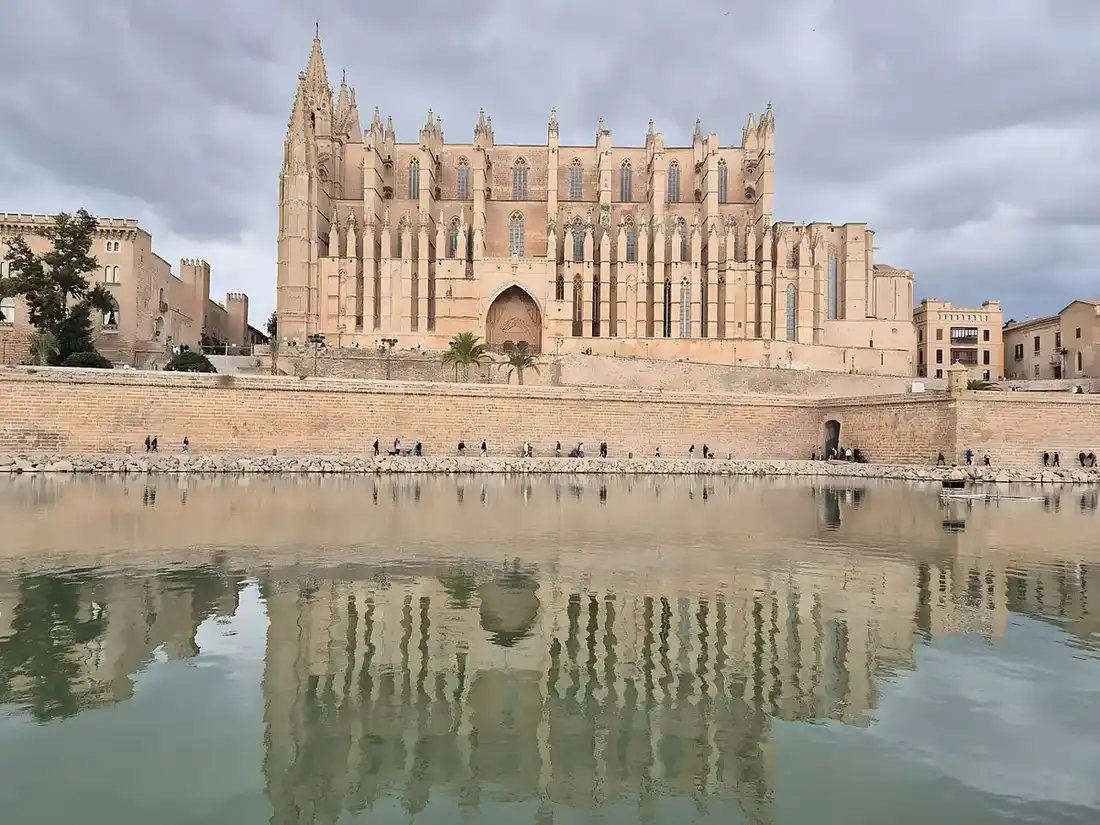
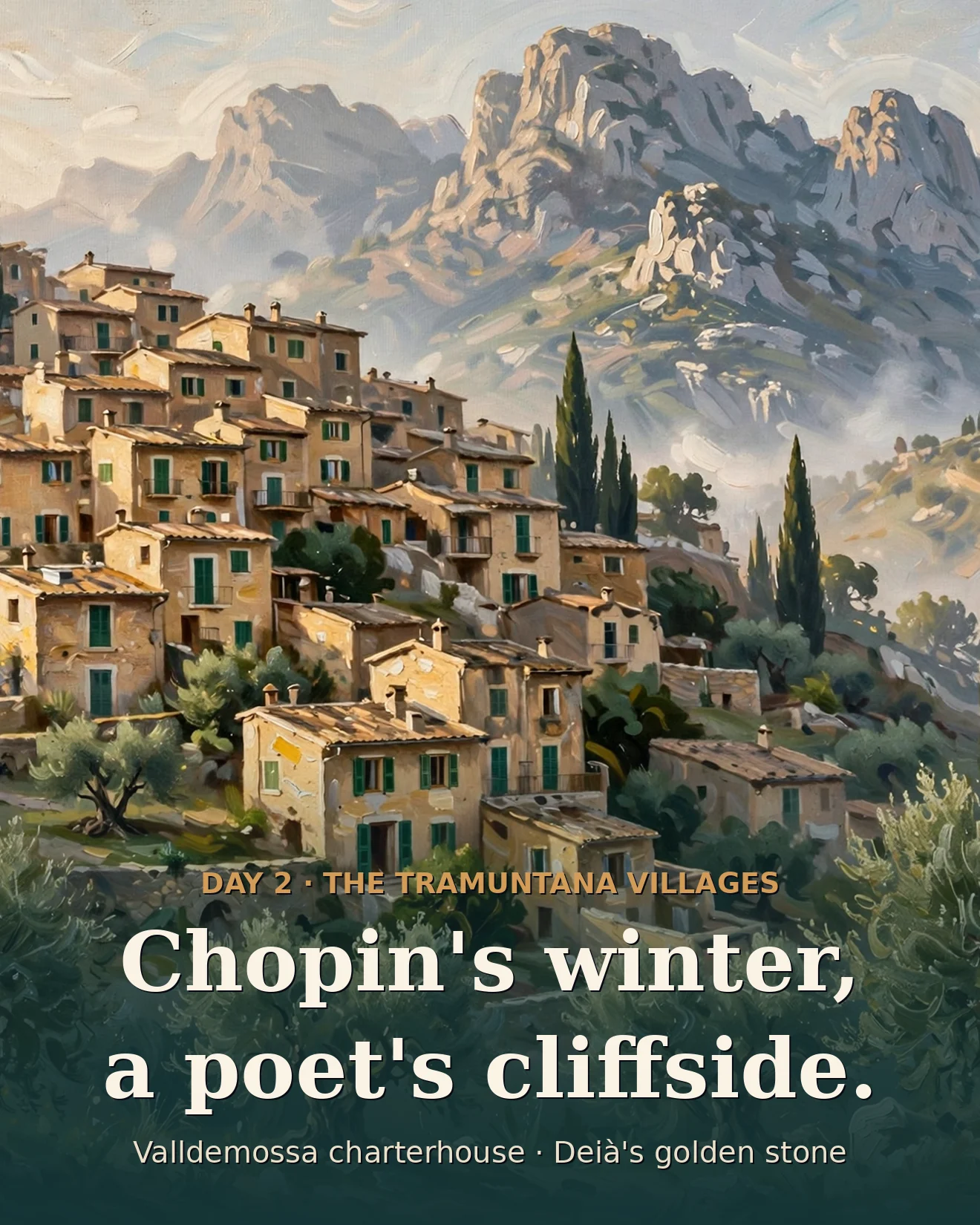
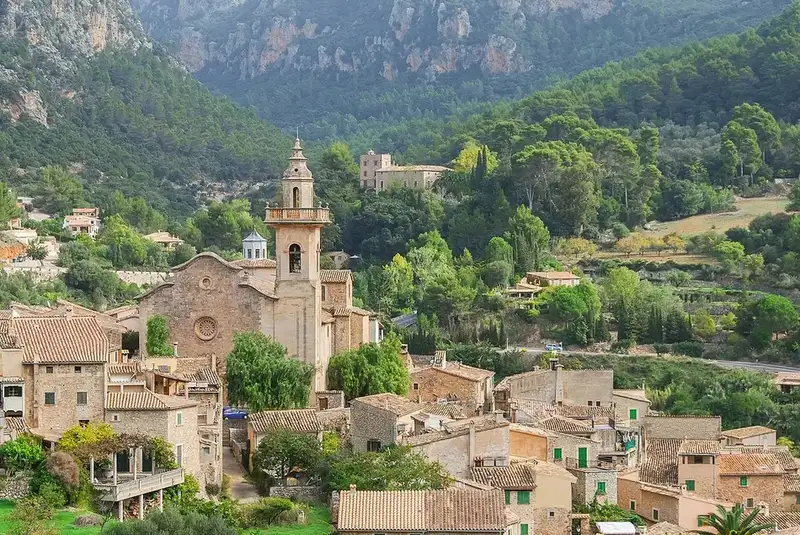
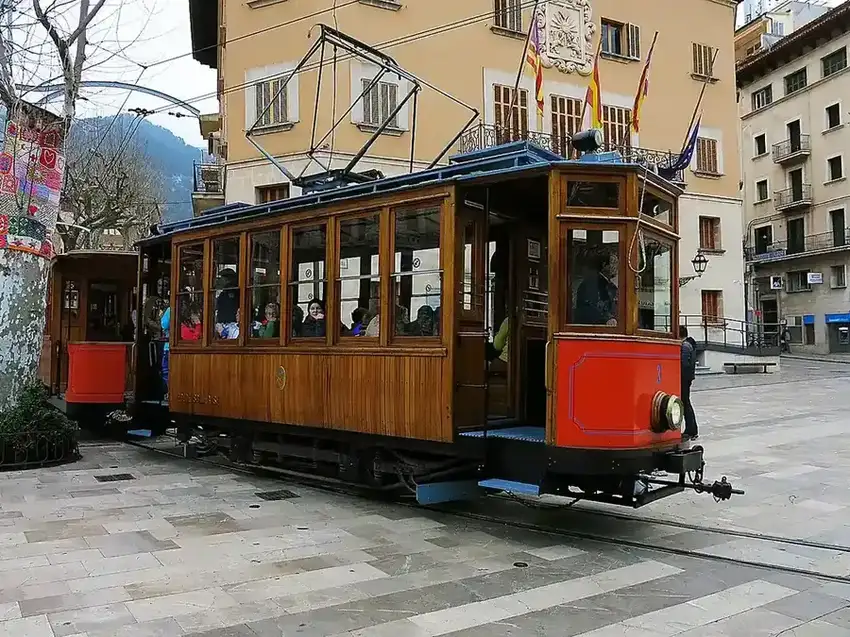
This is not a beach-resort trip — it's the island underneath the resorts. You'll start where the island's history is thickest, in Palma's old town beneath the great sandstone cathedral, then climb into the Tramuntana mountains, a UNESCO World Heritage cultural landscape of olive terraces and dry-stone villages. Valldemossa is where Chopin spent his most miserable and most productive winter; Deià is where Robert Graves fled the world and wrote. Sóller still runs the wooden tram it opened in 1913. And the east coast keeps coves you reach on foot, through pine forest, with no bar and no umbrellas — just limestone, turquoise water, and the two of you.
The rhythm is deliberate: two nights in Palma to land softly, one night in Sóller after the tram, one night on the east coast near the calas, and a final night back in Palma. Spring and fall are the island's sweet spot — the sea is swimmable, the light is painterly, the villages are quiet, and you'll share the famous viewpoints with a handful of people instead of a hundred. Rent the car, pack swim shoes, and leave the afternoons unplanned: Mallorca's best moments are the ones you don't schedule.

Day-by-day summary

Day by day

The five-day route

Tap a day to open it. Distances are short; the island is yours.

Mallorca doesn't ask you to chase the light. It asks you to sit still inside it.

Who is Earth Adventure Travel?

We publish itineraries worth your time off.

Every Earth Adventure Travel guide is researched from official sources, local knowledge, and the details that actually matter on the road — opening hours, driving times, and what to pack for the walk. We don't run tours and we don't sell packages; we build the plan we'd hand a friend. More about how we work →

Before you go

Packing & planning notes

What earns space in the bag

  • Swim shoes — Cala Deià and the east-coast coves are pebbly and rocky; flip-flops won't survive the Cala Varques trail.
  • Snorkel mask — the water at Cala Varques and Caló des Moro is absurdly clear; a mask turns a swim into an expedition.
  • Daypack + dry bag — the Cala Varques walk needs water, snacks, and sunshade carried in; a dry bag protects phones on kayak day.
  • Layers for the mountains — Valldemossa and the Tramuntana run 5–10°F cooler than Palma; a light fleece earns its weight in spring and fall.
  • Sun protection — reef-safe sunscreen, a hat, and a rash guard; the Mediterranean sun is honest work in May and September.
  • Modest layer — La Seu cathedral enforces its dress code: a scarf or shirt that covers shoulders gets you through the door.

All prices in this guide are in USD at roughly €1 = $1.17 (October 2026). Mallorcan prices are seasonal — spring and fall run noticeably cheaper than August on hotels, while restaurant and entry prices barely move.

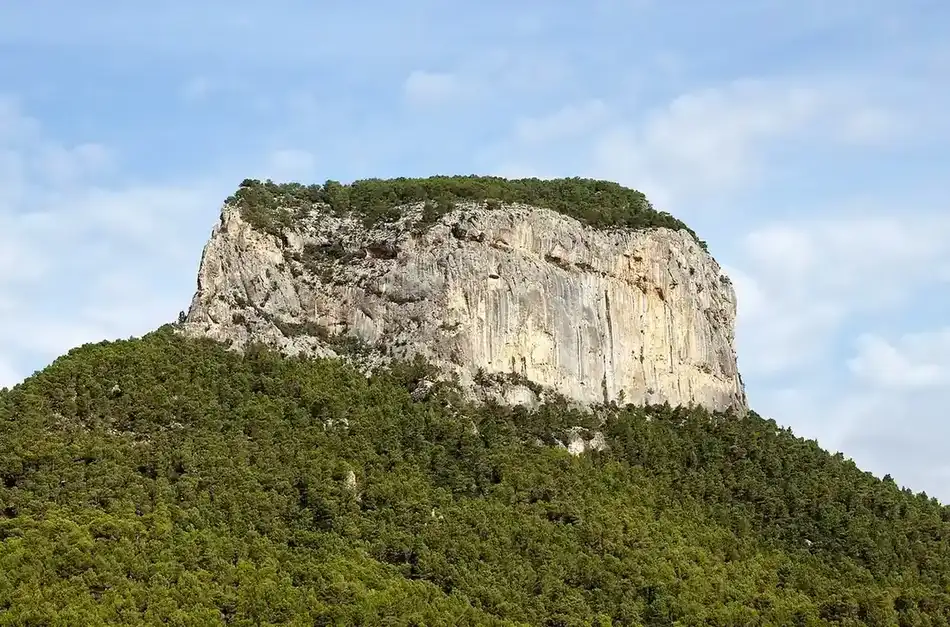
The Puig d'Alaró ridge in the Serra de Tramuntana
The Tramuntana rewards the preparedPhoto: Llez (CC BY-SA 3.0)

Quick answers

Questions couples ask

Is Mallorca a good trip for couples?

It's one of the best short couples trips in Europe. The island compresses everything into easy drives — old-town Palma for romance, mountain villages for wandering, the vintage tram for a shared experience, and coves where you'll be nearly alone in spring and fall. Five days is enough to feel like a real journey without the logistics of a multi-country trip.

When is the best time to visit Mallorca?

Late April to early June and September to October are the sweet spot: warm enough to swim, cool enough to hike the Tramuntana, and far quieter than summer. The sea stays swimmable into October. August brings crowds, peak prices, and the Formentor driving restrictions.

Do we need a rental car?

Yes — this itinerary is built around one. The villages, the calas, and Formentor are all awkward or impossible by public transport, and the drives themselves (the Ma-10, the Formentor road) are highlights. Book the car with your flights; automatic transmission sells out in shoulder season.

How hard is it to get to Cala Varques?

It's a 1.5–2 km walk through pine forest from the roadside parking — easy in sneakers, miserable in flip-flops, and there's no shade, no water, and no facilities at the cove. Carry everything in and everything out. The effort is exactly why it's still wild.

Is the Sóller tram worth it?

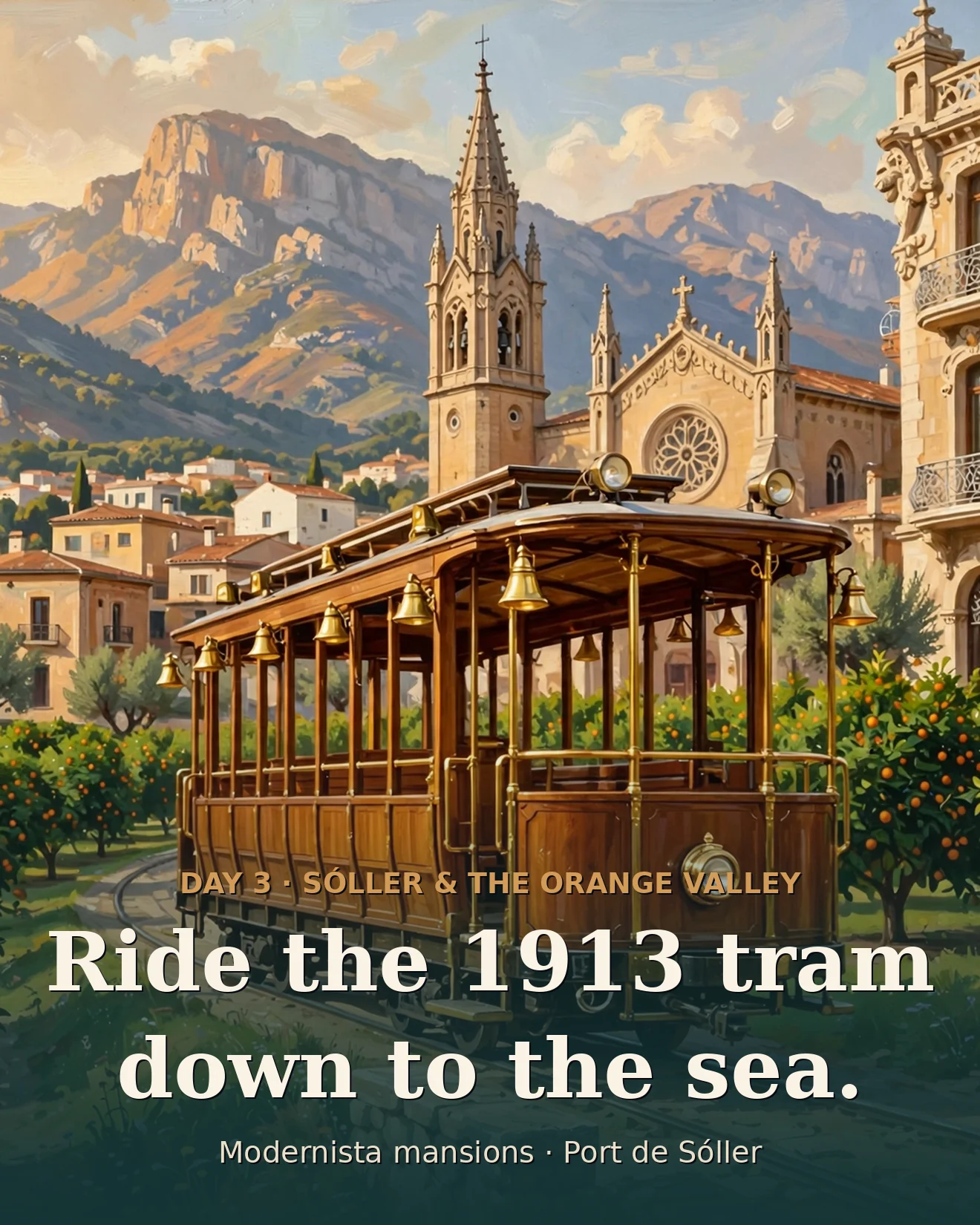
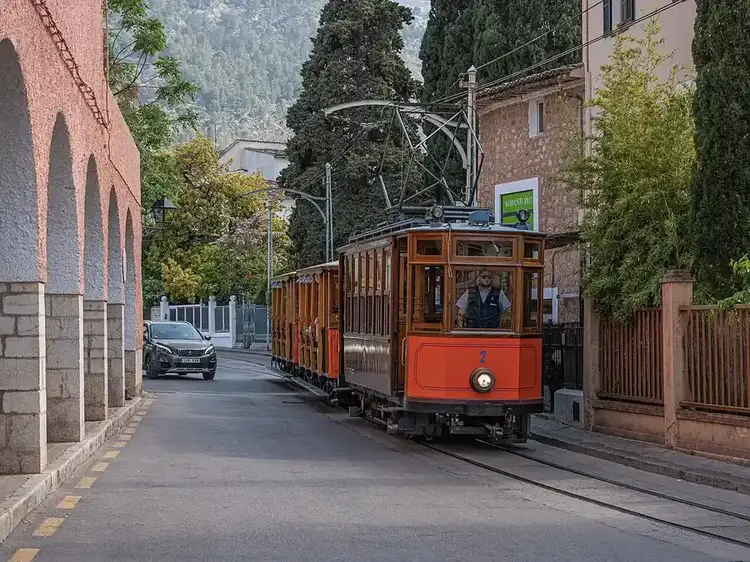
Completely. The wooden tram has run the same 4.9 km line since 1913, tickets are about $12 one way sold on board, and the 25-minute ride through orange groves to the sea is pure romance. Sit on the seaward side going down.

Can you drive all the way to the Formentor lighthouse?

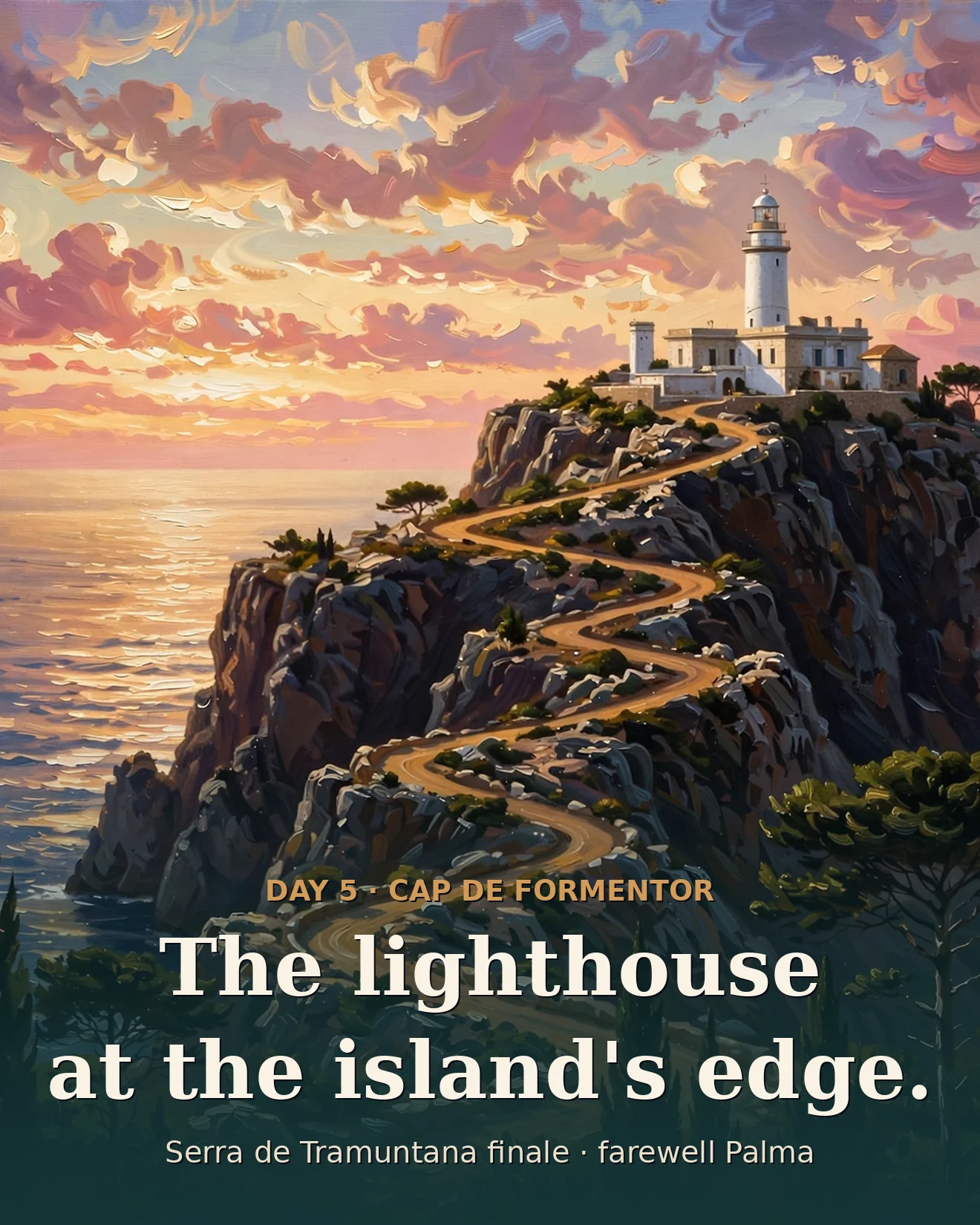
In spring and most of fall, yes. From June through October, private cars are restricted on the lighthouse road from 10 AM to 7 PM — take the TIB bus from Port de Pollença instead. Arriving before 8 AM beats every version of the crowds.

What Mallorcan food should we not miss?

Ensaïmada (the spiral lard pastry — Ca'n Joan de s'Aigo in Palma is the benchmark), sobrassada (the spreadable cured sausage made from black pigs), pa amb oli (bread, tomato, olive oil), and tumbet (the island's ratatouille). Order the local red; Binissalem wines are the island's own.

Is five days enough for Mallorca?

For this loop — Palma, the Tramuntana villages, Sóller, the east-coast calas, and Formentor — yes. It moves once mid-trip and never rushes. Add two days if you want beach days at Cala Mondragó or a second cala expedition; skip nothing here to make room.

How much does a 5-day Mallorca trip cost for two?

Roughly $2,400–$3,600 for two travelers in spring or fall, excluding flights: $900–$1,500 for four nights of boutique hotels, $350–$550 for the rental car and fuel, $700–$1,000 for food and drink, and $150–$300 for entries and extras. All costs in USD.

Is Mallorca expensive compared to mainland Spain?

Slightly — it's an island and a premium destination, so hotels and car rental run above mainland prices. But restaurant prices in the villages are honest, entries are cheap (the cathedral is about $12), and spring/fall hotel rates undercut August by a wide margin.

Where should we stay — one base or move around?

Move twice, lightly: two nights in Palma, one in Sóller, one on the east coast near the calas, and the final night back in Palma. The island is small enough that a single base works, but you'll waste hours backtracking — and the Sóller and east-coast nights are two of the trip's best.

What should we pack for the calas?

Swim shoes, a snorkel mask, a dry bag, reef-safe sunscreen, and more water than you think. Cala Varques has no facilities at all. A light fleece also earns its place — the Tramuntana villages run cooler than Palma, especially in the evening.

Before you book

Pre-trip checks.

Seven things to verify before you commit — the difference between a dream trip and a stressful one is all here.

The checklist

  • Book flights to Palma (PMI) and reserve the rental car in the same session — automatics sell out in shoulder season.
  • Check the La Seu cathedral hours for your dates (closed Sundays to tourists) and the Real Cartuja hours — verify on the official sites.
  • Check the Cap de Formentor driving restrictions for your travel dates; plan the TIB bus from Port de Pollença if restrictions apply.
  • Download offline maps for the Cala Varques trail and the Tramuntana — signal drops on parts of the east-coast walk.
  • Book night three (Sóller) and night four (Porto Cristo) early — small towns, small hotels, and couples' favorites fill first.
  • Reserve the Cala Romàntica kayak tour a day ahead if you want the sea-cave paddle on day four.
  • Pack swim shoes, a snorkel mask, and a dry bag — and a shoulder-covering layer for the cathedral.

References

Research behind this guide

The reporting and research that shaped this itinerary.

Frommer's — Valldemossa & Deià ↗Frommer's — the Real Cartuja, Chopin's cell, and village logistics in the Tramuntana; grounds our day-two plan
Ensaïmada, Symbol of the Balearic Islands ↗WAMC — the history and craft behind Mallorca's iconic spiral pastry; anchors our food guidance
Balearic Island Food ↗Expatica — sobrassada, pa amb oli, tumbet, and the rest of the island's table
La Seu — The Cathedral of Palma ↗Nomads Travel Guide — visiting practicalities for Palma's cathedral: hours, tickets, and what to see inside

Sources & verification

How this guide was verified

Hours, prices, and transport details were checked against official sources in October 2026 — the cathedral, the Sóller tram operator, TIB transport, and the Balearic tourism portal. Prices are in USD at roughly €1 = $1.17. If something's changed, tell us and we'll re-verify. How we verify →

The trip index

Choose the landscape. Then choose the pace.

Every itinerary gives you a realistic route, daily rhythm, planning notes, and the details that make a family trip work.

Use the filters above to see matching itineraries.

No exact match—yet.

Clear a filter to see the closest routes already in the library.