CitiesFamilyCouples

Seven days · Tokyo, Kyoto & Osaka at cherry-blossom peak

Japan in Bloom: a 7-Day Cherry-Blossom Itinerary for First-Timers

Tokyo's gardens, dawn at a Kyoto temple, the bullet train west, and Osaka Castle framed in blossoms — a first-timer's week in Japan at the exact moment the whole country stops to look up.

Cities & Urban WeekendsHistoric & Cultural Routes

7 days / 6 nightsBest Mar 28–Apr 5Couples · familiesEstimate: $3.8K–$6.2K for 4
Illustrated Japan cover: Mount Fuji, a vermillion torii, and falling sakura petals at dusk
Original itinerary artwork
On this page
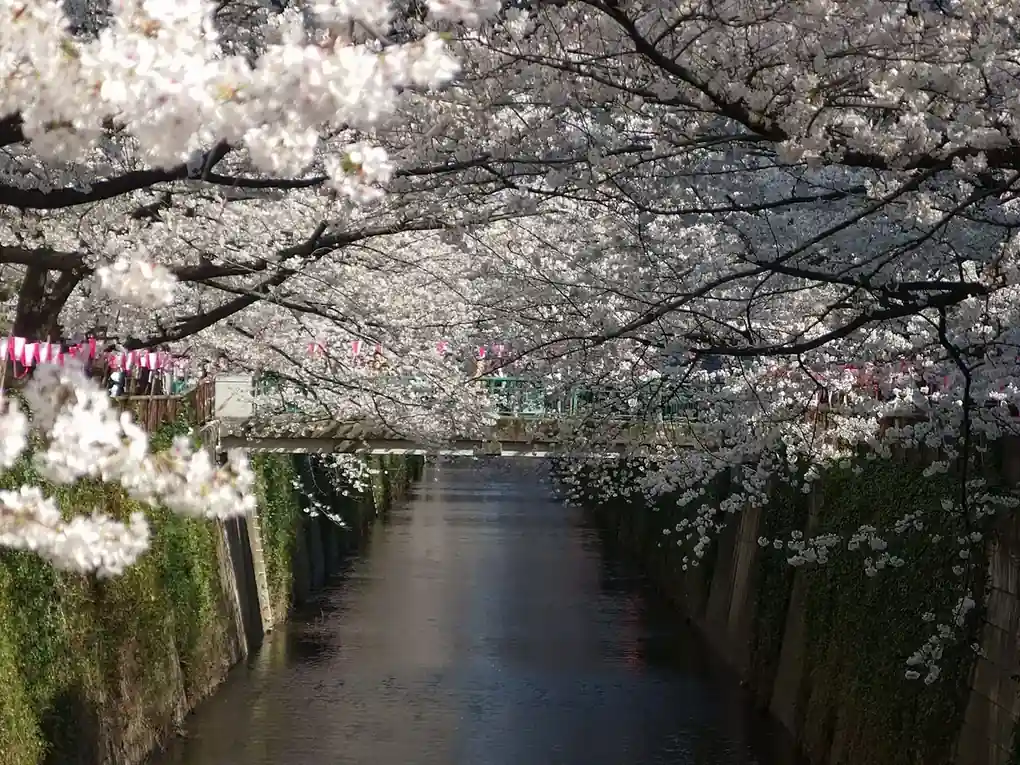
A tunnel of cherry-blossom branches overhanging the Meguro River in Tokyo
The Meguro River's sakura canopy, Tokyo. Photo: Kakidai / Wikimedia Commons (CC BY-SA 4.0)

The 60-second version

At a glance

Who it's for
First-timers, couples, and families with kids 6 and up
Route
Tokyo (3 nights) · Kyoto (2 nights) · Osaka (1–2 nights)
Best timing
March 28 to April 5: peak bloom in Tokyo, Kyoto, and Osaka per the 2027 forecasts
Pace
Moderate — 15,000+ steps a day, one bullet train, early starts at the big temples
Sleep
Tokyo 3 nights → Kyoto 2 nights → Osaka 1–2 nights; pack light, use luggage forwarding
Good to know
Book hotels by January — sakura season sells out 3+ months ahead

Rough budget · family of 4

$3,800 – $6,200

6 nights · lodging, food, trains, attractions · flights excluded

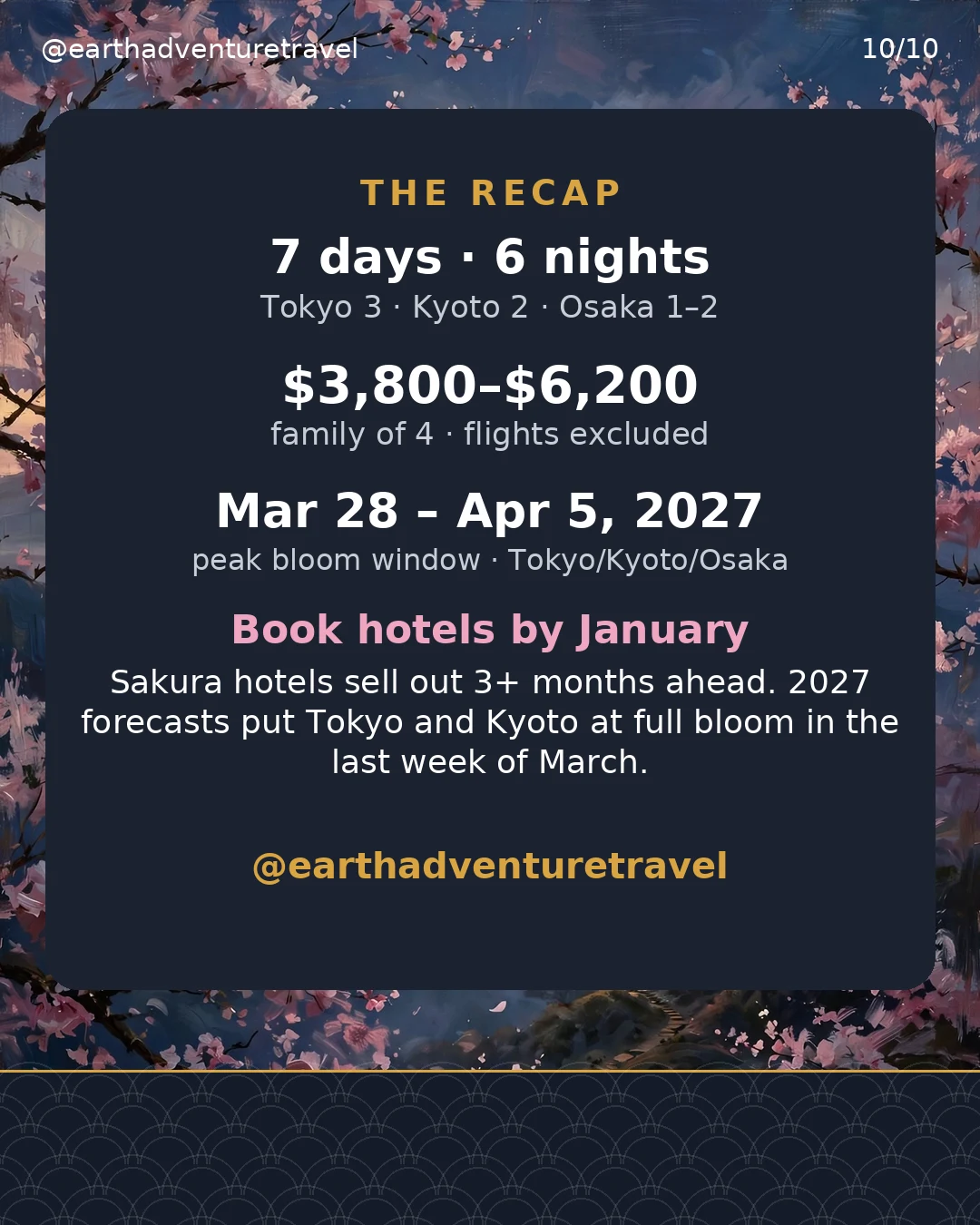
Japan in Bloom trip recap graphic: seven days, three cities, one bullet train, one cherry-blossom season
Share the plan.

The idea

Cherry-blossom season is the one time of year when all of Japan — schoolchildren, salarymen, grandparents — leaves work early and goes outside to sit under trees. This trip puts you inside that ritual: seven days from Tokyo to Kyoto to Osaka, timed for the week the forecasts say the blossoms peak.

It's a first-timer's route, built for a couple or a family with kids. Three nights in Tokyo for gardens, old Asakusa, and the digital-art museum kids will talk about for months. Two nights in Kyoto for the temples that made Japan famous — visited at dawn, before the tour buses. One night in Osaka for the castle, the market, and the best street food of the three cities. One bullet train stitches it all together, with a seat on the right side for Mount Fuji.

Two ground rules make it work. Book by January. Sakura week sells out hotels three months ahead, and Kyoto is the first city to fill. And set one early alarm per day. The blossoms are free and the crowds are real — the travelers who see Kiyomizu at 6 a.m. have a different Japan than the ones who arrive at noon.

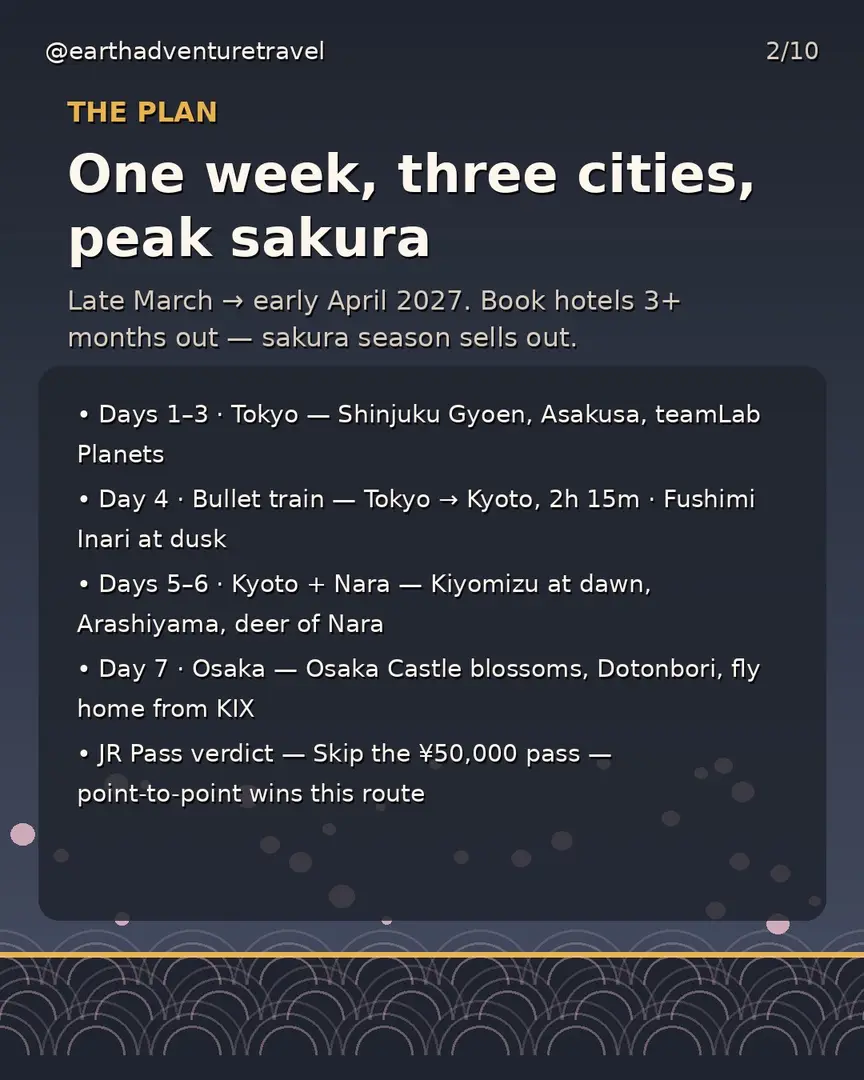
7days, 3 cities
Mar 28–Apr 52027 peak-bloom window
¥14,170bullet-train fare to Kyoto (~$90)
$3.8–6.2Kfor a family of 4, 7 days

The seven-day route

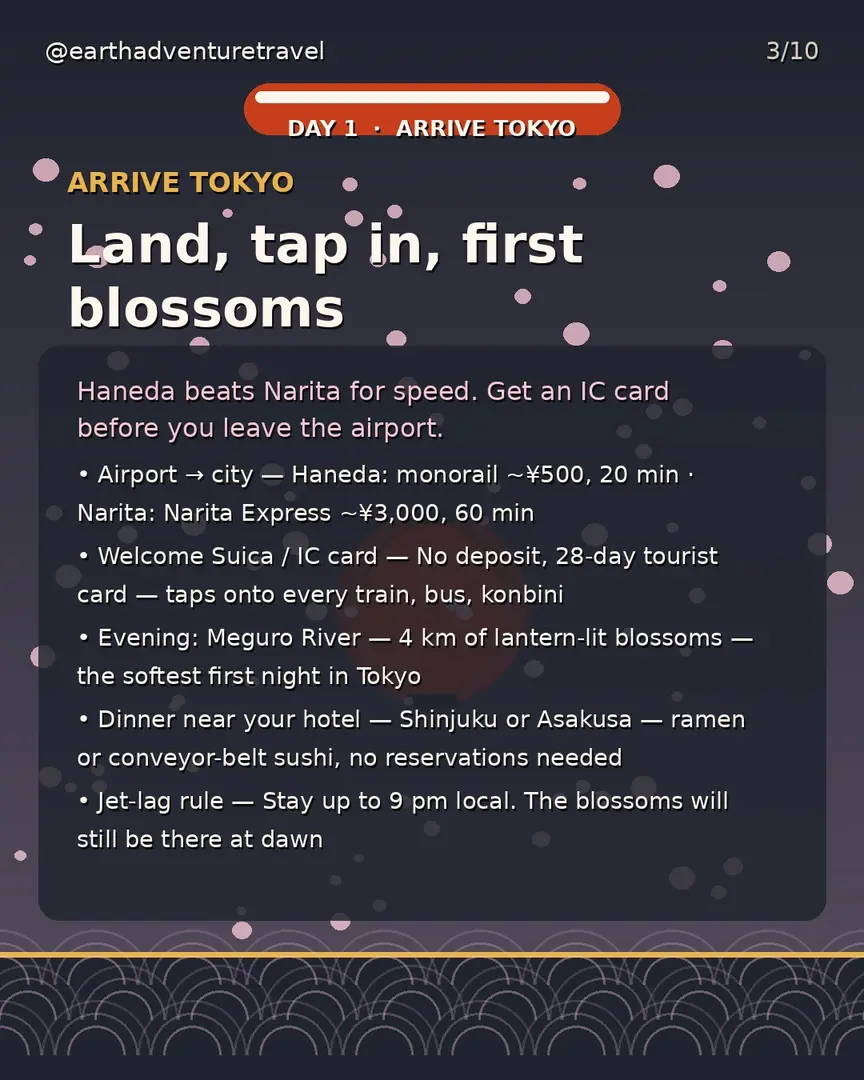
Day 1 itinerary card: arrive Tokyo, Meguro River blossoms
Share the day.

Touch down, clear immigration (allow an hour at peak times), and get your Welcome Suica at the airport — no deposit, valid 28 days, and it works on nearly every train, bus, and vending machine in the country. From Haneda, the Tokyo Monorail reaches Hamamatsucho in about 20 minutes for ~¥500; from Narita, the Narita Express takes a full hour (~¥3,000). If your fare was close, Haneda was the right call.

Check in, shower, and resist the bed. The jet-lag prescription is daylight and movement, so spend the late afternoon on the Meguro River: nearly four kilometers of cherry trees arching over the water, strung with paper lanterns that light up at dusk. It's flat, stroller-friendly, and lined with coffee stands — the gentlest possible introduction to Japan in spring.

The plan

  • Land, buy Welcome Suica, monorail or express into the city (~¥500–3,000).
  • Check in near a major JR station — Shinjuku, Ikebukuro, or Ueno all work for first-timers.
  • Rest, then ride to Nakameguro by 5 p.m. for the blossom-lit river walk.
  • Early night. Tomorrow is the big garden day, and you'll want fresh legs.

Where to stay

  • Hotel Gracery Shinjuku — the Godzilla head on the roof delights kids; station-adjacent.
  • Keio Plaza Hotel — spacious family rooms and skyline views, two minutes from Shinjuku Station.
  • Mimaru Tokyo (several locations) — apartment-style rooms with kitchenettes for families.
Day 1 → Day 2: Stay put — Tokyo's trains make the whole west side a 20-minute ride from any of these bases.

If you're wiped, skip the river tonight and sleep. The blossoms aren't going anywhere; jet lag wins every fight on day one.
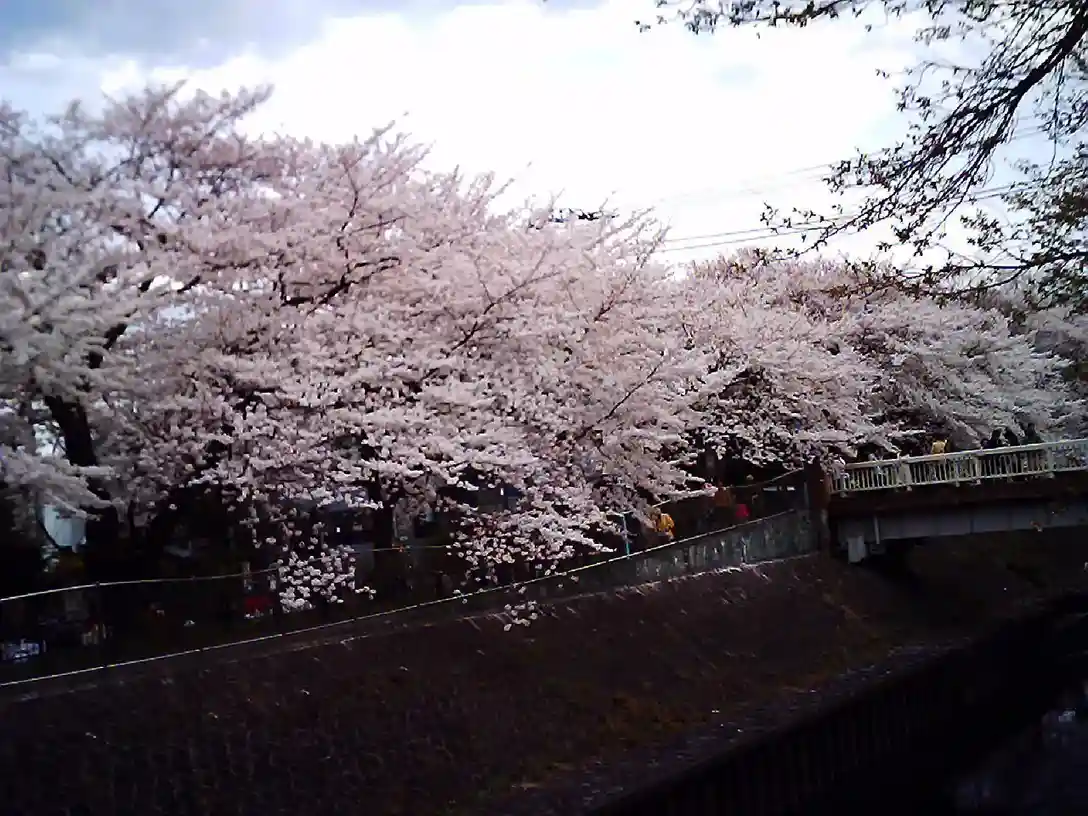
Cherry blossoms over the Zenpukuji River in Tokyo
Blossom canopy over the Zenpukuji River, Tokyo. Photo: 663highland / Wikimedia Commons (CC BY-SA 3.0)
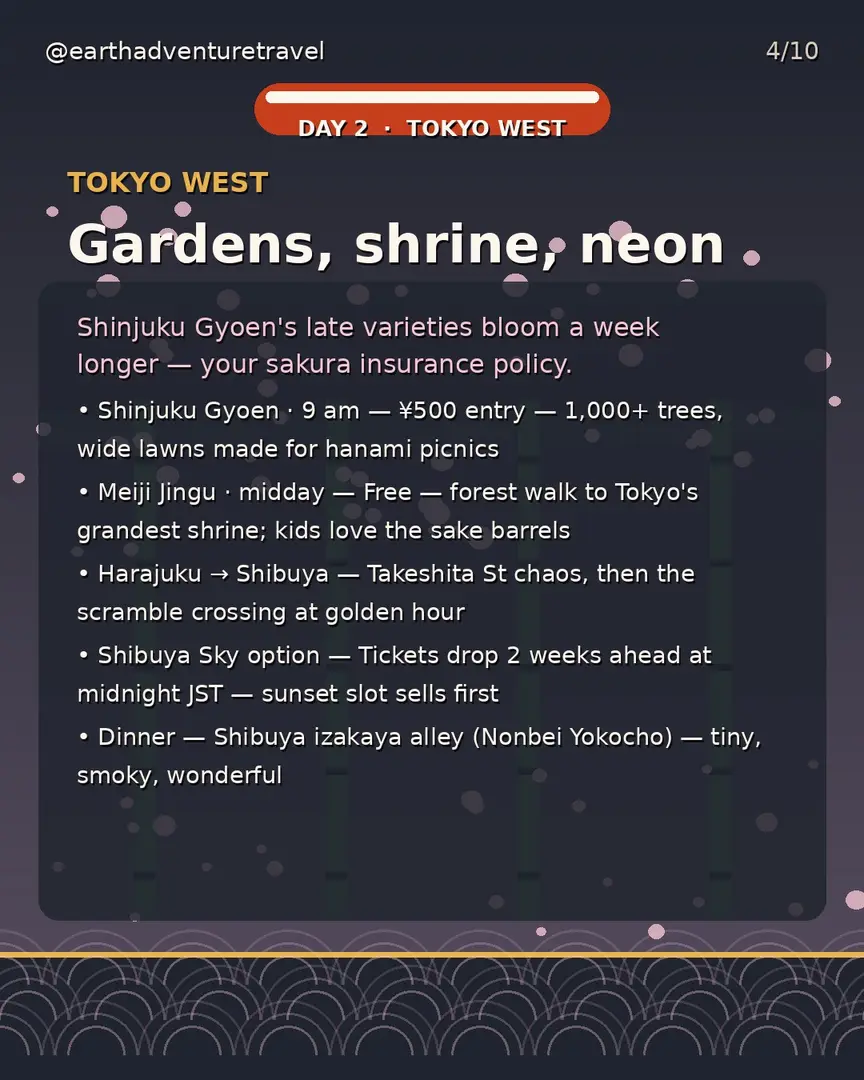
Day 2 itinerary card: Shinjuku Gyoen and Shibuya
Share the day.

Start at Shinjuku Gyoen, Tokyo's great blossom garden — 1,000+ cherry trees across manicured lawns, with wide paths that make strollers easy and plenty of grass for kids to run on. Admission is ¥500 (~$3), and the garden opens early enough to beat the worst crowds if you arrive at opening. This is the hanami picnic of the trip: grab convenience-store onigiri and sit under the trees like everyone else.

Walk 20 minutes west to Meiji Jingu, the city's grandest shrine, set in a forested park that feels like a different century. The gravel paths are stroller-manageable, and the sake-barrel wall makes a good family photo. Cut through Harajuku's Takeshita Street for crepes and people-watching, then finish at Shibuya: cross the famous scramble at golden hour and ride to the top of Shibuya Sky for the city at sunset (book tickets exactly two weeks out at midnight JST — they sell fast).

The plan

  • Morning: Shinjuku Gyoen at opening (¥500); hanami picnic on the lawns.
  • Midday: Meiji Jingu shrine and the forest walk; Takeshita Street crepes for lunch.
  • Afternoon: Shibuya scramble crossing; Yoyogi Park if legs allow.
  • Evening: Shibuya Sky sunset (tickets ~2 weeks ahead), then dinner in Shibuya's basement food halls.

Where to stay

  • Same Tokyo base as Day 1 — no need to move hotels.
  • Shibuya Excel Hotel Tokyu — sits right over the scramble; book a high floor for the view.
  • Park Hotel Tokyo (Shiodome) — artist-designed rooms, good for a second Tokyo base.
Day 2 → Day 3: Head east tomorrow — Asakusa and Ueno are 20 minutes by subway from Shinjuku.

Shibuya Sky tickets release at midnight JST two weeks before your date. Set an alarm — sunset slots sell out within hours in sakura season.

Blossom-lined lawns of Shinjuku Gyoen in spring
Spring lawns at Shinjuku Gyoen. Photo: Kakidai / Wikimedia Commons (CC BY-SA 3.0)
Day 3 itinerary card: Senso-ji and teamLab Planets
Share the day.

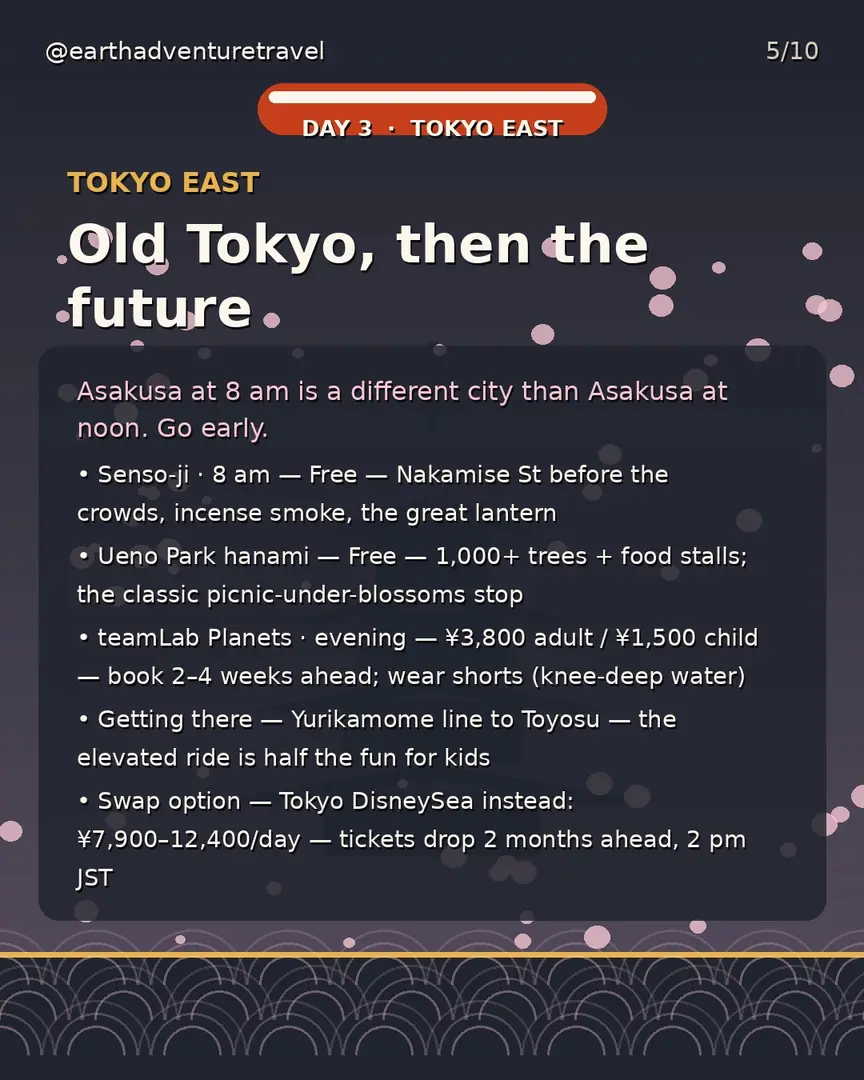
The early alarm pays off today. Senso-ji in Asakusa — Tokyo's oldest temple, founded in 628 — opens its grounds at 6 a.m., and the giant Kaminarimon lantern photographs best before the Nakamise shopping street wakes up. Arrive by 7, walk the temple lane nearly empty, and eat your way down Nakamise as the stalls open: ningyo-yaki cakes, melon pan, matcha soft serve.

Midday belongs to Ueno Park, one of Tokyo's most famous hanami spots — the main promenade runs under a solid canopy of blossoms, and the park's museums (the National Museum is the standout) make a perfect bad-weather fallback. Then rest at the hotel: tonight is teamLab Planets in Toyosu, the immersive digital-art museum where you wade through knee-deep water rooms and flower-filled infinity spaces. It's the single most kid-delighting thing in Tokyo — book 2–4 weeks ahead (¥3,800 adult, ¥1,500 child 4–12), wear shorts or roll-up pants, and arrive 30 minutes early.

The plan

  • Early: Senso-ji at 7 a.m. (free grounds); Nakamise snacks as stalls open.
  • Midday: Ueno Park hanami walk; National Museum if rain or tired legs.
  • Afternoon: hotel rest — teamLab is best with fresh energy.
  • Evening: teamLab Planets (book 2–4 weeks out); dinner in Toyosu or back in Asakusa.

Where to stay

  • Same Tokyo base — one last night before the Shinkansen.
  • Asakusa Tobu Hotel — steps from Senso-ji; ideal if you want the dawn start without the subway.
  • Hotel Metropolitan Edmont (Iidabashi) — quiet, family-friendly, easy airport and Shinkansen access.
Day 3 → Day 4: The bullet train west tomorrow — forward big bags hotel-to-hotel by takuhaibin (~¥2,500/bag) and travel light.

teamLab tip: the water rooms go knee-deep, so wear shorts or pants that roll up — and go barefoot; lockers are provided.

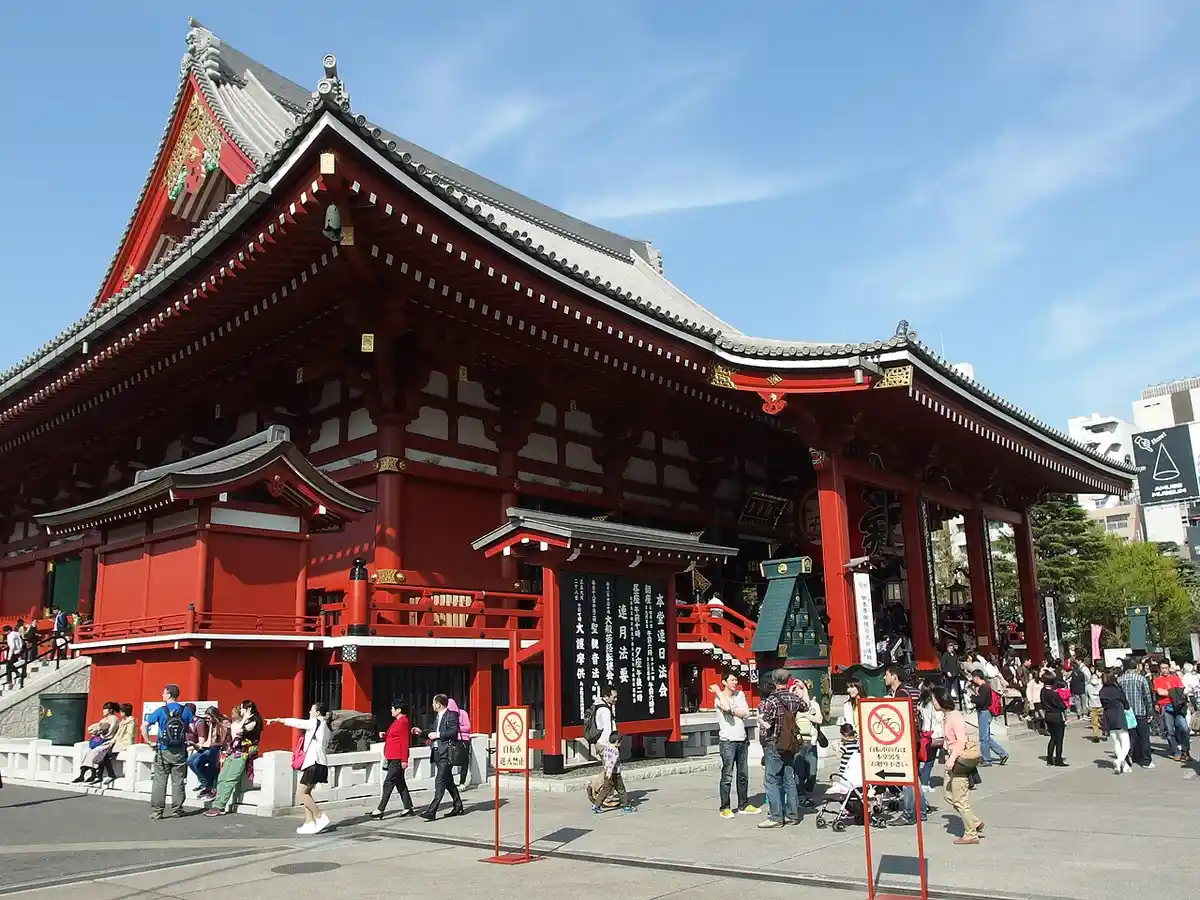
The great red lantern of Senso-ji temple in Asakusa
The Kaminarimon lantern at Senso-ji, Asakusa. Photo: Chris 73 / Wikimedia Commons (CC BY-SA 3.0)
Day 4 itinerary card: Shinkansen to Kyoto and Fushimi Inari
Share the day.

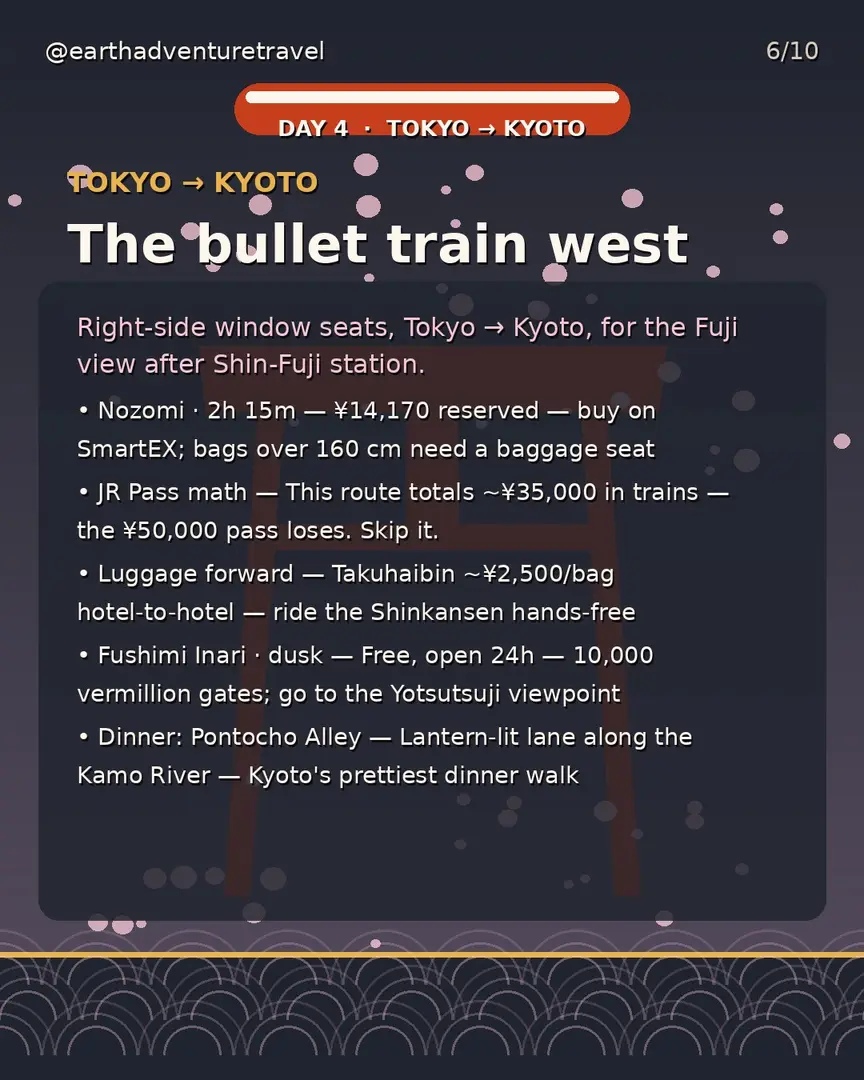
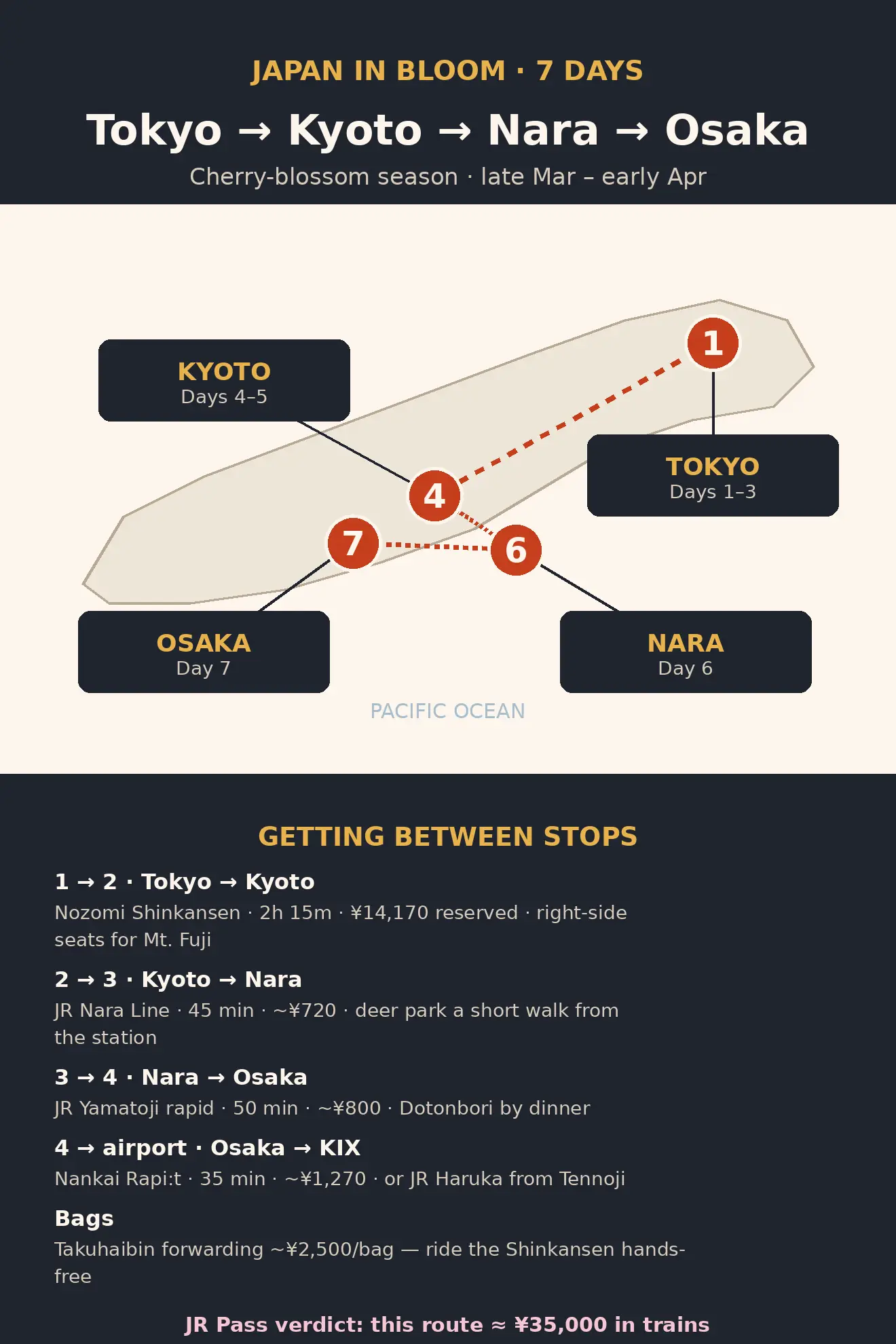
Ride the Nozomi Shinkansen from Tokyo Station to Kyoto — 2 hours 15 minutes, ¥14,170 reserved (~$90), booked on SmartEX. Sit on the right side heading west: on clear mornings Mount Fuji fills the window about 45 minutes out. Buy an ekiben (station bento) at Tokyo Station's Gransta — kids get the Shinkansen-shaped boxes.

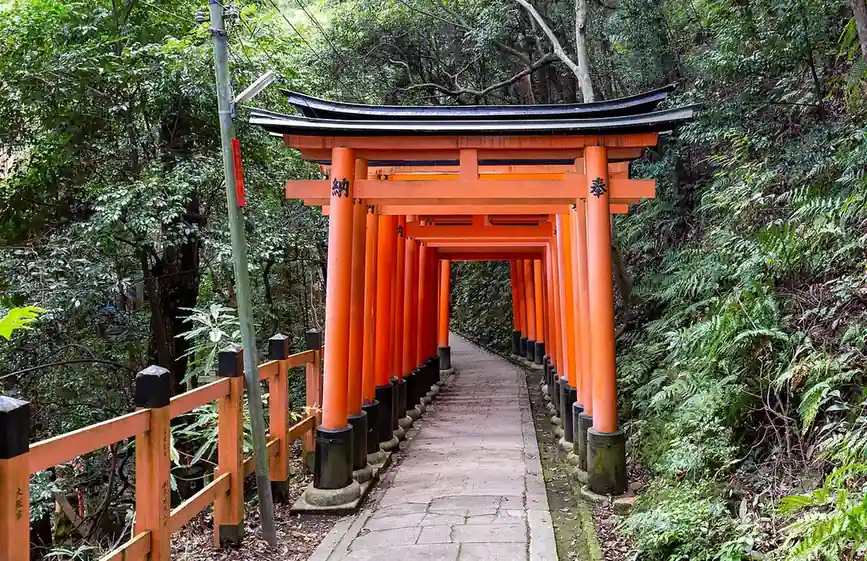
Check in, drop bags, and head straight to Fushimi Inari — the shrine of 10,000 vermillion gates, two train stops from Kyoto Station and open 24 hours, free. Go at dusk: the crowds thin, the lanterns come on, and the tunnel of gates photographs beautifully in low light. You don't need to climb to the summit — the first 30 minutes of gates are the best part, and that's plenty with kids.

The plan

  • Morning: Nozomi Tokyo → Kyoto (2h 15m, ¥14,170 reserved); right-side seats for Mt. Fuji.
  • Midday: check in, lunch near Kyoto Station — try the ramen street on the 10th floor of Isetan.
  • Dusk: Fushimi Inari (free, 24h) — walk the gate tunnels as the lanterns light.
  • Evening: dinner in Gion or Pontocho; keep it early after the travel day.

Where to stay

  • Hotel Granvia Kyoto — above Kyoto Station; zero-transfer arrival with bags and kids.
  • The Celestine Kyoto Gion — quiet, walkable to Higashiyama's temples.
  • Mimaru Kyoto Central — apartment-style family rooms, kitchenettes, laundry.
Day 4 → Day 5: Kyoto's east side tomorrow — Kiyomizu at dawn, then the Philosopher's Path in full bloom.

Skip the nationwide JR Pass for this trip: at ¥50,000 (~$315) it costs more than this route's ~¥35,000 of point-to-point trains. Buy the Nozomi on SmartEX instead.

The tunnel of vermillion torii gates at Fushimi Inari
The thousand-gate tunnel at Fushimi Inari. Photo: JKT-c / Wikimedia Commons (CC BY-SA 3.0)

Three cities, one bullet train, a week of blossoms — and the whole trip comes down to where you are at 6 a.m.

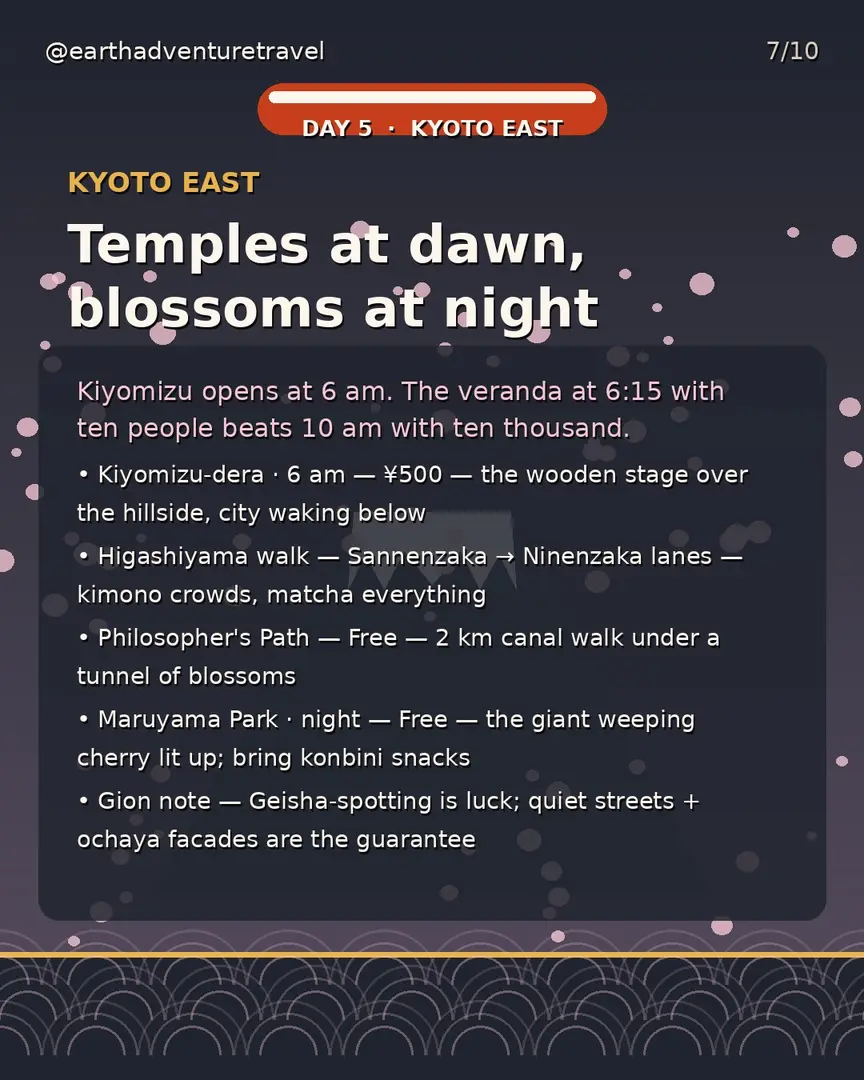
Day 5 itinerary card: Kiyomizu-dera and Kyoto temples
Share the day.

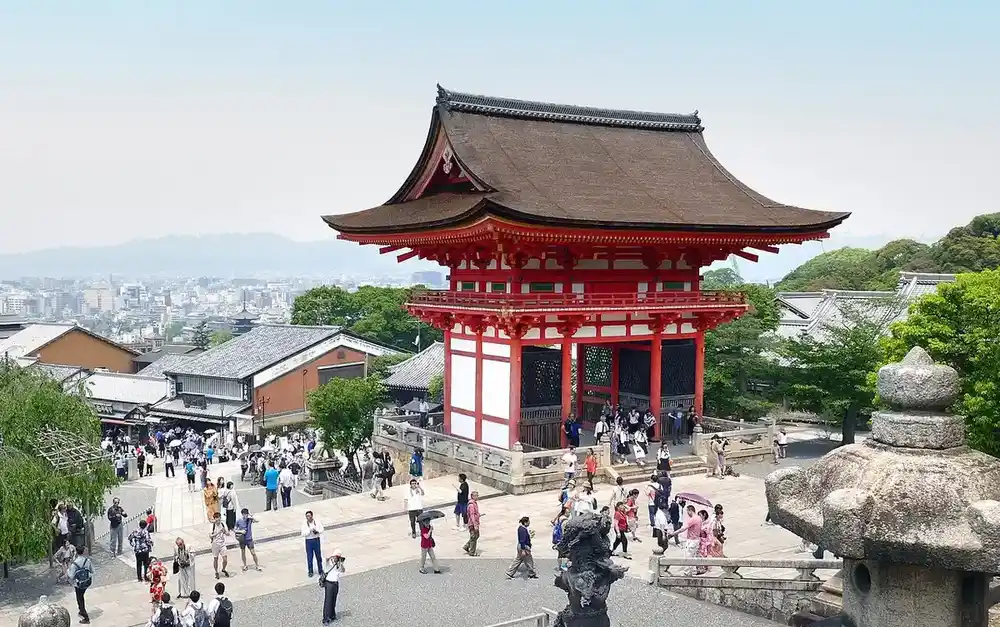
Set the trip's most important alarm. Kiyomizu-dera opens at 6 a.m., admission is ¥500 (~$3), and the wooden stage jutting over the hillside — framed in cherry blossoms at peak week — is the single most famous view in Kyoto. Arrive at opening and you'll share it with a handful of photographers; arrive at 10 and you'll share it with a thousand people. Walk down through the preserved lanes of Ninenzaka and Sannenzaka as the shops open, then on to Kodai-ji and Yasaka Shrine.

Afternoon: the Philosopher's Path, a two-kilometer canal walk lined with hundreds of cherry trees — at full bloom it's a pink tunnel, and the side temples (Honen-in, Eikan-do) are quiet escapes when the path crowds. End at Maruyama Park, where the giant weeping cherry is lit up at night (yozakura) and families spread tarps for evening hanami. Bring snacks from a convenience store and stay for the lantern light.

The plan

  • Dawn: Kiyomizu-dera at 6 a.m. opening (¥500); Ninenzaka and Sannenzaka lanes after.
  • Morning: Kodai-ji temple gardens; Yasaka Shrine (free).
  • Afternoon: Philosopher's Path canal walk; side temples for quiet.
  • Evening: Maruyama Park yozakura — night-lit blossoms and hanami picnics.

Where to stay

  • Same Kyoto base — Higashiyama locations put you closest to the dawn start.
  • Park Hyatt Kyoto — splurge option in the heart of the historic lanes.
  • Daiwa Roynet Hotel Kyoto Ekimae — solid mid-range pick by the station.
Day 5 → Day 6: West to Arashiyama at opening, then south to Nara, then on to Osaka by nightfall.

Kiyomizu's stage faces east — morning light is the best light. This is the one morning worth waking the kids for.

The Nio-mon gate at Kiyomizu-dera temple
The Nio-mon gate at Kiyomizu-dera. Photo: Kimon Berlin / Wikimedia Commons (public domain)
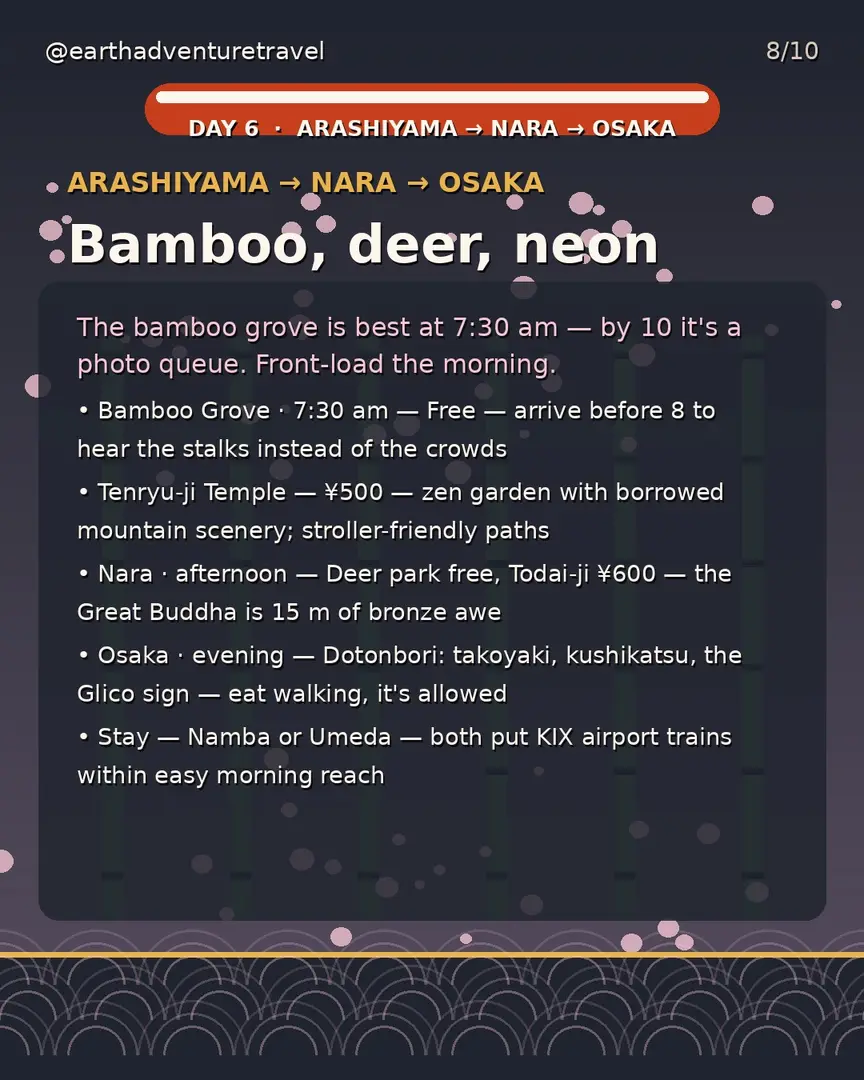
Day 6 itinerary card: Arashiyama, Nara, and Osaka
Share the day.

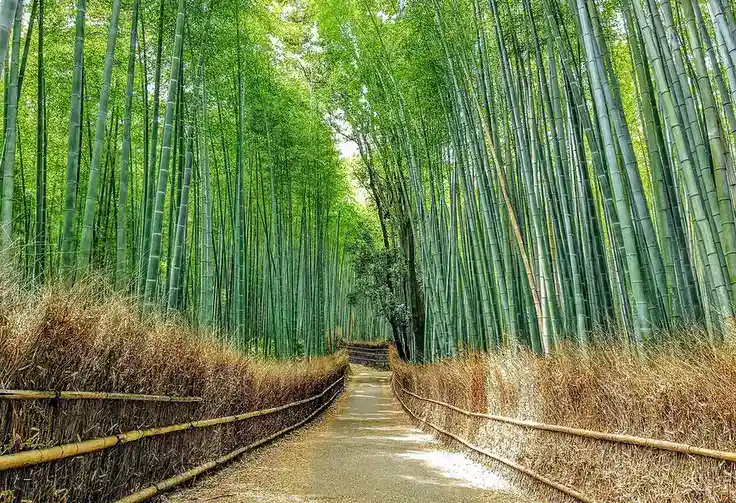
One more early start, then the pace eases. Arashiyama's bamboo grove is a ten-minute walk that takes an hour at midday — go at 7 a.m. and you'll have the towering stalks nearly to yourself. Pair it with Tenryu-ji's garden (¥500) and the blossom-framed Togetsukyo Bridge before the crowds arrive.

Midday: ride to Nara (45 minutes from Kyoto). Todai-ji's Great Buddha Hall (¥600, ~$4) houses one of the world's largest bronze Buddhas, and the surrounding park is full of free-roaming deer that bow for crackers (¥200 a pack). Kids consistently rank this the trip's best day. Late afternoon, take the train to Osaka and end in Dotonbori — takoyaki, kushikatsu, the Glico running-man sign, and neon reflected in the canal.

The plan

  • Early: Arashiyama bamboo grove at 7 a.m.; Tenryu-ji garden (¥500).
  • Midday: train to Nara; Todai-ji Great Buddha (¥600); deer crackers in the park.
  • Afternoon: train Nara → Osaka (~40 min); check in near Namba or Umeda.
  • Evening: Dotonbori street food crawl — takoyaki, kushikatsu, melon pan ice cream.

Where to stay

  • Swissotel Nankai Osaka — above Nankai Namba Station; direct airport train tomorrow.
  • Hotel Gracery Osaka Namba — family rooms steps from Dotonbori.
  • Mimaru Osaka Namba North — apartment-style, kitchenettes, laundry.
Day 6 → Day 7: Osaka Castle in the morning, market grazing at lunch, KIX by afternoon.

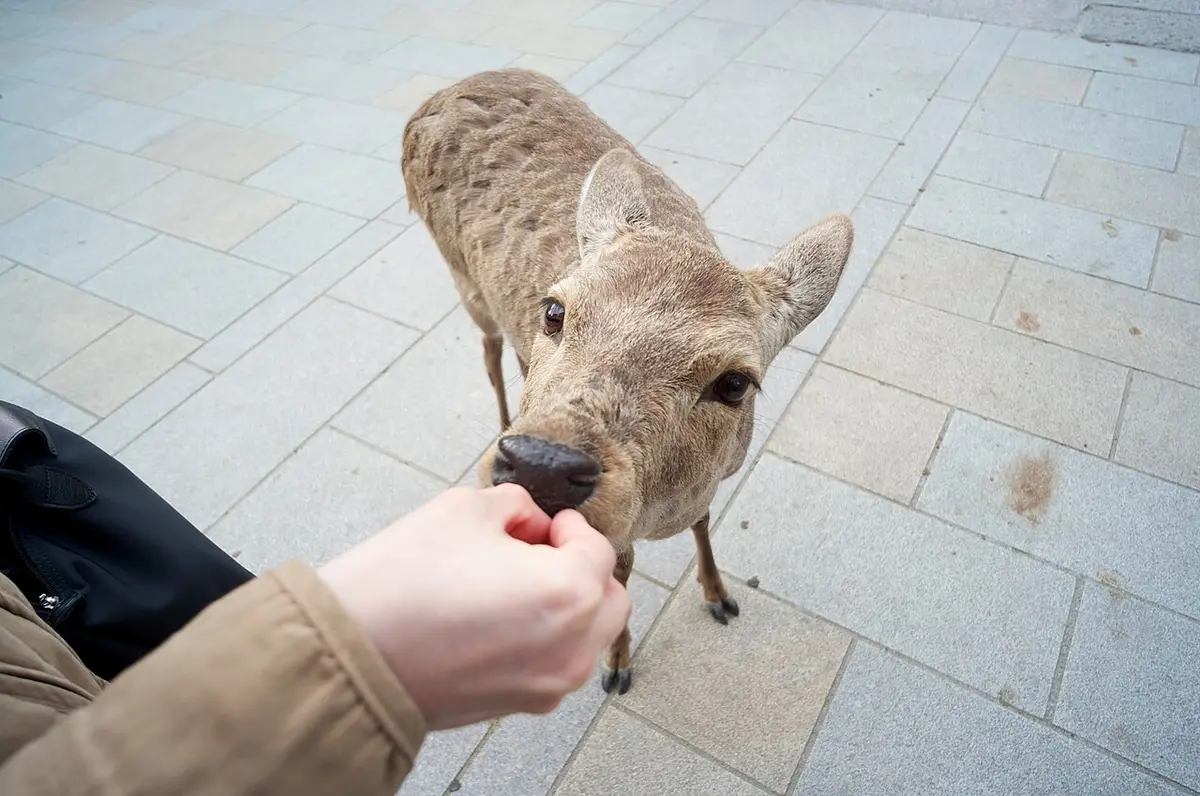
Nara deer bow for crackers — show them the cracker, and they dip their heads. Buy crackers only from official stalls; human food makes them sick.

The bamboo grove of Arashiyama in Kyoto
The bamboo grove at Arashiyama. Photo: Miya.m / Wikimedia Commons (public domain)
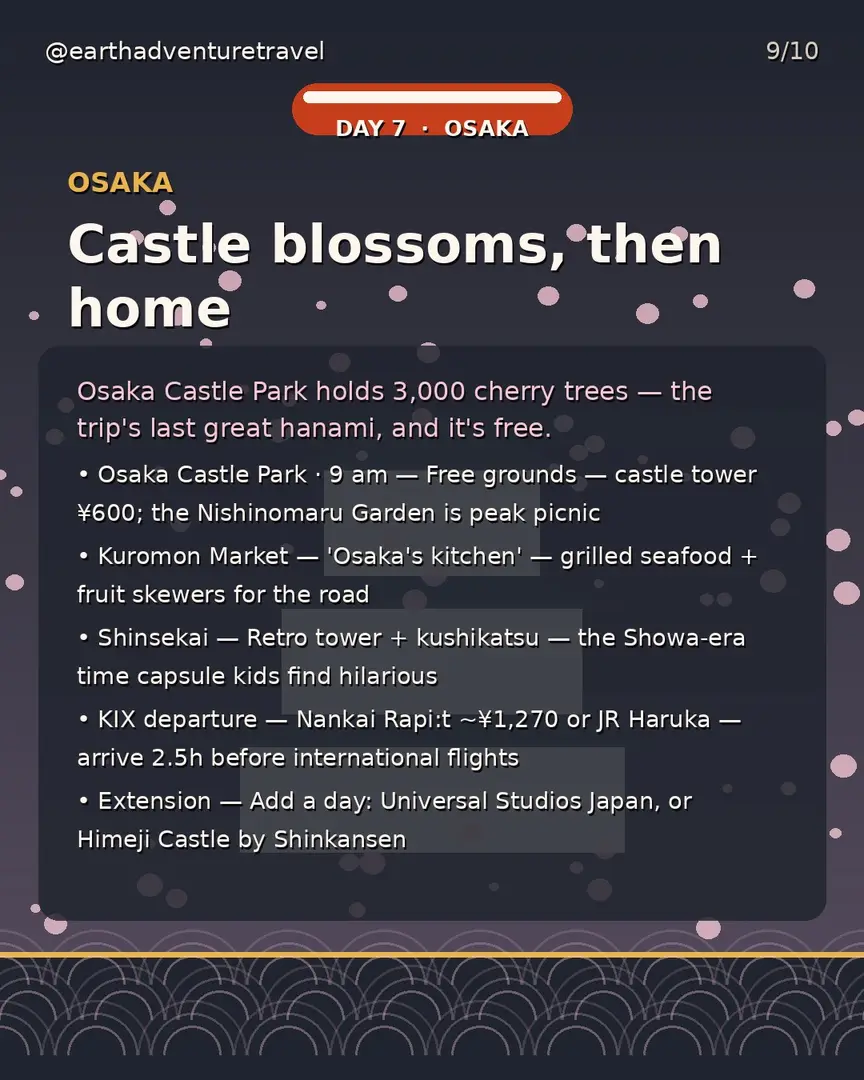
Day 7 itinerary card: Osaka Castle and departure
Share the day.

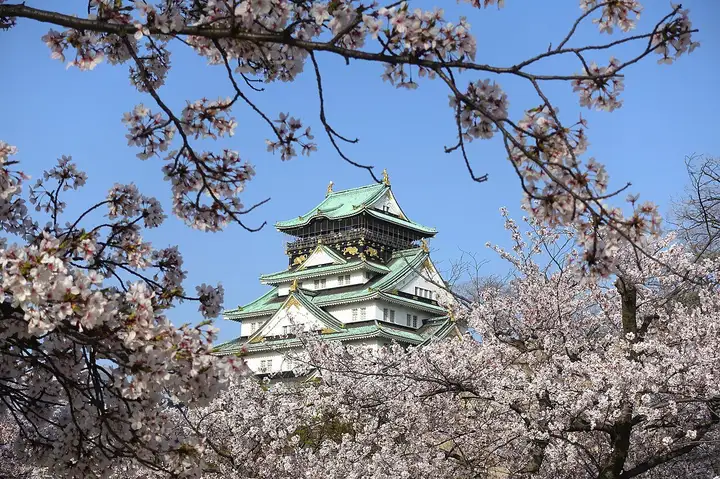
Last morning, biggest castle. Osaka Castle Park holds some 3,000 cherry trees around one of Japan's most recognizable keeps — arrive at opening (9 a.m.) and walk the blossom-lined moat before the hanami parties claim the lawns. The castle museum inside (¥600, ~$4) is worth it for the city views from the top floor alone.

Lunch is a graze through Kuromon Ichiba Market — "Osaka's kitchen" — where stalls grill scallops, sea urchin, and wagyu skewers to order. Then Shinsekai for retro arcades and the Tsutenkaku Tower view, or the Osaka Aquarium Kaiyukan if the kids need one more big attraction (¥2,700 adult, ~$17). Ride the Nankai Rapi:t or JR Haruka to Kansai Airport (45–60 minutes) for an evening departure — or add an eighth day and sleep in Osaka.

The plan

  • Morning: Osaka Castle Park at 9 a.m. opening; castle keep museum (¥600).
  • Midday: Kuromon Market grazing lunch; Shinsekai arcades or Kaiyukan aquarium (¥2,700).
  • Afternoon: Nankai Rapi:t or JR Haruka to KIX (45–60 min, ~¥1,000–1,500).
  • Evening: depart KIX — or stay one more night and do Day 8 in Kobe or Himeji.

Where to stay

  • Flying out tonight? No hotel needed — coin lockers at Namba or Osaka Station hold bags (~¥700).
  • Staying over: Hotel Nikko Osaka — above Shinsaibashi Station, airport-limo bus at the door.
  • Cross Hotel Osaka — Dotonbori views, easy Rapi:t access from Namba.
Day 7 → home: KIX tax-free shopping is genuinely good — stock up on Kit Kats, Royce chocolate, and tenugui towels.

Day 8 option: Himeji Castle — Japan's finest original keep — is 30 minutes by Shinkansen and spectacular in blossom season.

Osaka Castle rising above cherry blossoms
Osaka Castle above the blossoms. Photo: Ajashi / Wikimedia Commons (CC BY-SA 3.0)
Japan cherry-blossom route map: Tokyo (days 1–3), Shinkansen to Kyoto (days 4–5), Nara and Osaka (days 6–7)
Save the route.

The people behind the plans

Who is Earth Adventure Travel?

We build routes for real life — wrangling kids, spanning generations, or heading out solo — and check every detail against official sources so the plan holds up when you get there.

Learn About Us

Plan & pack

Rough budget · family of 4

$3,800 – $6,200

7 days / 6 nights · lodging, food, trains, attractions · international flights excluded · ¥159 ≈ $1 (Oct 5, 2026)

  • Lodging — $1,500–2,100: $250–350/night for two rooms or a family apartment in sakura season.
  • Food — $900–1,400: convenience-store breakfasts, ramen and market lunches, one nice dinner per city.
  • Trains & transit — $350–500: Nozomi to Kyoto (~$90/adult), IC-card city travel, airport trains.
  • Attractions — $150–250: teamLab, castles, gardens; most temples and shrines are free or under $5.

Pack for the trip

  • Light packable down jacket — late March runs 45–60°F; temple dawns are the coldest hours.
  • Broken-in walking shoes — 15,000+ steps a day on stone lanes and gravel shrine paths.
  • Small daypack — for layers, snacks, and the Suica-card lanyard you'll live on.
  • Shorts or roll-up pants — teamLab Planets' water rooms go knee-deep; lockers are provided.
  • Portable charger — maps, translation, and train apps drain phones by mid-afternoon.
  • Compact folding stroller — stations have elevators, but rush-hour trains don't forgive bulk.
  • Cash in small bills — ¥10,000–20,000/day; temples, markets, and ramen counters are cash-only.
  • eSIM installed before departure — from ~$4.50/week; or one pocket wifi for the whole family's devices.
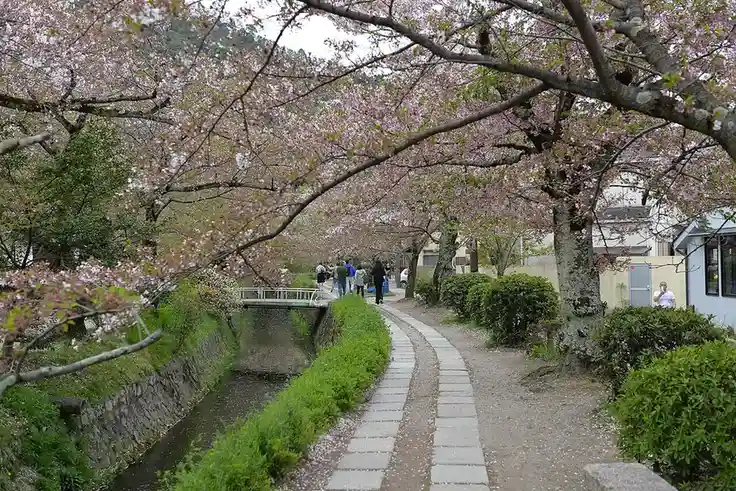
Cherry blossoms along the Philosopher's Path canal in Kyoto
Pack layers for the Philosopher's Path — canal-side shade runs cool even at midday. Photo: 663highland / Wikimedia Commons (CC BY-SA 3.0)
A deer being fed crackers in Nara Park
Daypack essential: hand wipes and small bills for deer crackers (¥200) in Nara. Photo: Wei-Te Wong / Wikimedia Commons (CC BY-SA 2.0)

Eat like a local

Japan rewards the hungry generalist. Breakfast like a local at a convenience store (onigiri, egg sando, canned coffee — all excellent). Lunch is ramen, udon, or a department-store basement (depachika) bento. Dinner: one splurge per city — sushi in Tokyo, kaiseki or yudofu in Kyoto, kushikatsu in Osaka. Kids' menus are rare; instead, order an extra small dish — restaurants are unfailingly accommodating.

Day trips & swaps

Got an eighth day? Himeji Castle (30 min by Shinkansen from Osaka) is Japan's finest original keep and spectacular in blossom season. Rainy day in Tokyo? The National Museum in Ueno or the Ghibli Museum in Mitaka (book the 10th of the prior month). DisneySea fans: swap Day 3's afternoon rest for the park — tickets drop two months out at 2 p.m. JST and spring dates sell out fast.

Planning notes

When is cherry blossom season in Japan in 2027?

For Tokyo, Kyoto, and Osaka, aim for March 28 to April 5. That's the 2027 forecast window for full bloom; first blooms open about a week earlier. The official Japan Meteorological Corporation forecast publishes around December 2026 — reconfirm before locking non-refundable plans, since a warm March can shift everything by several days.

Peak bloom lasts roughly a week, and rain or wind can strip petals fast — build your must-see blossom days early in the trip, not at the end.

Is the JR Pass worth it for Tokyo, Kyoto, and Osaka?

No — skip the nationwide pass for this route. The 7-day ordinary JR Pass costs ¥50,000 (about $315), but Tokyo to Kyoto to Osaka with local trains totals roughly ¥35,000 per adult. The math doesn't close.

Instead: buy the Nozomi Shinkansen on SmartEX (Tokyo → Kyoto, ¥14,170 reserved, 2h 15m — note the Nozomi needs a ¥4,960 supplement even with a pass), and use a Welcome Suica IC card for subways, buses, and local trains. A regional Kansai pass can help if you add day trips, but isn't needed for this itinerary.

Is Japan good for kids?

Excellent — Japan is built for it. Trains run on time, stations have elevators, department-store restaurants welcome families, and kids get genuine delight everywhere: teamLab's water rooms, Nara's bowing deer, Dotonbori's street food.

Bring a compact folding stroller (coin lockers at stations hold bags and gear, ~¥700), avoid rush-hour trains (7:30–9:30 a.m.), and know that most attractions discount or waive admission for young children.

Should you fly into Haneda or Narita?

Haneda, if the fare is close. The Tokyo Monorail reaches the city in about 20 minutes for ~¥500. Narita Express takes a full hour and costs ~¥3,000 — fine, but draining after a long-haul flight with kids and jet lag.

Both airports sell Welcome Suica IC cards on arrival (no deposit, 28-day validity). If Narita is significantly cheaper, take the savings — the train ride is comfortable either way.

How far ahead should you book hotels for cherry blossom season?

Three to six months ahead — by January for a late-March trip. Sakura season is Japan's peak domestic travel period; well-located hotels in Tokyo, Kyoto, and Osaka sell out, and remaining rates run 20–40% over off-peak.

Kyoto sells out first and hardest — lock Kyoto before Tokyo. Apartment-style hotels (Mimaru and similar) with kitchenettes and laundry are worth the premium for families.

Cash or card in Japan?

Both. Cards work at hotels, department stores, and most restaurants — but temples, shrines, ramen counters, market stalls, and smaller shops are cash-only.

Carry ¥10,000–20,000 per day in small bills. 7-Eleven ATMs accept foreign cards around the clock and are everywhere; your IC card (Suica) also covers vending machines, convenience stores, and station lockers.

How do you stay connected — eSIM or pocket wifi?

An eSIM (from ~$4.50 for the week) is simplest for one or two phones — install it before departure and land connected. Families with four or five devices do better with one pocket wifi router (~¥500–1,000/day) that everyone shares.

Either way, download offline maps before you fly — you'll use them constantly, especially in Kyoto's temple districts where signals get spotty.

How far ahead do teamLab Planets and DisneySea tickets sell out?

teamLab Planets: book 2–4 weeks ahead (¥3,800 adult, ¥1,500 child 4–12). Tokyo DisneySea: tickets drop exactly 2 months ahead at 2:00 p.m. JST and cost ¥7,900–12,400 per adult by date — spring dates sell out the same week they release.

Shibuya Sky is the same two-week-ahead game (tickets release at midnight JST). Put all three booking dates in your calendar before you fly.

What should you pack for Japan in late March?

Late March runs 45–60°F and changeable. Pack a light packable down jacket, broken-in walking shoes (15,000+ steps a day on stone lanes), a small daypack, and layers for cold temple mornings.

Add shorts or roll-up pants for teamLab Planets' knee-deep water rooms, a portable charger (maps and translation drain phones by mid-afternoon), and a compact folding stroller if you're traveling with small kids.

How much does a week in Japan cost for a family of 4?

Roughly $3,800–$6,200 for 7 days and 6 nights, excluding international flights. Sakura-season hotels run $250–350/night, food $130–200/day for four, the Tokyo–Kyoto Shinkansen about $90 per adult, and most temples and shrines are free or under $5.

The biggest savings lever is hotels: book by January, and consider apartment-style rooms where breakfast comes from a convenience store instead of a restaurant.

Before you lock the trip

Sources & official links

Prices converted at ¥159 ≈ $1 (October 5, 2026). Confirm fares, hours, and bloom forecasts before you travel.

The trip index

Choose the landscape. Then choose the pace.

Every itinerary gives you a realistic route, daily rhythm, planning notes, and the details that make a family trip work.

Use the filters above to see the routes that match.

No exact match—yet.

Clear a filter to see the closest routes already in the library.