

Going SoloSoloIreland

Four days · Dublin, Ireland

Four days in Dublin solo — 2026


Medieval streets, the Book of Kells, a proper pint at the Guinness Storehouse, and sea cliffs at Howth — four days in Dublin built for solo travelers who want history, pub culture, and coastal air.

Cities & Urban WeekendsHistoric & Cultural RoutesInternational

4 days / 3 nights May–Sep · best weather Solo pace · walkable Estimate: $1,600–$2,400 solo
Cover graphic for a four-day Dublin solo getaway
Original itinerary artwork
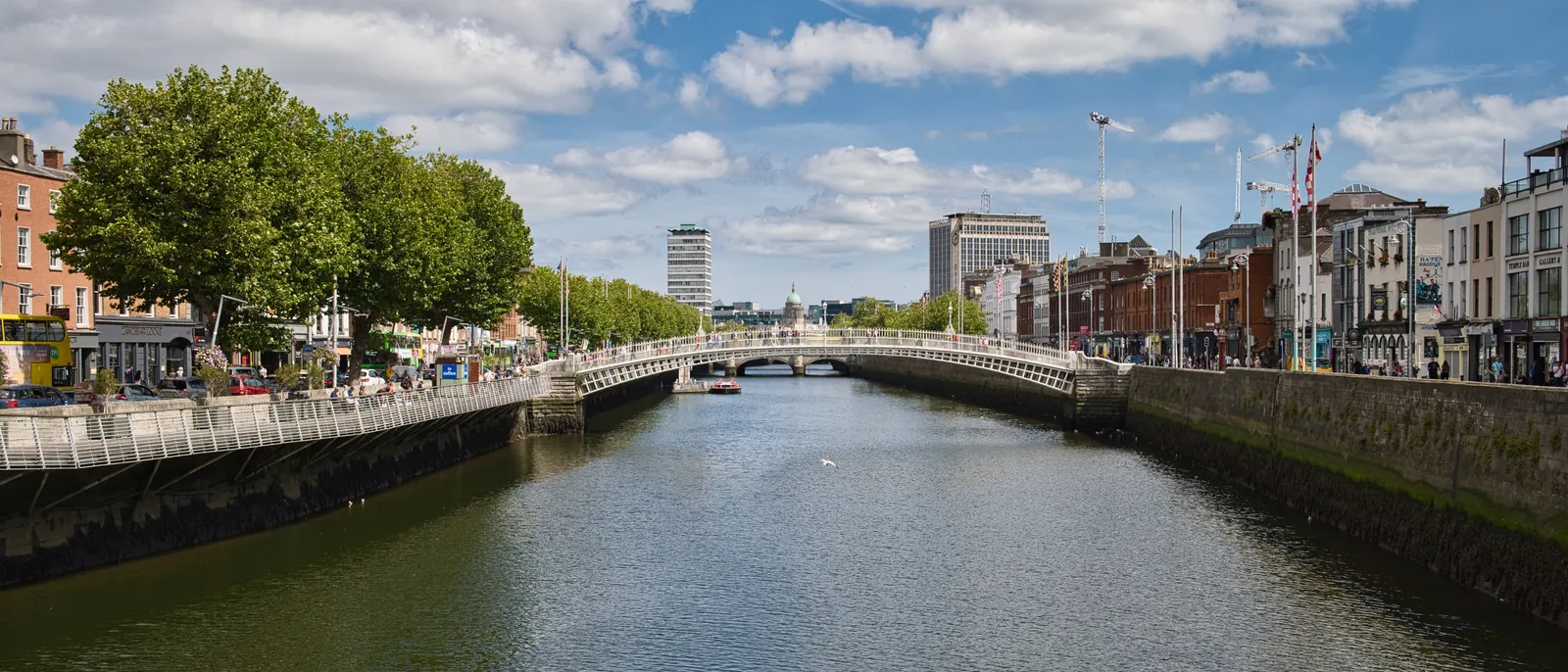
The Ha'penny Bridge over the River Liffey, seen from the Millennium Bridge on a sunny afternoon
River Liffey · the Ha'penny Bridge (1816) seen from the Millennium Bridge on a summer afternoon

The trip in 60 seconds

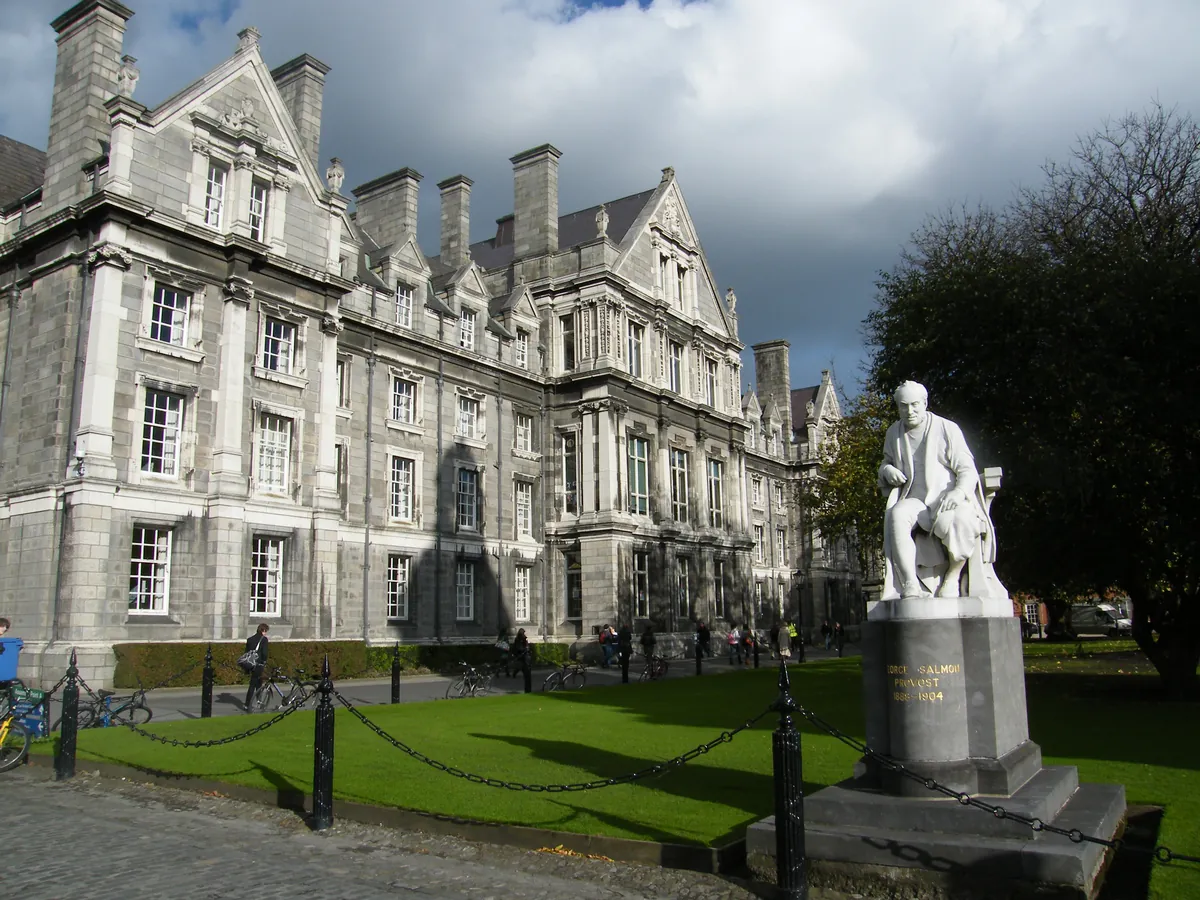
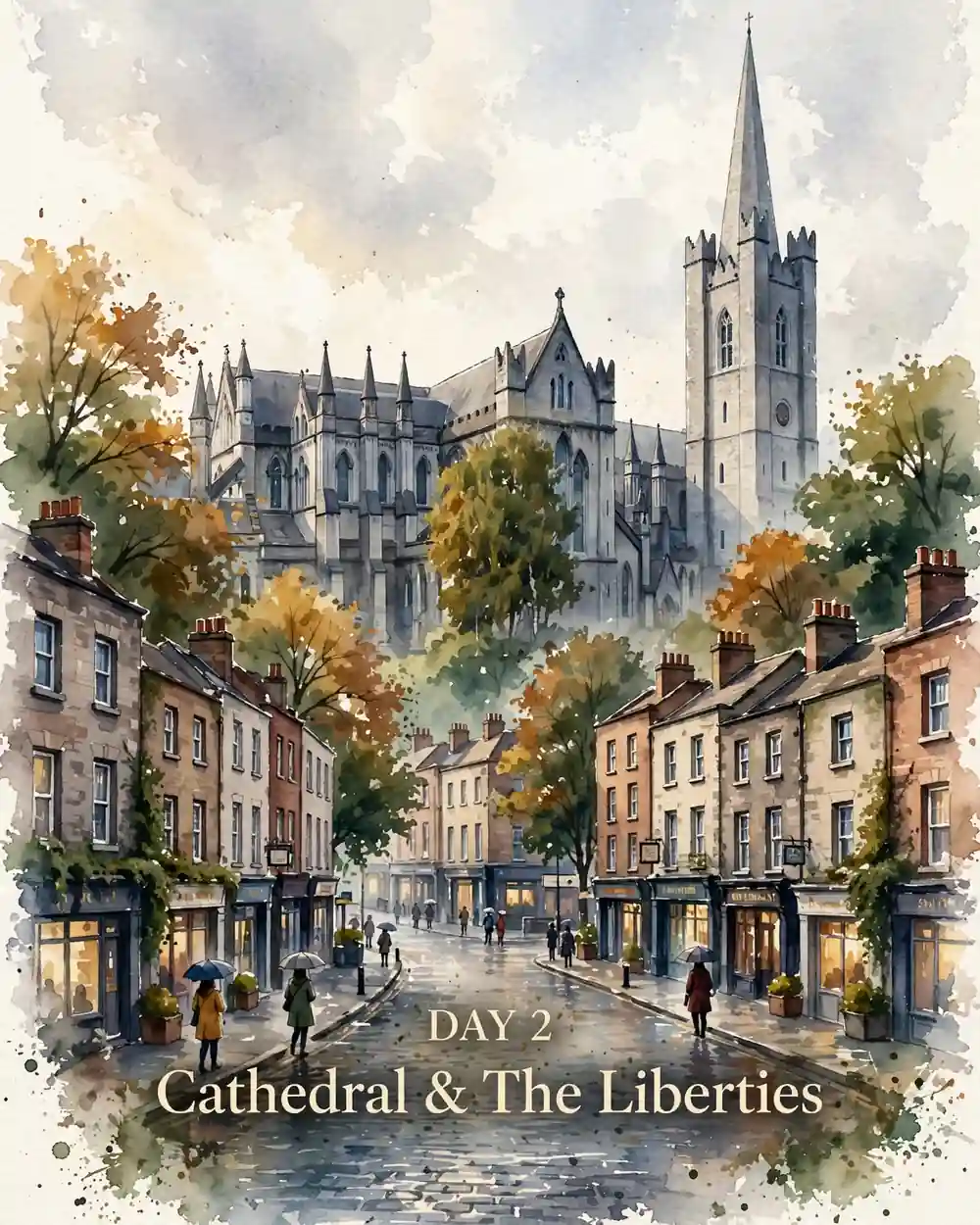
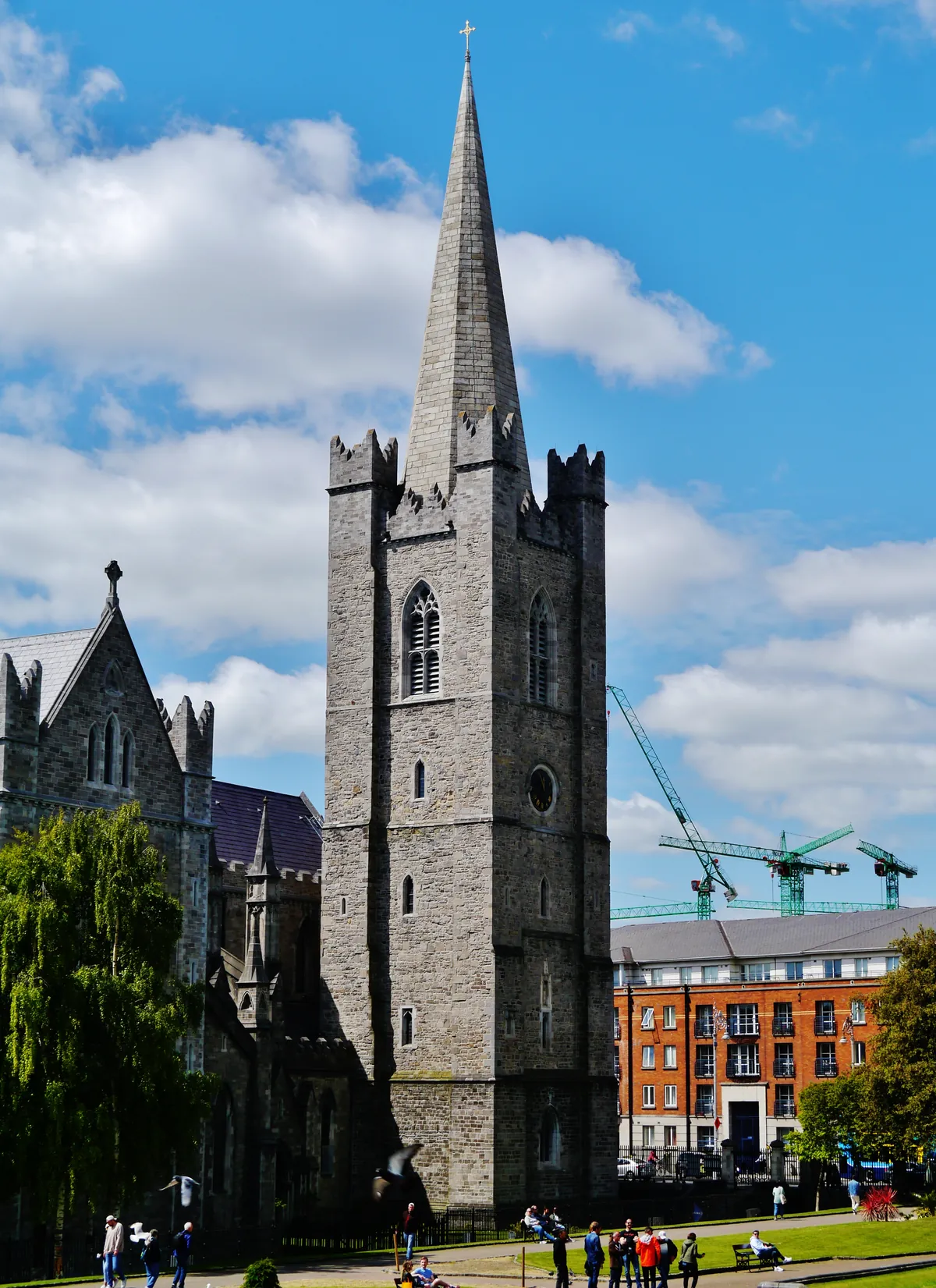
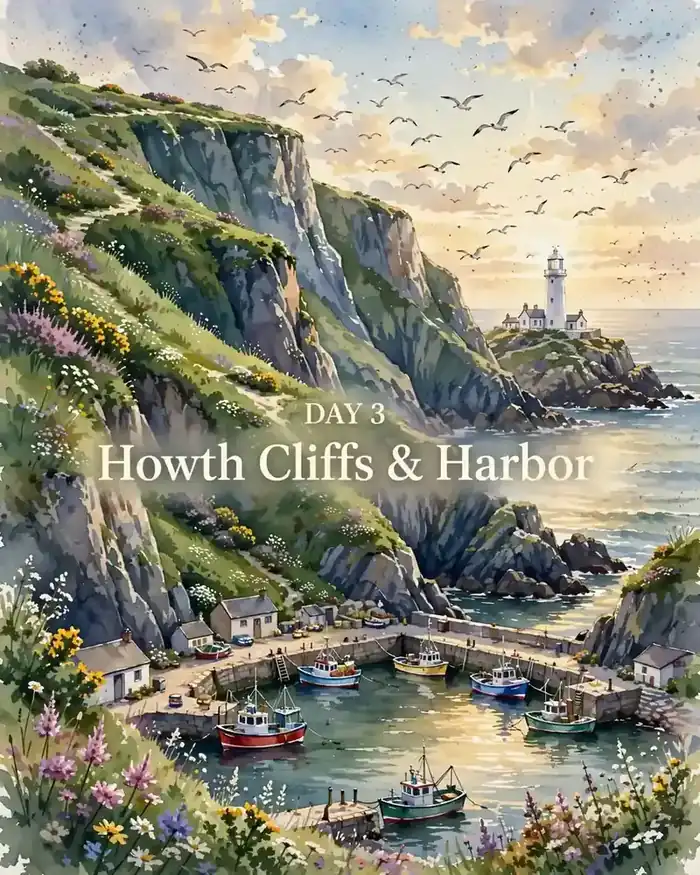
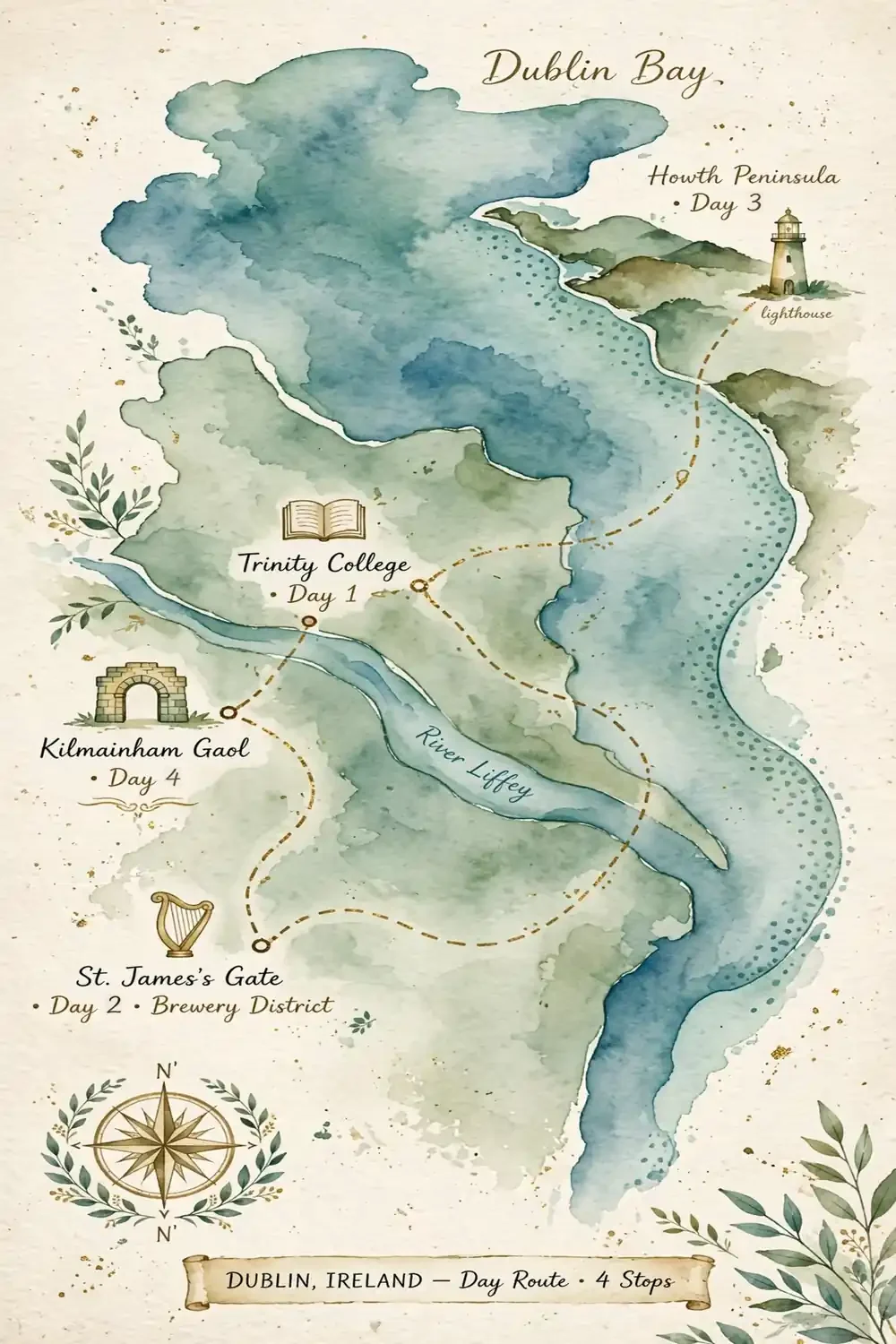
Illustrated route map of four days in Dublin: Day 1 Trinity College, Day 2 Guinness Storehouse at St James's Gate and the Liberties, Day 3 Howth, Day 4 Kilmainham
Dublin · saveable route map: Day 1 Trinity, Day 2 St James's Gate, Day 3 Howth, Day 4 Kilmainham

The idea

Old streets, good stout, and time on your own terms.

Dublin is one of Europe's best solo cities — compact, walkable, and built around pubs where a single traveler with a book is the most natural thing in the world. The history runs deep, from Viking walls to the 1916 Rising, and the pub is the great social equalizer: you'll talk to more people in four days here than in two weeks anywhere else. This itinerary is built for one person who likes to walk, read plaques, and end the day with a pint and live music.

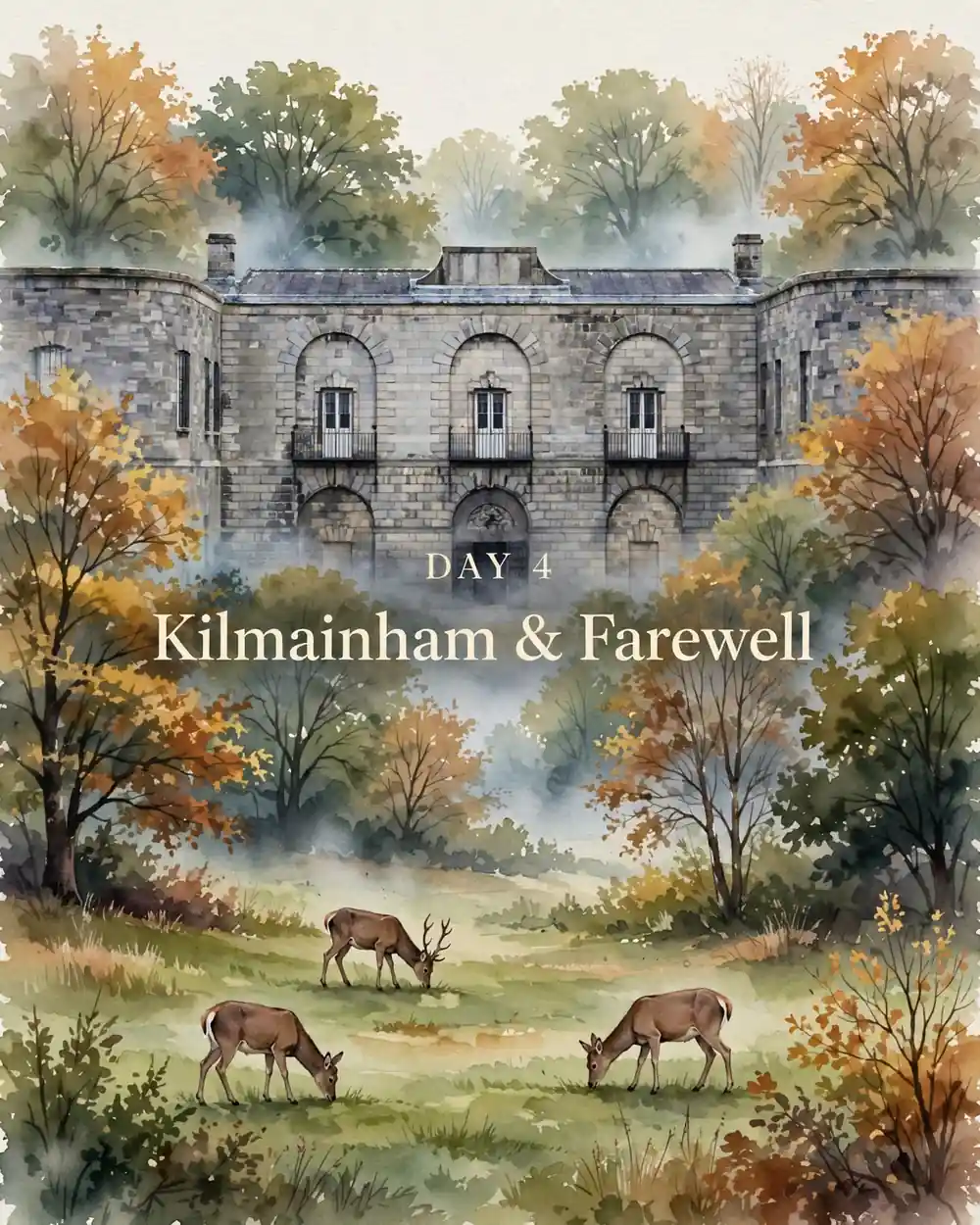
The route stays close: a walkable medieval core, one day in the Liberties for Guinness and whiskey, a DART ride to Howth for sea cliffs, and a final morning at Kilmainham Gaol. Nothing needs a car. The best months are May through September — long evenings, mild weather, and the city's festival energy. April and October are quieter, cheaper, and still lovely if you pack a rain layer.

Book central lodging first — Temple Bar and Trinity-area guesthouses fill on summer weekends. The Guinness Storehouse is the one timed ticket worth booking ahead. Everything else can flex around those two anchors.

Day-by-day summary

The route

Four days, built for one.

Each day has one anchor — the old city, the stout, the cliffs, the history. Everything else is optional. Walk when you want, linger when you want, and let the city set the pace.

“Dublin doesn’t ask who you're with. It just hands you a pint and a story.”

The people behind the plans

Who is Earth Adventure Travel?

We build routes for real life — wrangling kids, spanning generations, or heading out solo — and check every detail against official sources so the plan holds up when you get there.

Learn About Us

Before you go

Pack for rain. Book the Storehouse early.

What earns space

  • Waterproof rain jacket — Dublin rain is a when, not an if, in any month
  • Comfortable walking shoes with grip — you'll do 4–6 miles a day on wet cobbles
  • Layers, not bulk — a fleece under the rain shell handles 90% of Dublin weather
  • Small daypack — for the Howth walk (water, snacks, rain layer)
  • One smart-casual outfit — Dublin pubs are relaxed, but dinner spots appreciate effort
  • Power adapter — Ireland uses UK-style 3-pin plugs (Type G)
  • Reusable water bottle — Dublin tap water is excellent
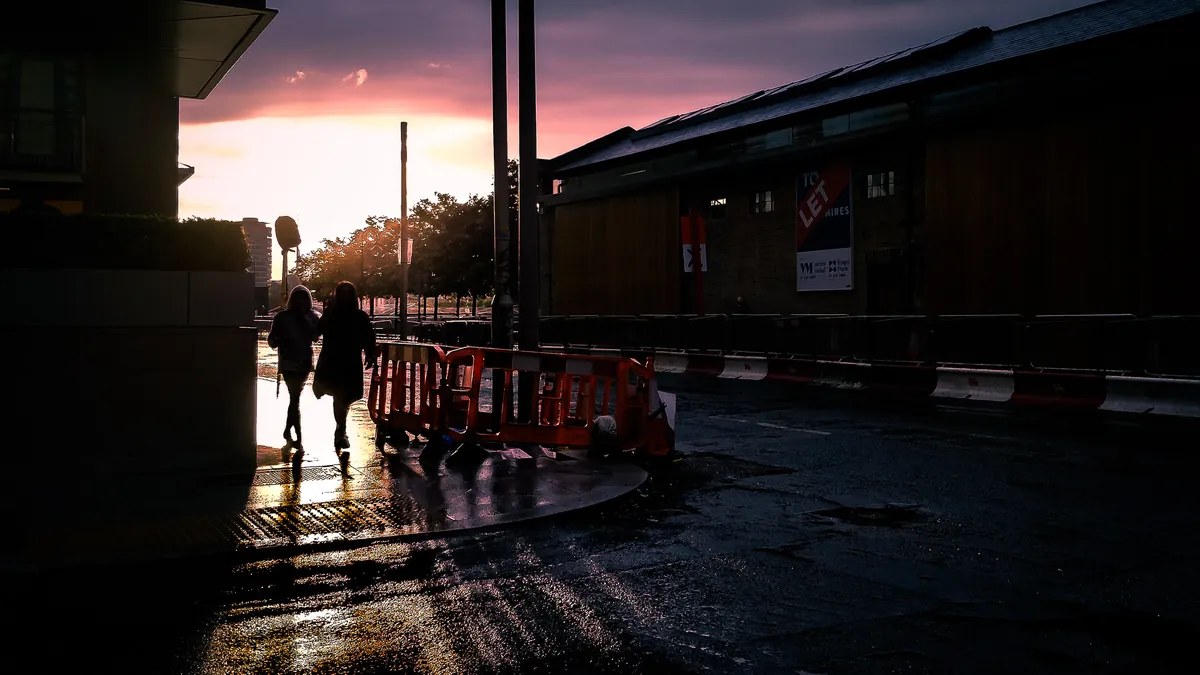
Two people walking along a rain-soaked Dublin street at sunset
Rain jacket. Dublin · a street still wet from the rain, photographed at sunset in July 2017
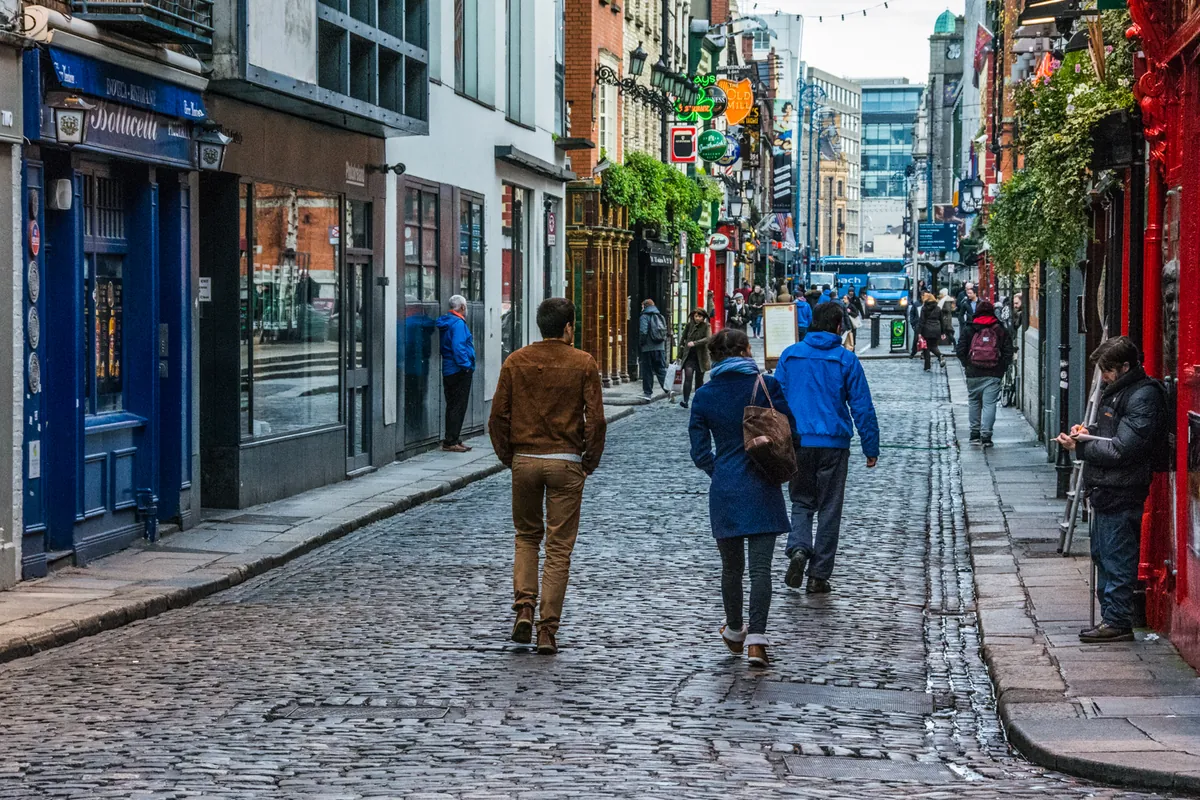
Pedestrians on the cobbled streets of Temple Bar, Dublin
Grippy shoes. Temple Bar · the cobbled streets of Dublin's Temple Bar quarter, slick when wet
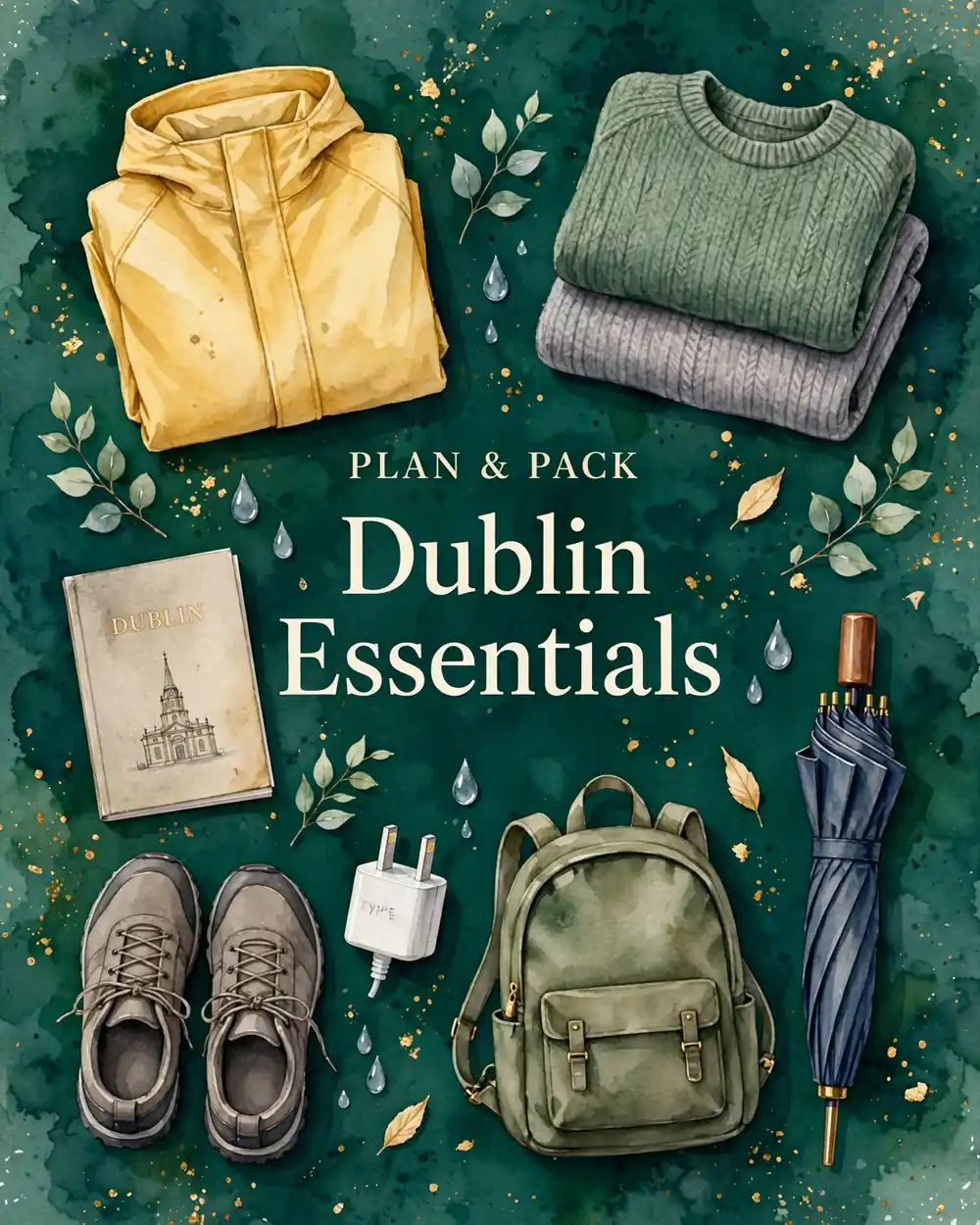
Saveable Dublin packing checklist graphic
Dublin essentials · saveable packing plan: rain jacket, knit layers, walking shoes, plug adapter, daypack

Eat and drink like a local

Dublin eats and drinks well. The non-negotiables: a full Irish breakfast (try the Woollen Mills), fish and chips at Octopussy's in Howth, a proper pint of Guinness (poured in two parts, always), and whiskey tasting at Teeling. The splurge: dinner at Chapter One (Michelin-starred, north of the river).

Saveable recap graphic for the Dublin solo route
Dublin in 4 days · saveable route recap: Trinity, the Liberties, Howth and Kilmainham at a glance

Solo traveler notes

Dublin is built for solo travelers — pub culture runs through the bar counter, walking tours leave from Trinity daily, and the DART to Howth is full of fellow wanderers. Book the Guinness Storehouse and Kilmainham Gaol ahead; everything else can flex around your mood.

Quick answers

Planning notes

Is Dublin safe for solo travelers?

Yes — Dublin is one of Europe's safest capitals for solo travel. The city centre is well-lit and busy into the night, public transport is reliable, and pub culture is inherently social. Standard city awareness applies: watch your phone on O'Connell Street late at night, and avoid the side streets north of the river after midnight.

Is 4 days enough for Dublin, or should we add a day?

Four days covers the essentials: the medieval core, Guinness and whiskey, the Howth coastal walk, and Kilmainham Gaol. A fifth day lets you add Newgrange (the 5,000-year-old passage tomb, an hour north) or the Wicklow Mountains — both worthwhile. Three days feels rushed; five is comfortable.

Do I need to book the Guinness Storehouse in advance?

Yes — book the timed ticket online (~€22). Walk-ins face long queues, especially on weekends. The 9:30am opening slot is quietest. The pour-your-own Guinness Academy experience (~€30 extra) is worth it if you care about the craft.

What's the best way to get from Dublin Airport to the city?

The Aircoach or Dublin Express buses (~€8, ~30 minutes) run 24/7 to the city centre. Taxis are a flat ~€30. There's no train or metro to the airport. If you're staying near Heuston (for Kilmainham day), the 747 bus is direct.

Is the Temple Bar area worth it, or just a tourist trap?

Both. Go once — the red-fronted Temple Bar pub with live trad is genuinely atmospheric before 7pm. Then walk two streets over to Fleet Street, Dame Court, and Merrion Row for the pubs locals actually drink in (Palace Bar, Stag's Head, O'Donoghue's). Temple Bar the area has great galleries and the food market; Temple Bar the pub is a photo op.

How rainy is it really? What should I pack?

Dublin gets ~150 rain days a year, but it's usually drizzle, not downpours. Pack a proper waterproof rain jacket (not just water-resistant) and wear it daily — locals do. Layers underneath handle the temperature swings. An umbrella is useless in Dublin wind; the rain jacket with a hood is the move.

Can I do Howth as a half-day trip?

Yes — DART out by 10am, walk the 6km cliff path (2 hours), lunch in the harbour, back by 3pm. That leaves your afternoon free. But the full day is more relaxed, and the Bloody Stream pub at the station deserves an unhurried pint after the walk.

Is Kilmainham Gaol worth it if I'm not into history?

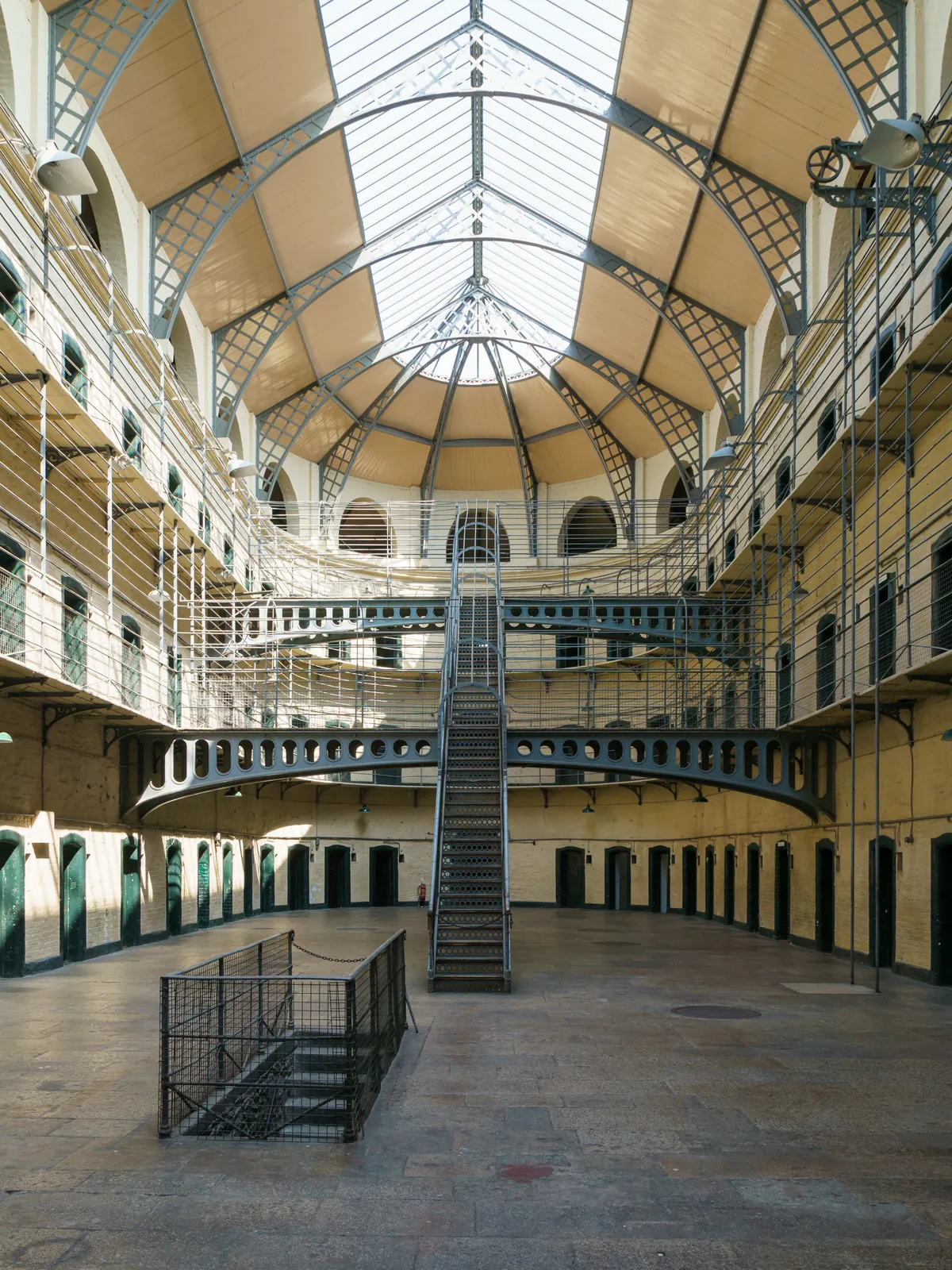
Yes — it's the single most powerful site in Dublin regardless of historical interest. The guides are exceptional storytellers, the architecture is haunting, and the 1916 story is told through personal lives, not dates. Book weeks ahead; it sells out.

What's the tipping culture in Dublin pubs and restaurants?

Pubs: no tip expected at the bar (round up if you like). Table service: 10% is standard. Restaurants: 10-12% for good service. Taxis: round up to the nearest euro. Tipping is appreciated but never obligatory the way it is in the US.

Should I rent a car for this itinerary?

No — everything on this route is walkable or on the DART/Luas. A car would be a liability (parking is expensive and scarce). If you add a fifth day for Newgrange or Wicklow, book a guided tour rather than driving; the rural roads are narrow and the tours handle logistics.

Before you fly — the official checks

The tickets, the transport, and the booking windows. Confirm current details on the official sites linked in official links.

References

Research behind this guide

The reporting and research that shaped this itinerary.

Photo credits

Photos via Wikimedia Commons, resized and converted to WebP. Illustrations are original itinerary artwork.

The trip index

Choose the landscape. Then choose the pace.

Every itinerary gives you a realistic route, daily rhythm, planning notes, and the details that make a family trip work.

Use the filters above to see matching itineraries.

No exact match—yet.

Clear a filter to see the closest routes already in the library.