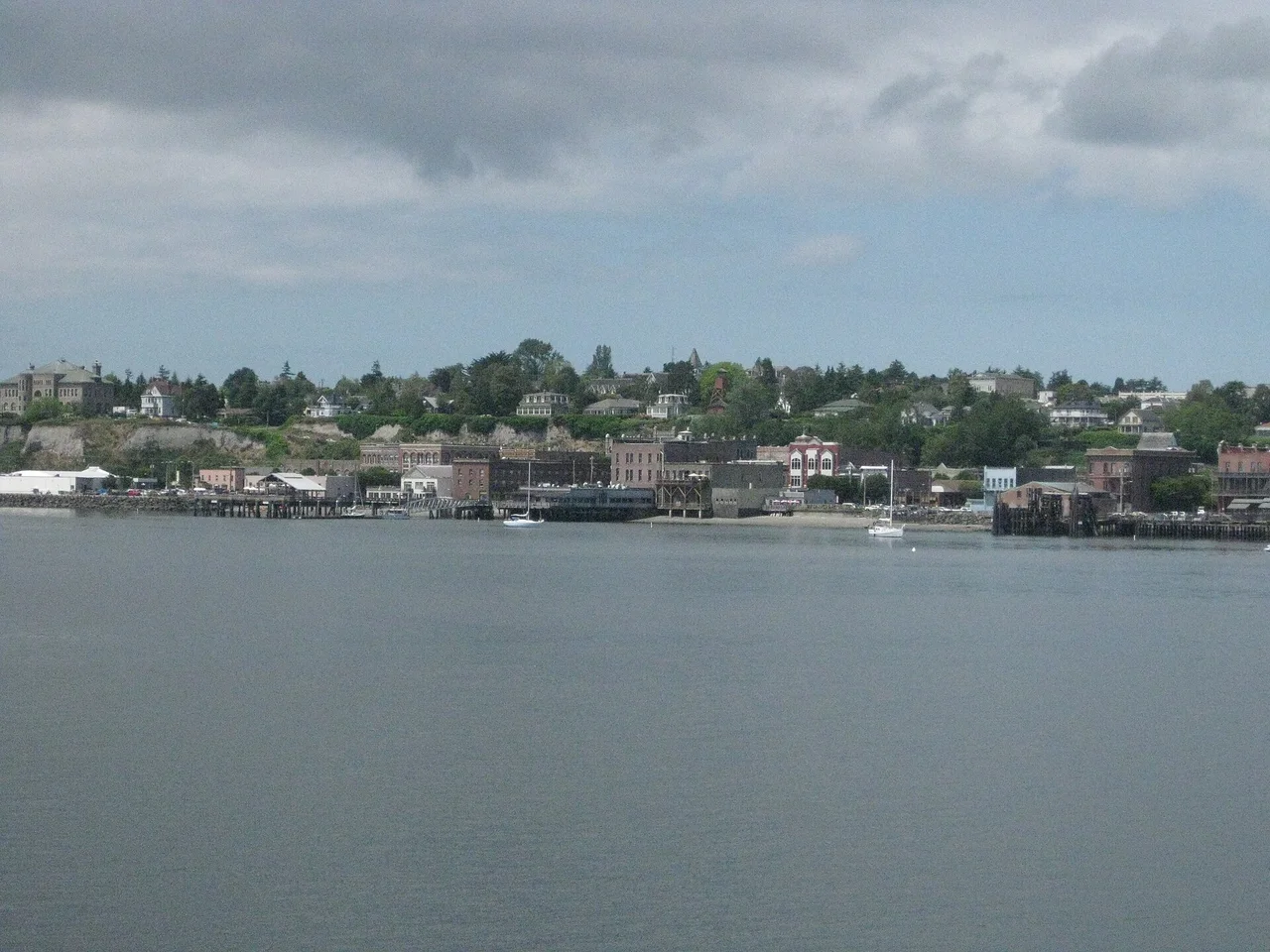
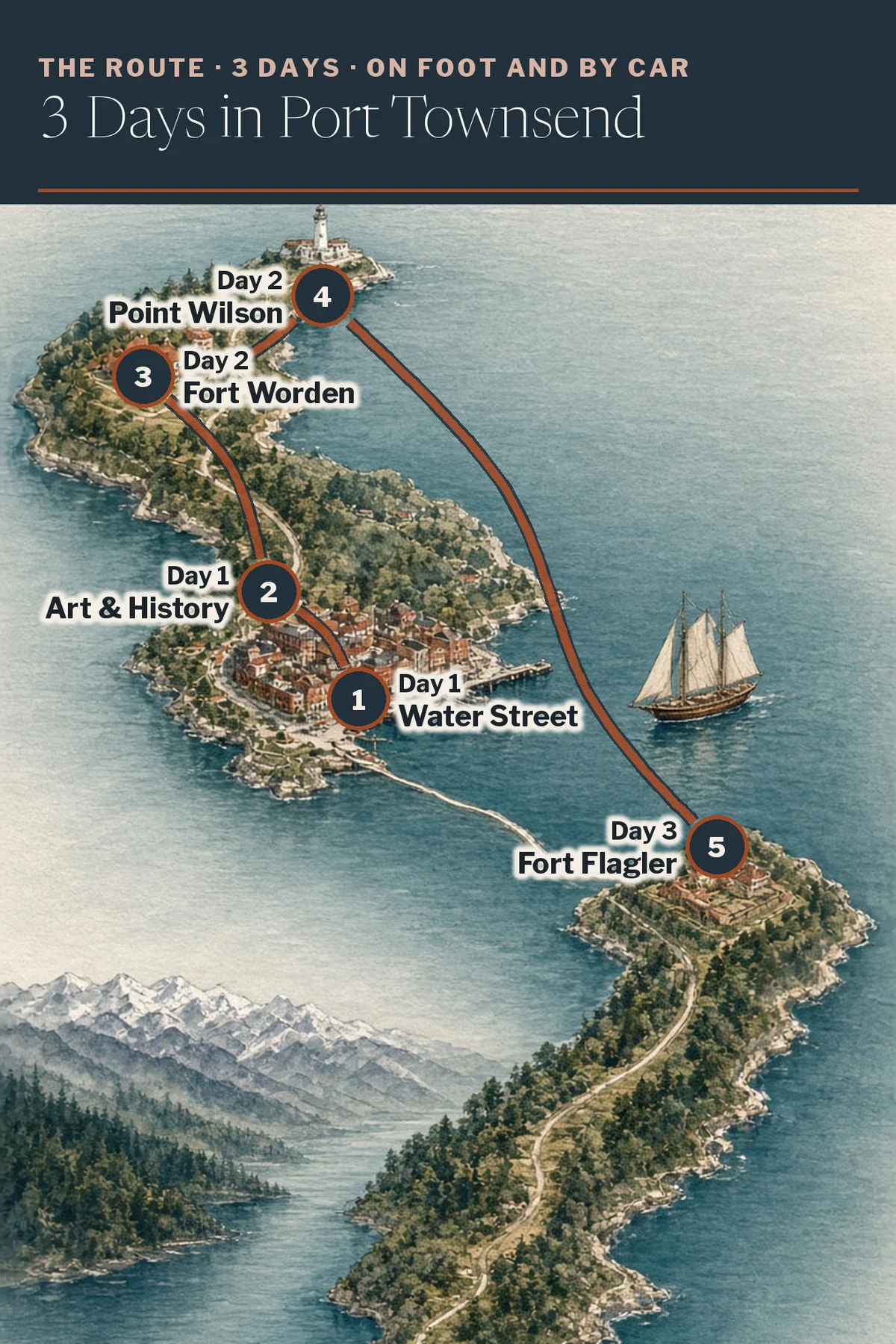
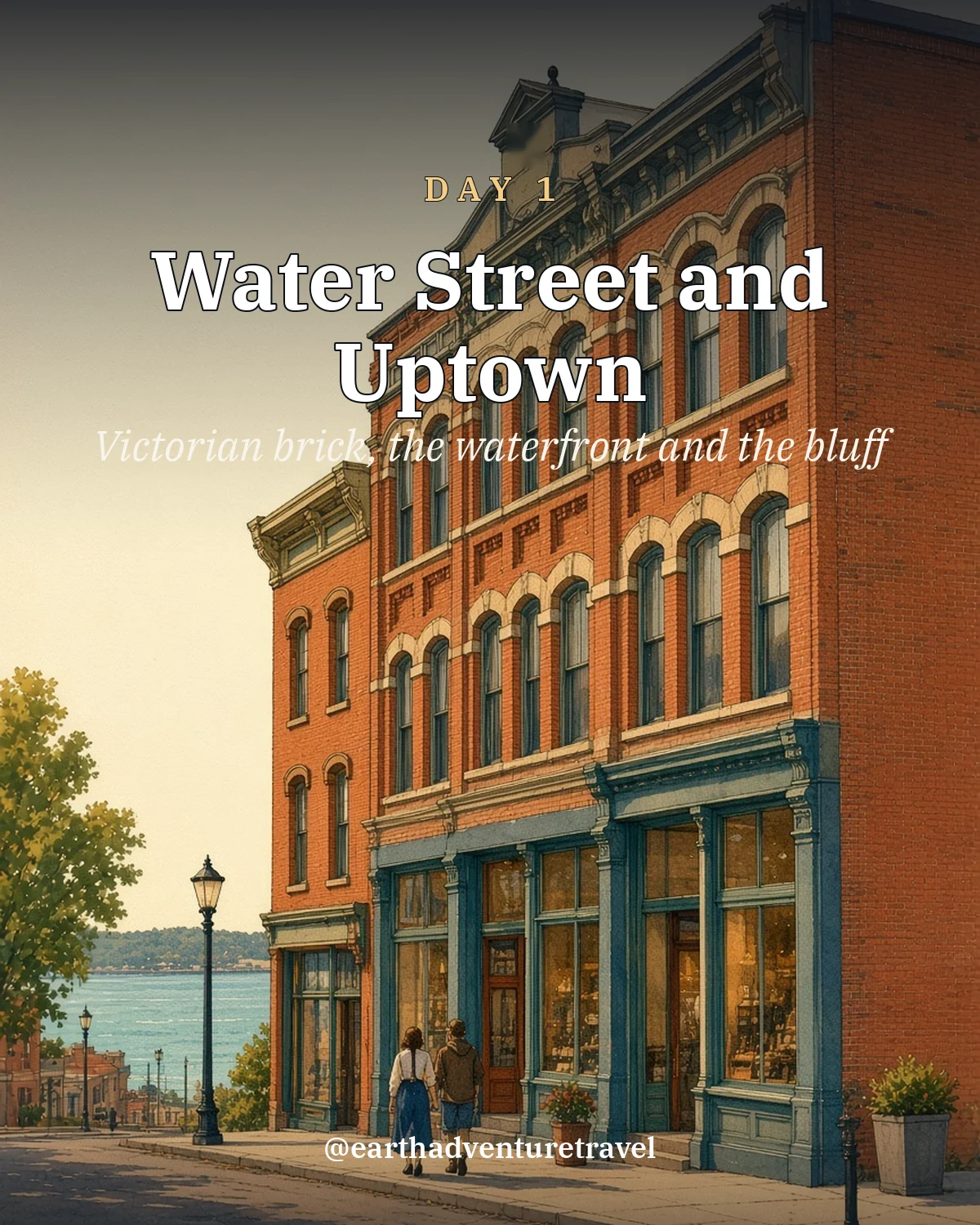
Port Townsend sits at the northeast tip of the Olympic Peninsula, where Puget Sound meets the Strait of Juan de Fuca. In the 1880s its builders expected it to become the great port of the Northwest, and the brick and stone buildings they put up downtown still line the waterfront. Park once and spend the first day on foot, along Water Street in the morning and up the bluff to Uptown in the afternoon.
Walk the Water Street historic district
Where to eat: Pick up coffee and a pastry from a bakery on Water Street and carry it down to one of the small piers.
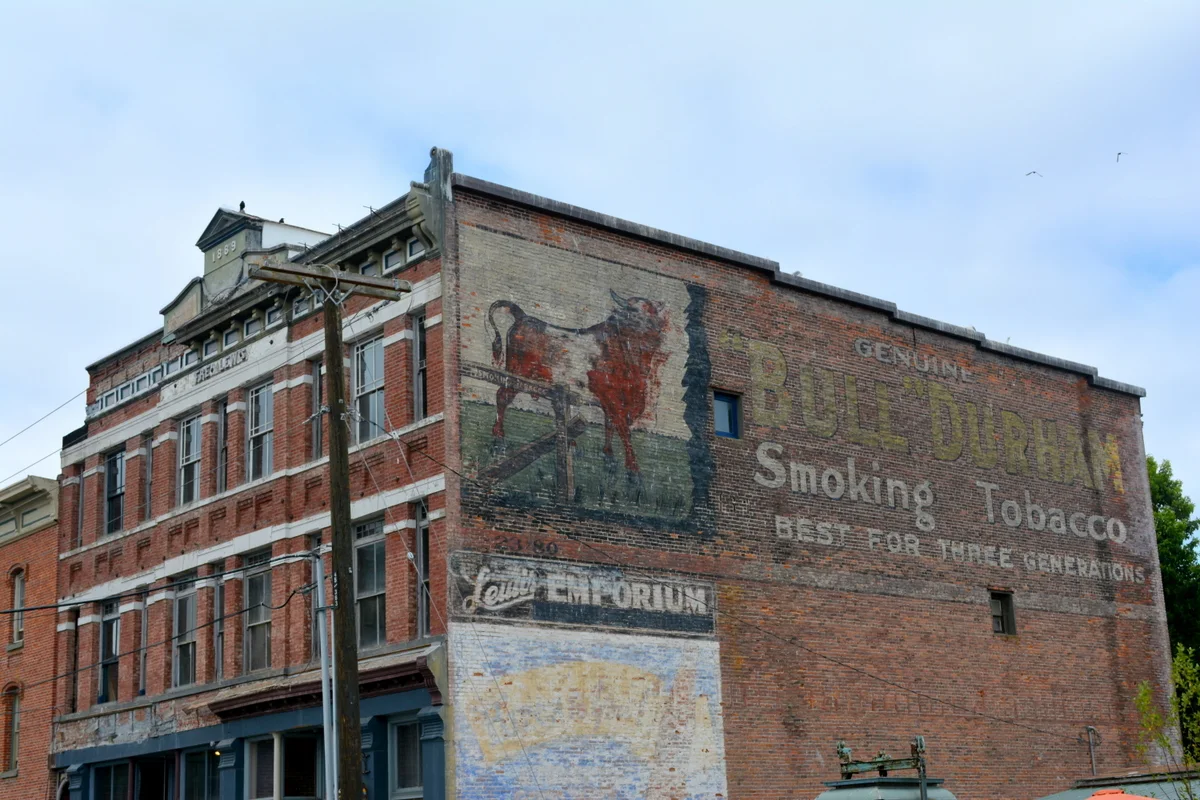
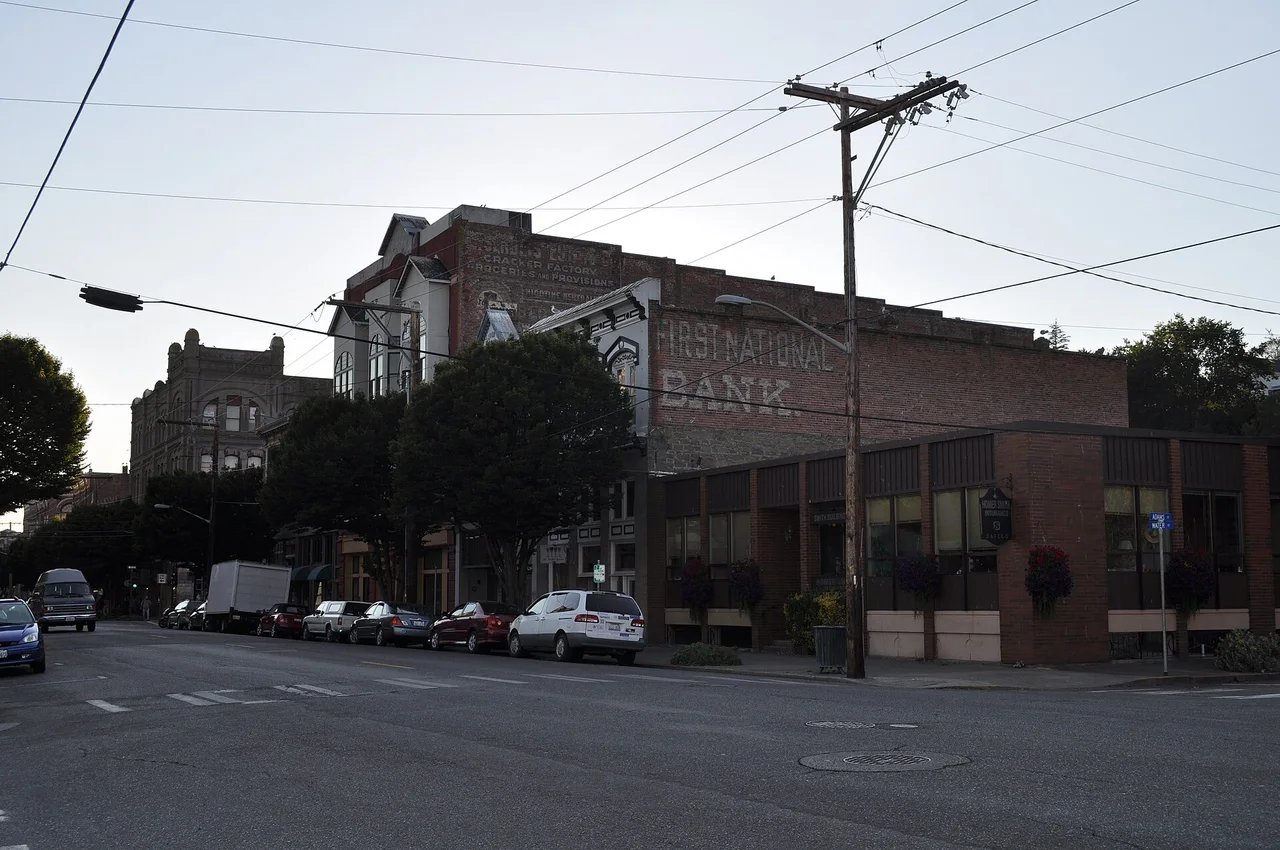
Start on Water Street, the main street of the downtown historic district, lined with tall Victorian commercial buildings of brick and sandstone. Walk it slowly end to end, look up at the cornices and arched windows, and step into the bookshops, galleries and old storefronts. Short side streets run down to small piers and beaches where you can watch boats crossing Admiralty Inlet.
Visit the Northwest Maritime Center
At the north end of Water Street, the Northwest Maritime Center sits right on the water, home to a boatbuilding shop, a chandlery and a long pier. Walk out on the pier, look over the wooden boats tied up in the harbor, and check the center's calendar; in early September the town hosts the Wooden Boat Festival here, a long weekend when wooden boats fill the harbor.
Climb the bluff to Uptown
Where to eat: Lunch at a casual cafe on Water Street before the climb, with a window table looking out at the harbor.
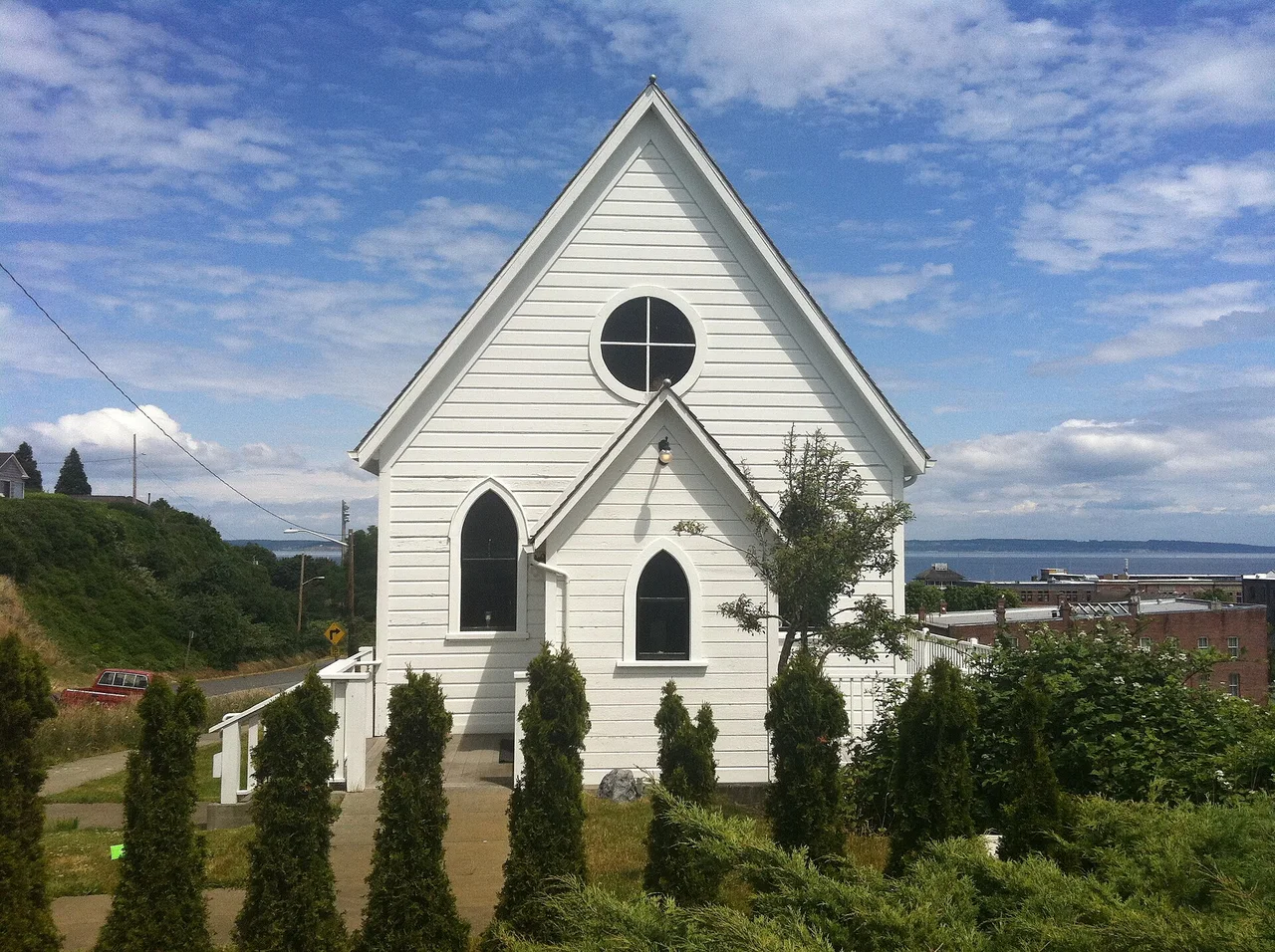
After lunch, take the public stairs at Taylor Street up the bluff to Uptown, the residential district where merchants built their homes above the noise of the port. Walk past grand Victorian houses, the old Haller Fountain at the foot of the stairs and the bell tower that once called volunteer firefighters. The views back over the rooftops to the water and the Cascades are worth the climb.
Jefferson Museum of Art and History
Back downtown, the Jefferson Museum of Art and History fills the 1892 City Hall building on Water Street, with local history, Indigenous and maritime exhibits and art from the region. Allow an hour or so. Then walk the waterfront at golden hour, when the low sun lights the brick fronts and the ferry slides in from Whidbey Island across the inlet.
Where to eat and stop
- Breakfast · Coffee and pastry downtown — A bakery on Water Street Why here: An easy start a short walk from your hotel.
- Lunch · A waterfront cafe — Water Street, downtown Why here: Casual, close to the stairs and looking out at the harbor.
- Dinner · A seafood dinner downtown — Water Street or a pier off it Why here: Local oysters, clams and salmon; reserve ahead on summer weekends.
- Quick stop (snack): Ice cream on a pier — Downtown, off Water Street Why here: A sweet stop while the boats come and go.
The downtown historic district runs along Water Street beside the harbor. Uptown sits on the bluff directly above it, reached by the Taylor Street stairs or a short drive up Washington Street.
Where to stay
- A historic hotel on Water Street — Several restored Victorian hotels sit in the brick buildings of the downtown historic district, so the waterfront, the shops and dinner are all a short walk away.
- An Uptown bed and breakfast — Uptown, on the bluff above downtown, has Victorian houses run as small inns, with quiet streets and a short walk down the stairs to Water Street.
Dinner: A seafood dinner on Water Street, a short walk from your hotel along the harbor.
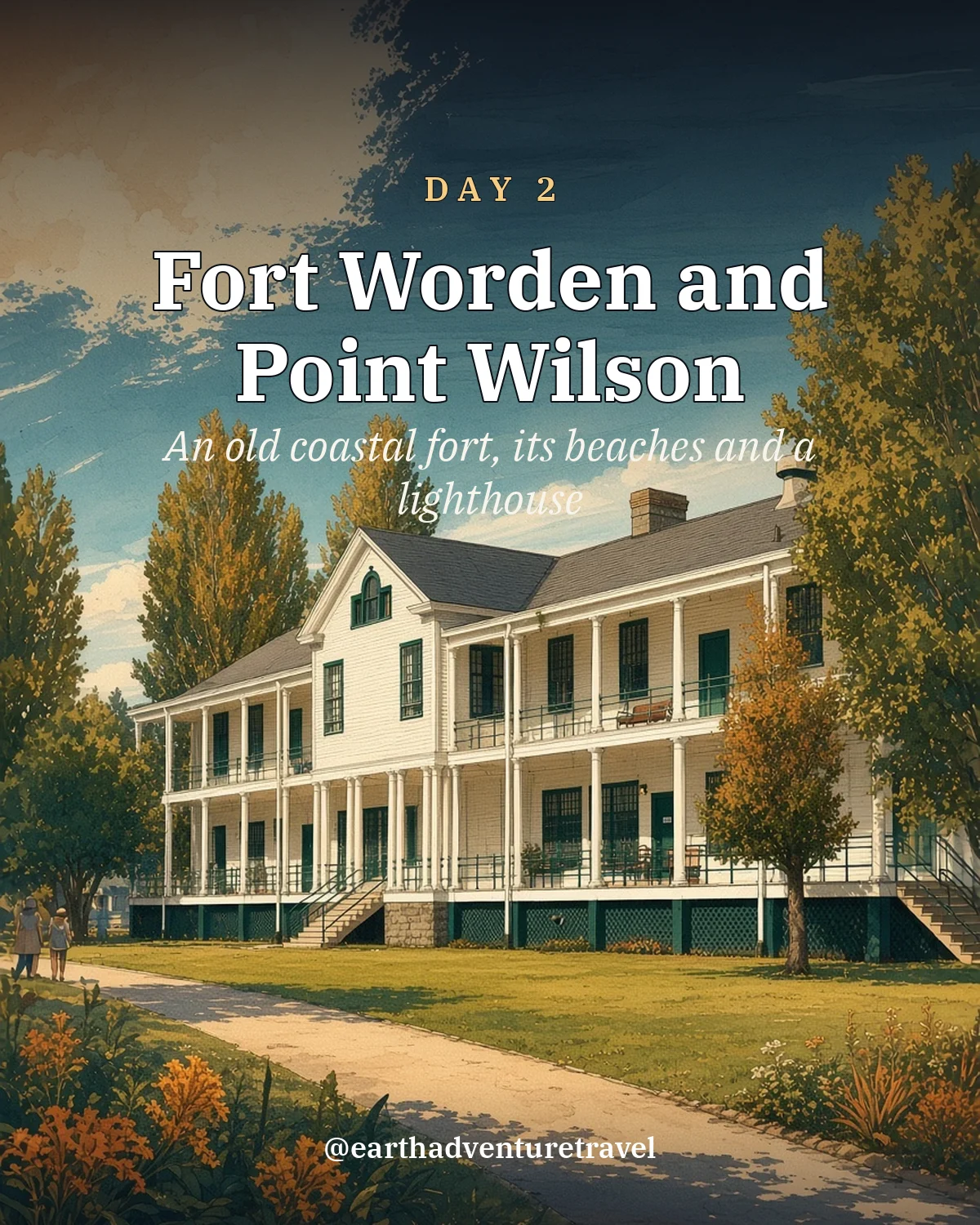
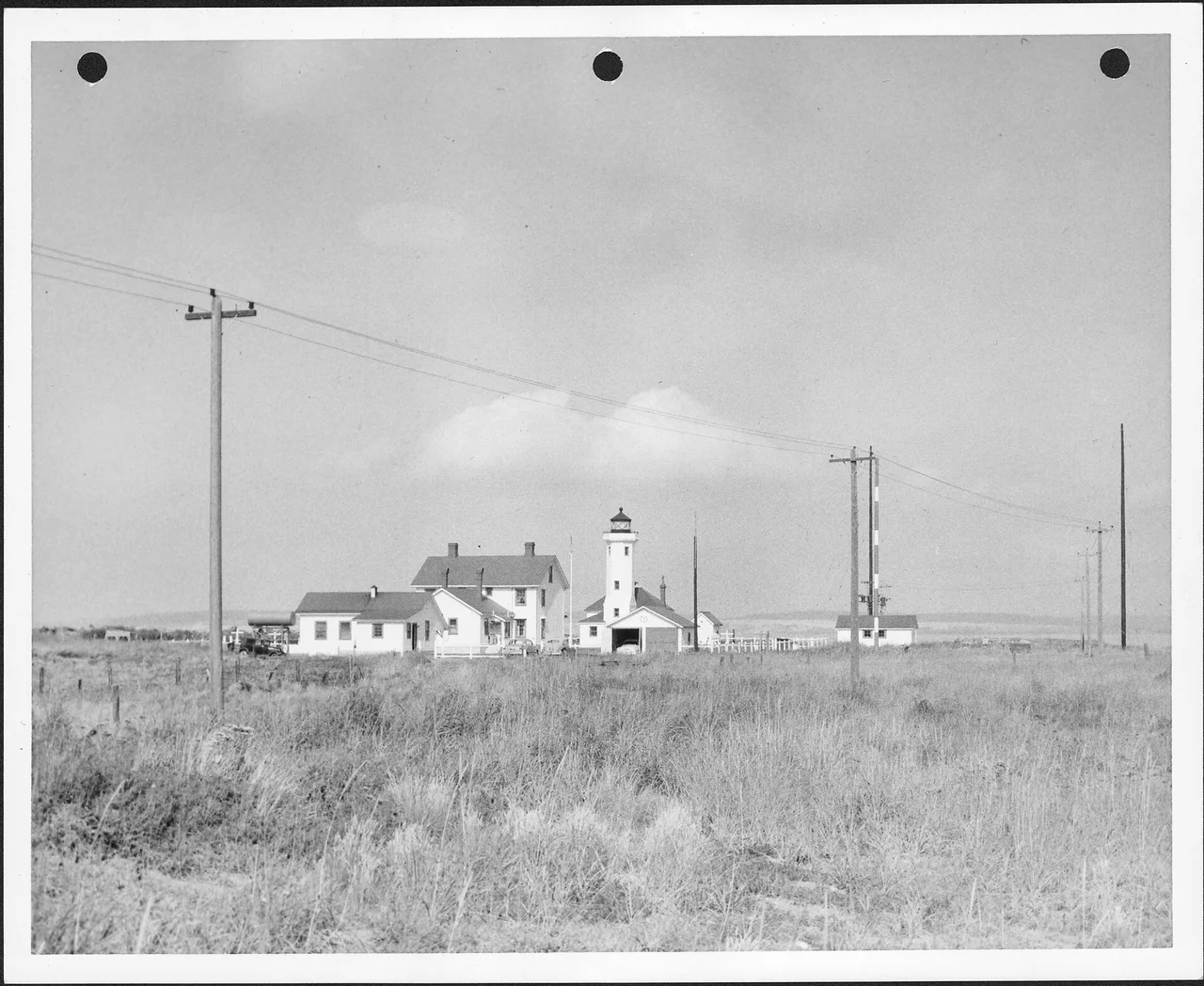
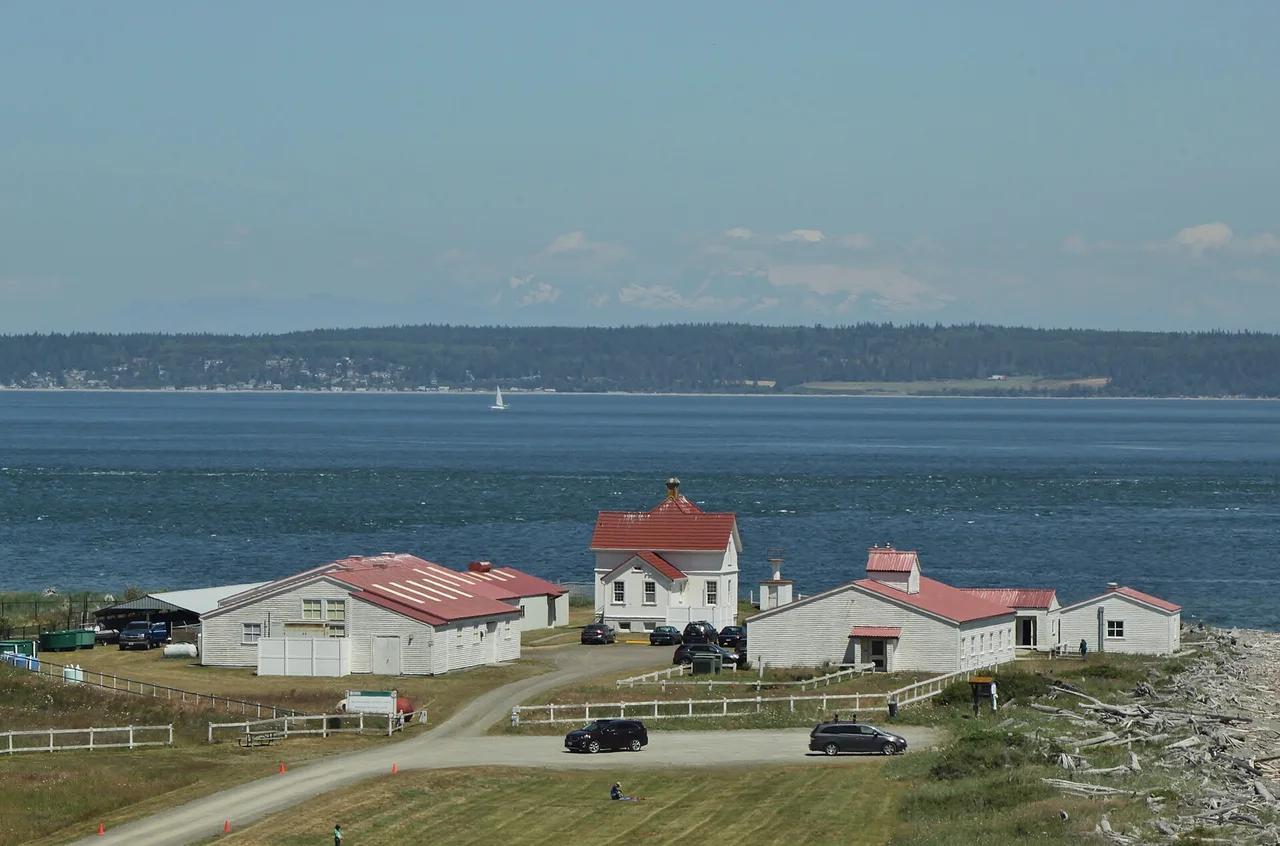
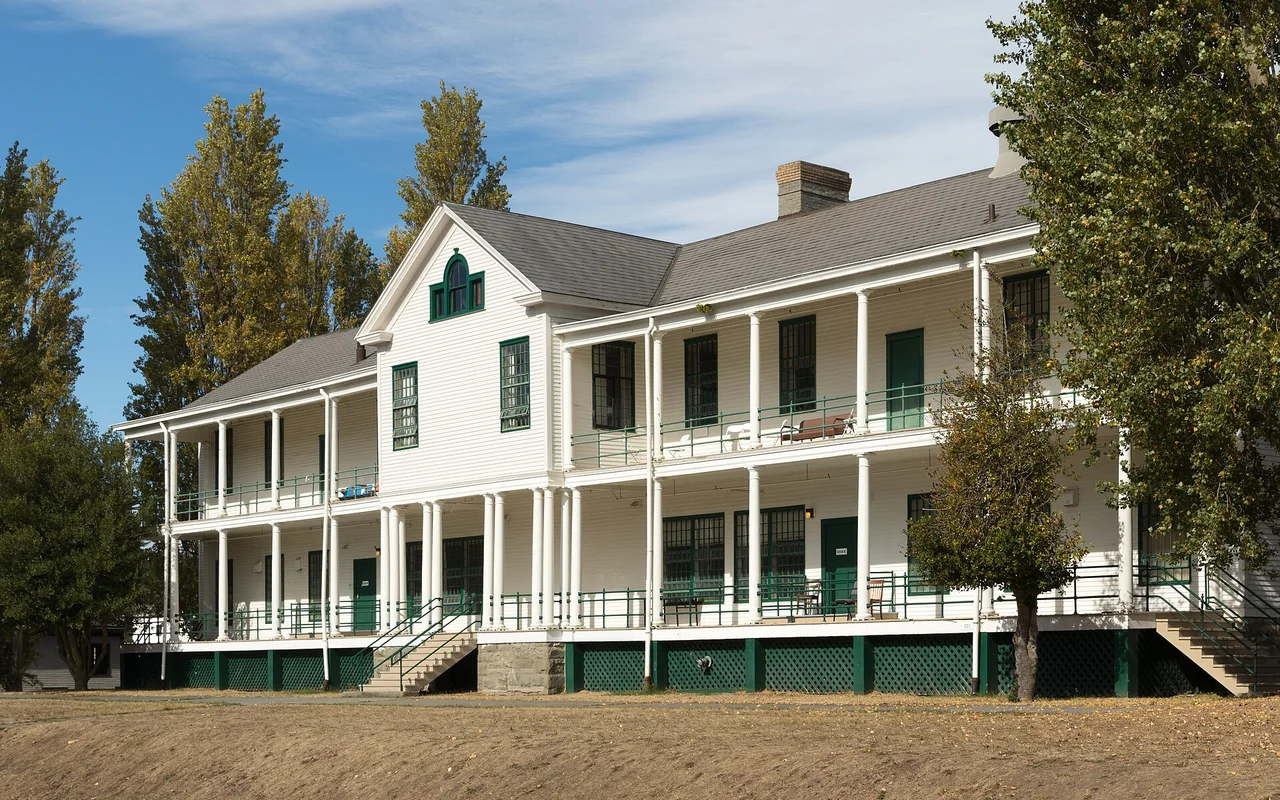
Tomorrow: Head a mile north to Fort Worden, its officers' houses, the beaches and the Point Wilson Lighthouse.
Bad-weather plan
If it rains, spend longer in the Jefferson Museum of Art and History and the bookshops on Water Street, then warm up with chowder by a harbor window.
Water Street · Northwest Maritime Center · Uptown and the bluff · Museum and the waterfront
Good to know: Downtown street parking has time limits; there are free lots a short walk from Water Street and near the ferry terminal.