MultigenHistoric & CulturalEclipse 2027

Six days · Andalusia for three generations

Andalusia with three generations: Moorish Málaga, Atlantic Cádiz and the 2027 eclipse

Verified October 2026How we verify

Two bases, six days: fortress walls above Málaga, a balcony over the sea in Nerja, then Cádiz for the total solar eclipse on the morning of August 2, 2027, and a white town on a hill to finish.

Historic & CulturalWaters EdgeMultigen

6 days / 6 nights Late July – early August 2027 Three generations
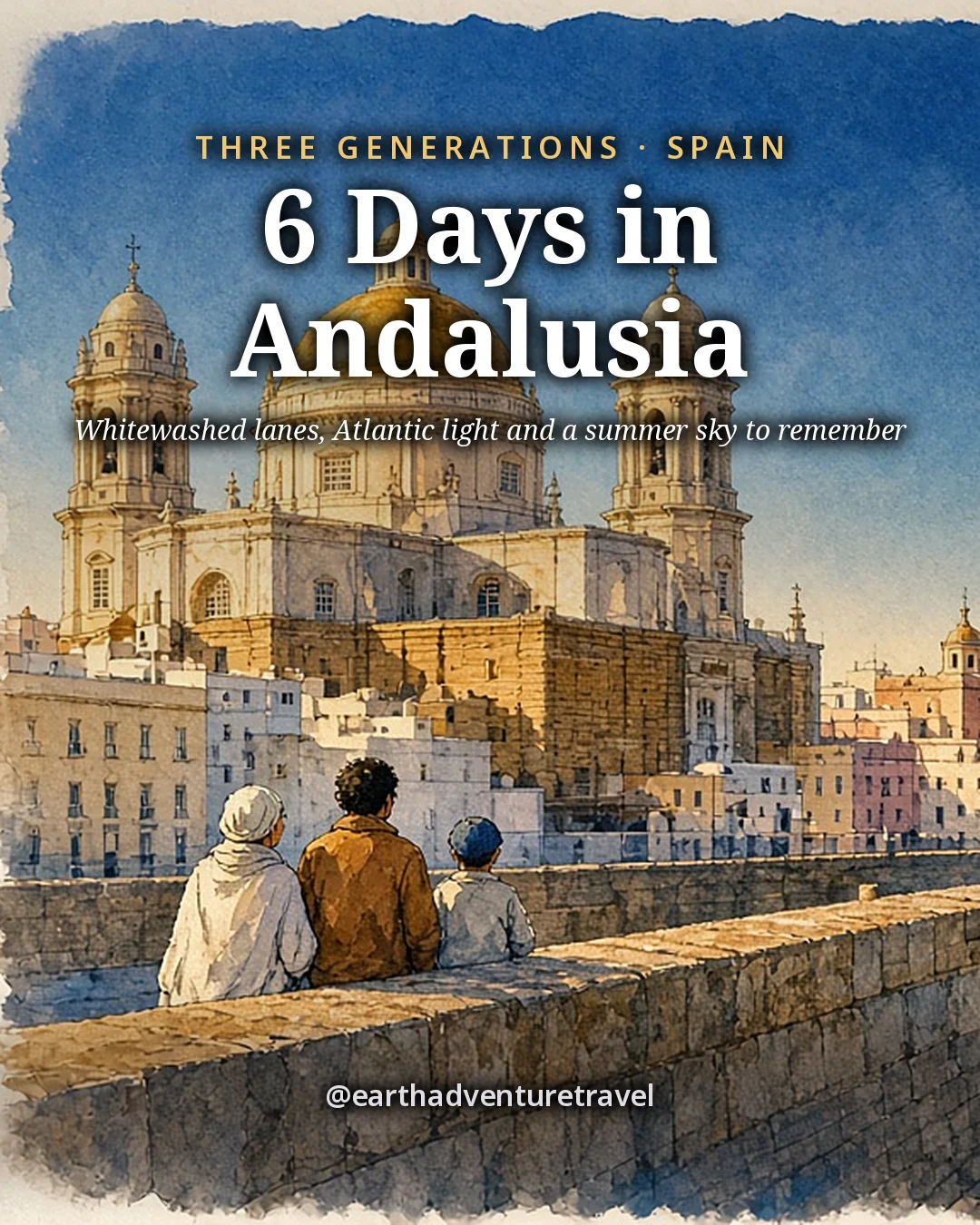
Illustration: the cover for 6 Days in Andalusia, the golden dome of Cádiz cathedral above the seawall and the Atlantic, a family of three generations seen from behind
Original illustrated itinerary artwork
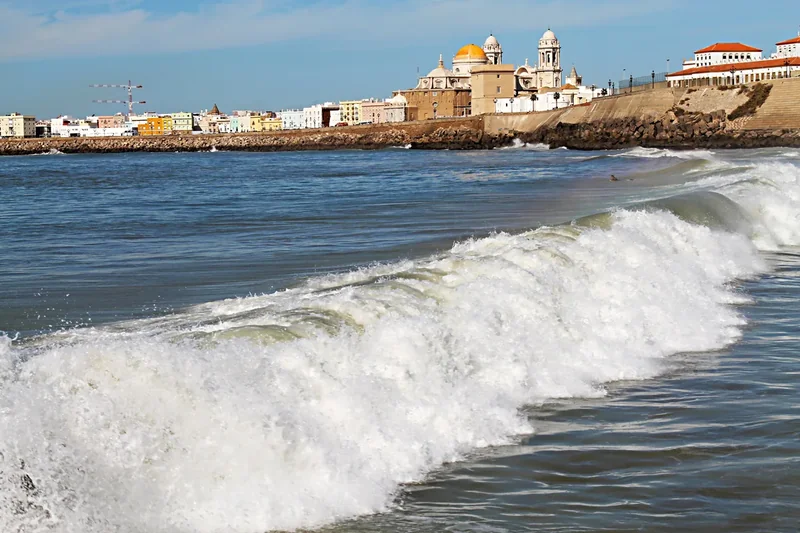
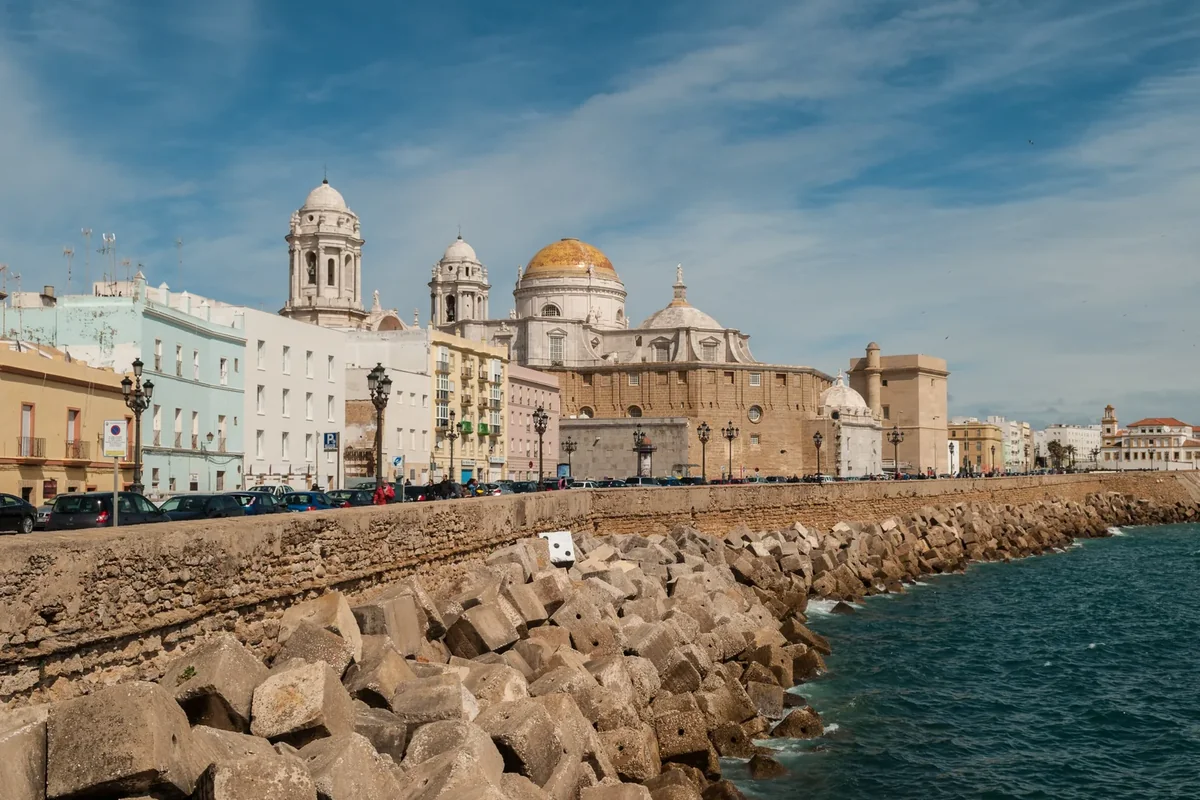
The seafront of Cádiz with the cathedral dome above white buildings and the sea
Cádiz · the cathedral dome above the old town and the Atlantic, home for the eclipse

The trip in 60 seconds

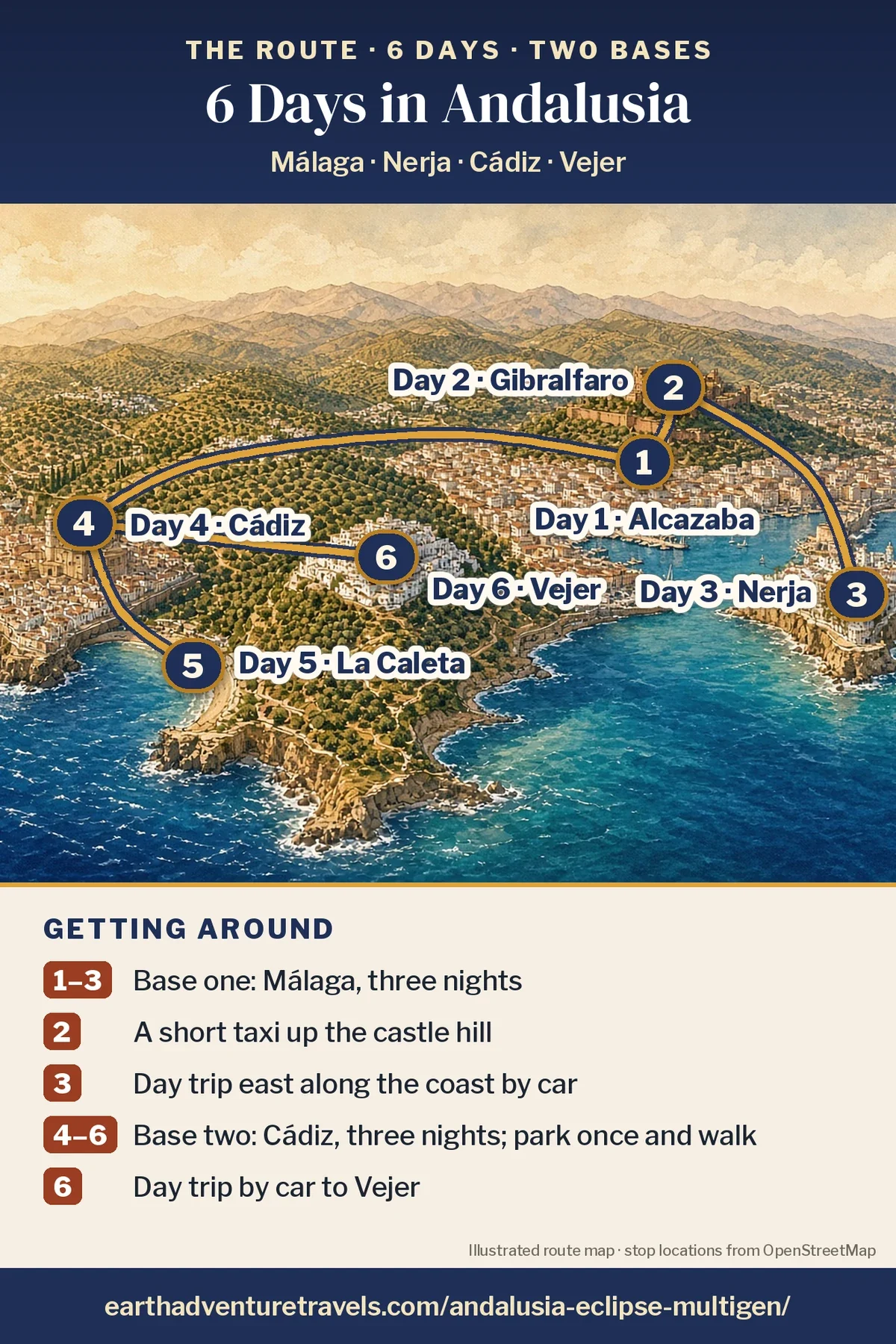
Illustration: route map of the six days, an illustrated bird’s-eye view of southern Andalusia with numbered pins at Málaga’s Alcazaba (Day 1) and Gibralfaro (Day 2), Nerja (Day 3), Cádiz cathedral (Day 4), La Caleta beach (Day 5) and Vejer de la Frontera (Day 6), with bases in Málaga and Cádiz
Andalusia in six days · Málaga and Nerja on the Mediterranean, then Cádiz and Vejer on the Atlantic side

Postcards from the trip

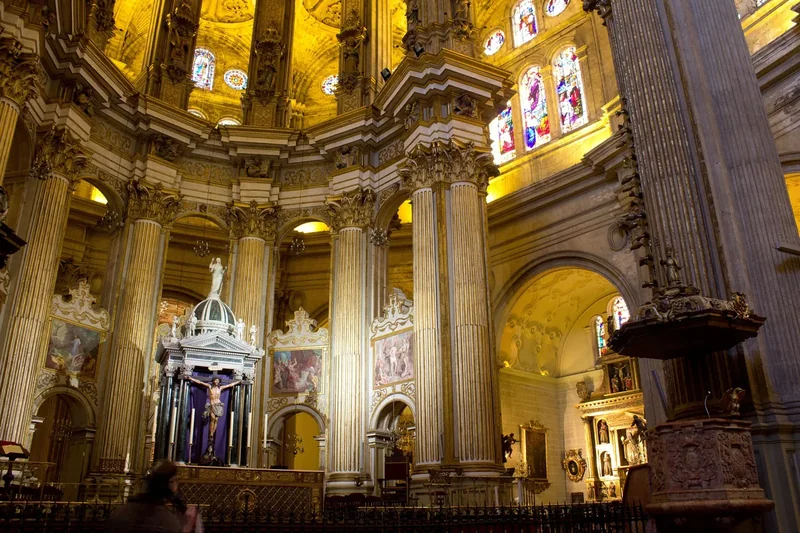
The facade and tower of Málaga Cathedral
Málaga Cathedral · a cool, quiet stop on a hot afternoon in the old centre
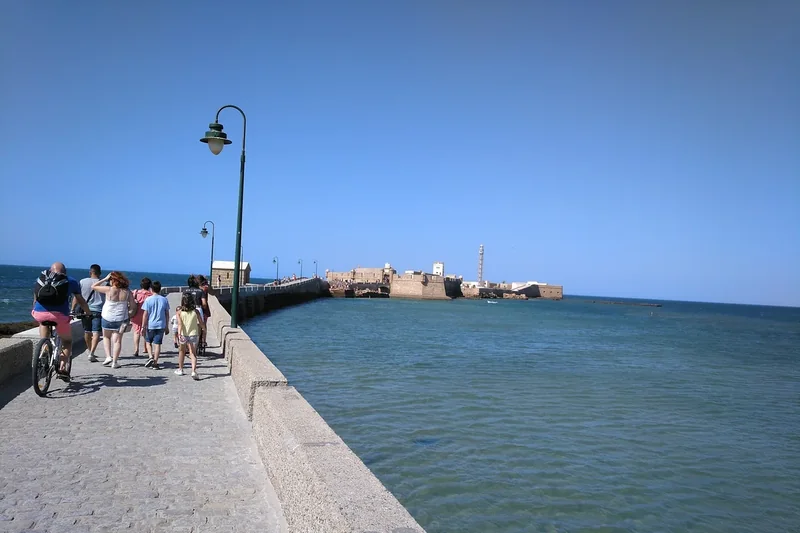
The causeway leading to the Castillo de San Sebastián in Cádiz
San Sebastián castle · the causeway out to the islet at the end of La Caleta
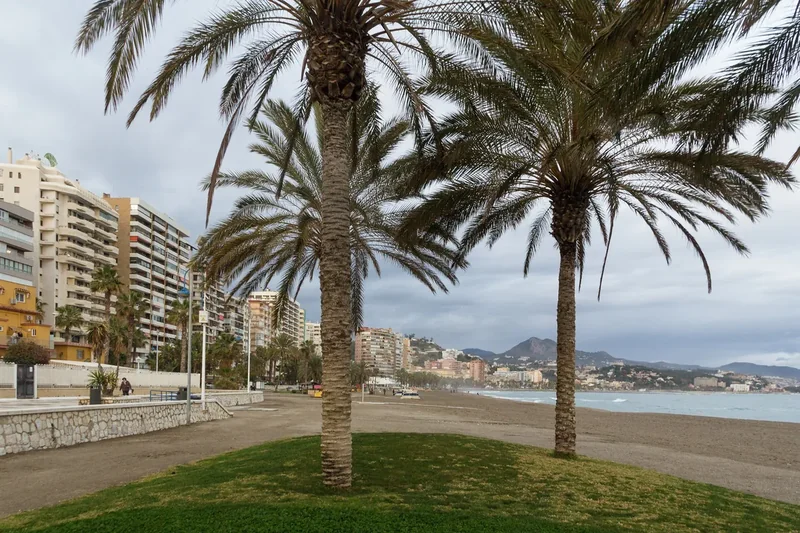
Palm trees along the Playa de la Malagueta in Málaga
The Malagueta · palms and sand a short walk from Málaga’s old centre
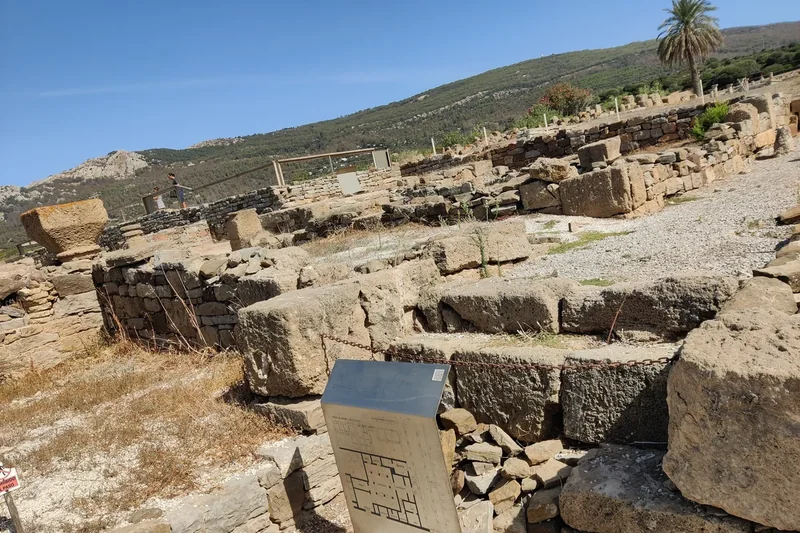
Stone ruins of the Roman town of Baelo Claudia
Baelo Claudia · the ruins of a Roman town on the Cádiz coast

The idea

Three generations, two seas, one dark morning.

On the morning of Monday, August 2, 2027, the Moon will cover the Sun over southern Spain. Spain’s National Geographic Institute calls the south of the country the best place in Europe to see it, and almost all of Cádiz province lies inside the path of totality.

This route builds a family week around that morning. Days 1 to 3 are in Málaga, with its Moorish fortress, its hilltop castle and a day on the coast at Nerja. Then you move west to Cádiz, an old town wrapped by the Atlantic, for the eclipse and a last day in the white town of Vejer.

Two rules hold all week. August in Andalusia is hot, so plan sightseeing for the morning and the evening and rest in between. And everyone, from the youngest to the oldest, uses proper eclipse glasses for every minute of the partial eclipse.

The route

Six days, two bases, one eclipse

Three nights by the Mediterranean in Málaga, then three on the Atlantic in Cádiz, with the eclipse on the second morning there.

“Two minutes and fifty-four seconds of night in the morning. Three generations will remember where they stood.”

The people behind the plans

Who is Earth Adventure Travel?

We build routes for real life — wrangling kids, spanning generations, or heading out solo — and review key details regularly. Things change and we can miss some, so we link the official sources for you to confirm before you go.

Learn About Us

Before you go

Plan & pack

Pack for the trip

  • ISO 12312-2 eclipse glasses. One pair per person, plus spares.
  • Wide-brimmed hats. Sun protection for every age.
  • Refillable water bottles. Drink often, even without thirst.
  • Light, loose clothing. Sanidad’s advice for summer heat.
  • Comfortable walking shoes. Old stone ramps and steep lanes.
  • A pinhole projector. A safe way for little ones to watch.
  • Sunscreen and sunglasses. For the beach, never the eclipse.
  • Swimsuits. Pools and beaches fill the afternoons.
The cathedral of Cádiz with its dome and towers above the seawall
Hats and water for the Cádiz sun. Cádiz Cathedral · the dome and towers above the Campo del Sur seawall in the sun
The walls and towers of the Alcázar of Jerez de la Frontera
Good shoes for old stone lanes. The Alcázar of Jerez · walls and towers of the fortress in Jerez de la Frontera
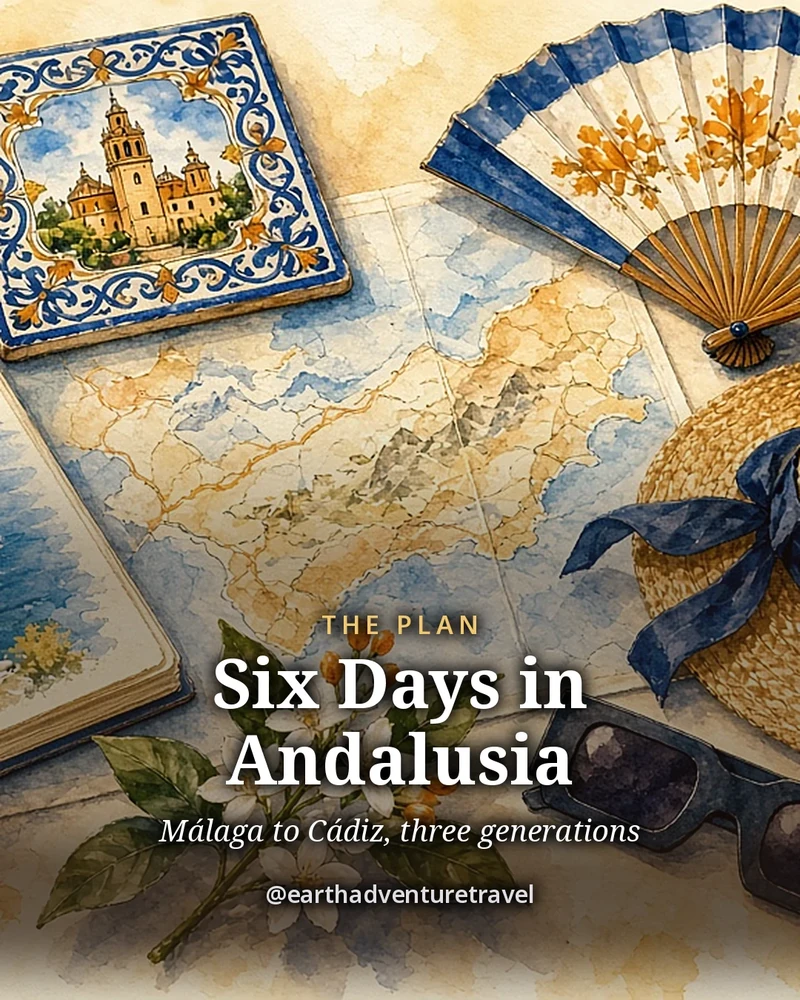
Illustration: the six-day Andalusia plan card, a map, a tile, a fan, a straw hat and a pair of eclipse glasses on a table
The plan · six days from Málaga to Cádiz, with the eclipse on Day 5

The plan, on one card

All six days on one card to save: where you sleep, the one stop that makes each day, and the eclipse morning.

The Moorish-style gateway of the Atarazanas market in MálagaThe facade and tower of Málaga CathedralThe causeway leading to the Castillo de San Sebastián in Cádiz
In town · Málaga’s Atarazanas market and cathedral, and the causeway to San Sebastián castle in Cádiz
Illustration: recap card of a family seen from behind above white rooftops and a cathedral by the sea
Route recap · two bases, two seas and one eclipse, kept on your phone

The recap, for the road

The short version for your phone: the six days, the tickets and the eclipse safety rules.

Palm trees along the Playa de la Malagueta in MálagaStone ruins of the Roman town of Baelo ClaudiaThe walls and towers of the Alcázar of Jerez de la Frontera
Along the coast · palms on the Malagueta, Roman Baelo Claudia and the Alcázar of Jerez

Quick answers

Planning notes

When is the 2027 total solar eclipse in Spain?

On Monday, August 2, 2027, in the morning. Spain’s National Geographic Institute puts the start of totality in Cádiz at 10:45, lasting 2 minutes 54 seconds, and in Málaga at 10:48, lasting 1 minute 48 seconds.

Where is the best place to see the 2027 eclipse in Spain?

Southern Spain. The IGN calls it the best place in Europe to see this eclipse: totality covers almost all of Cádiz province and much of Málaga province, and the longest totality in Spain is in Ceuta, at 4 minutes 48 seconds.

How do children watch a solar eclipse safely?

With eclipse glasses or handheld viewers that meet ISO 12312-2, under adult supervision, for every minute of the partial eclipse. Sunglasses are not safe. Only during totality, when the Moon completely covers the Sun, is it safe to look without them; a pinhole projector is a good alternative for small kids.

How hot is Andalusia in August, and how do you cope?

August is the hottest time of year, and Spain runs a national heat-prevention plan every summer. Follow the Ministry of Health advice: drink water even when not thirsty, avoid the hottest hours, wear light clothing and a hat, and call 112 for signs of heat stroke.

How much are the Alcazaba and Gibralfaro tickets?

€7 each, or €10 for a combined ticket. Both are open 09:00–20:00 from April to October, and entry is free on Sundays from 14:00.

How much is Cádiz Cathedral?

€12, or €11 for visitors over 65, including the crypt, the Torre del Reloj and the Casa de la Contaduría. Hours can change for services, so check the official site.

Before you set off — the official checks

Eclipse times, ticket prices, opening hours and heat warnings. Confirm current details on the sites listed under official links.

References

Research behind this guide

The reporting and research that shaped this itinerary.

Heat stroke ↗Ministerio de Sanidad
Alcazaba history ↗Ayuntamiento de Málaga
Gibralfaro history ↗Ayuntamiento de Málaga
Cádiz Cathedral ↗Turismo de Cádiz
Playa de la Caleta ↗Turismo de Cádiz
Balcón de Europa ↗Visita Nerja
Vejer tourist office ↗Ayuntamiento de Vejer
Real Decreto 1690/1976 (Vejer) ↗BOE

Photo credits

Photos via Wikimedia Commons, resized and converted to WebP. The illustrated cover, day cards, plan card and recap card are this guide’s original itinerary artwork, illustrated from the credited photos listed here.

  • Cádiz seafront — photo by Michal Osmenda, CC BY 2.0; it is also the basis of the Cover and Cover web illustrations
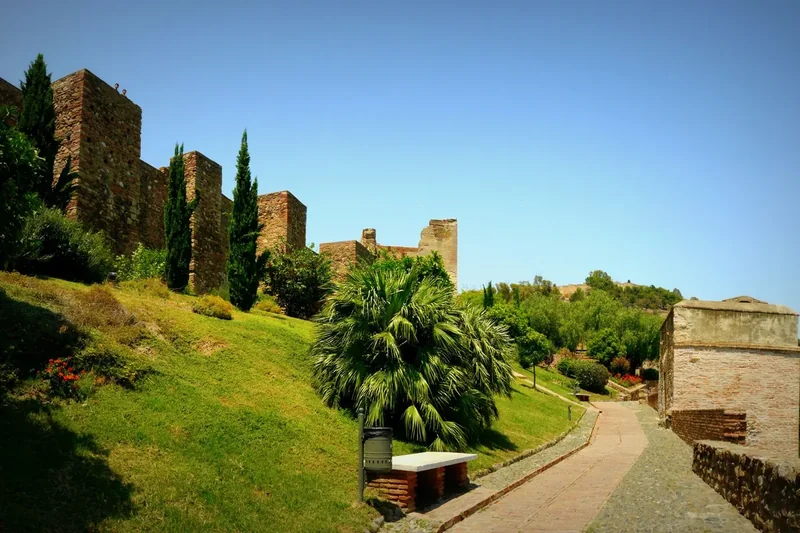
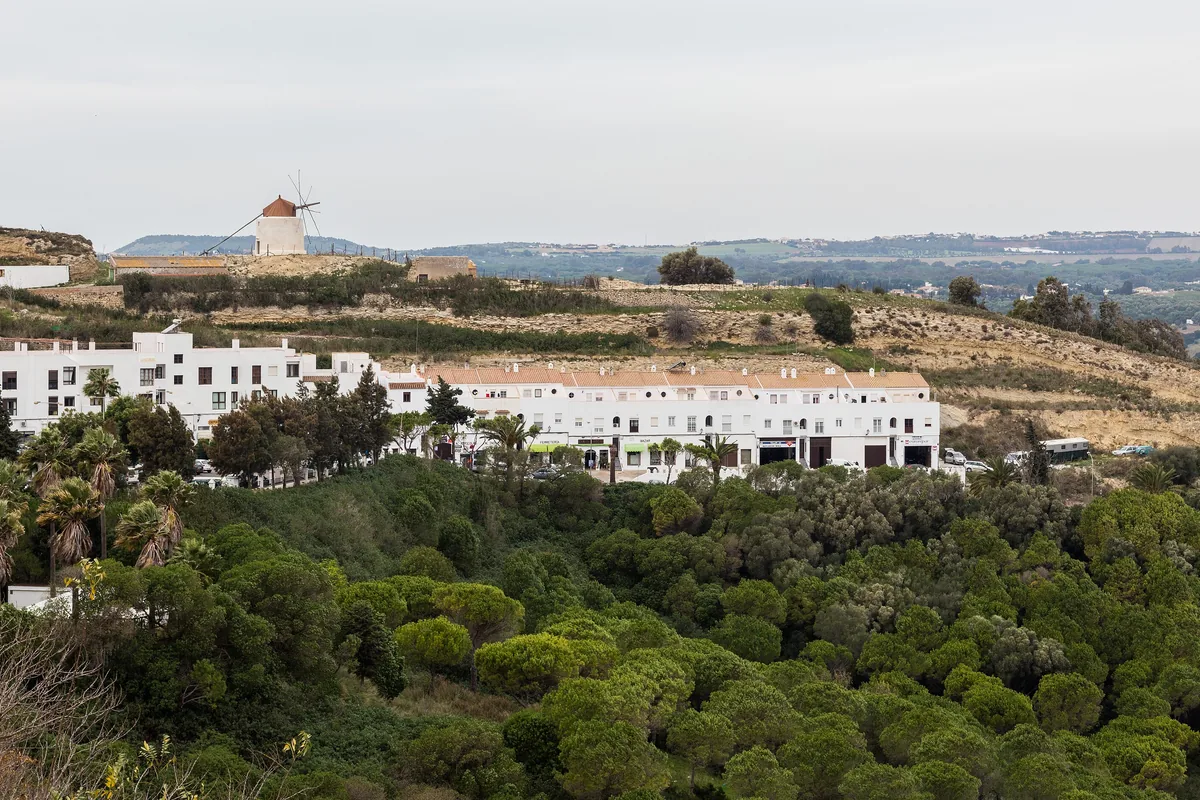
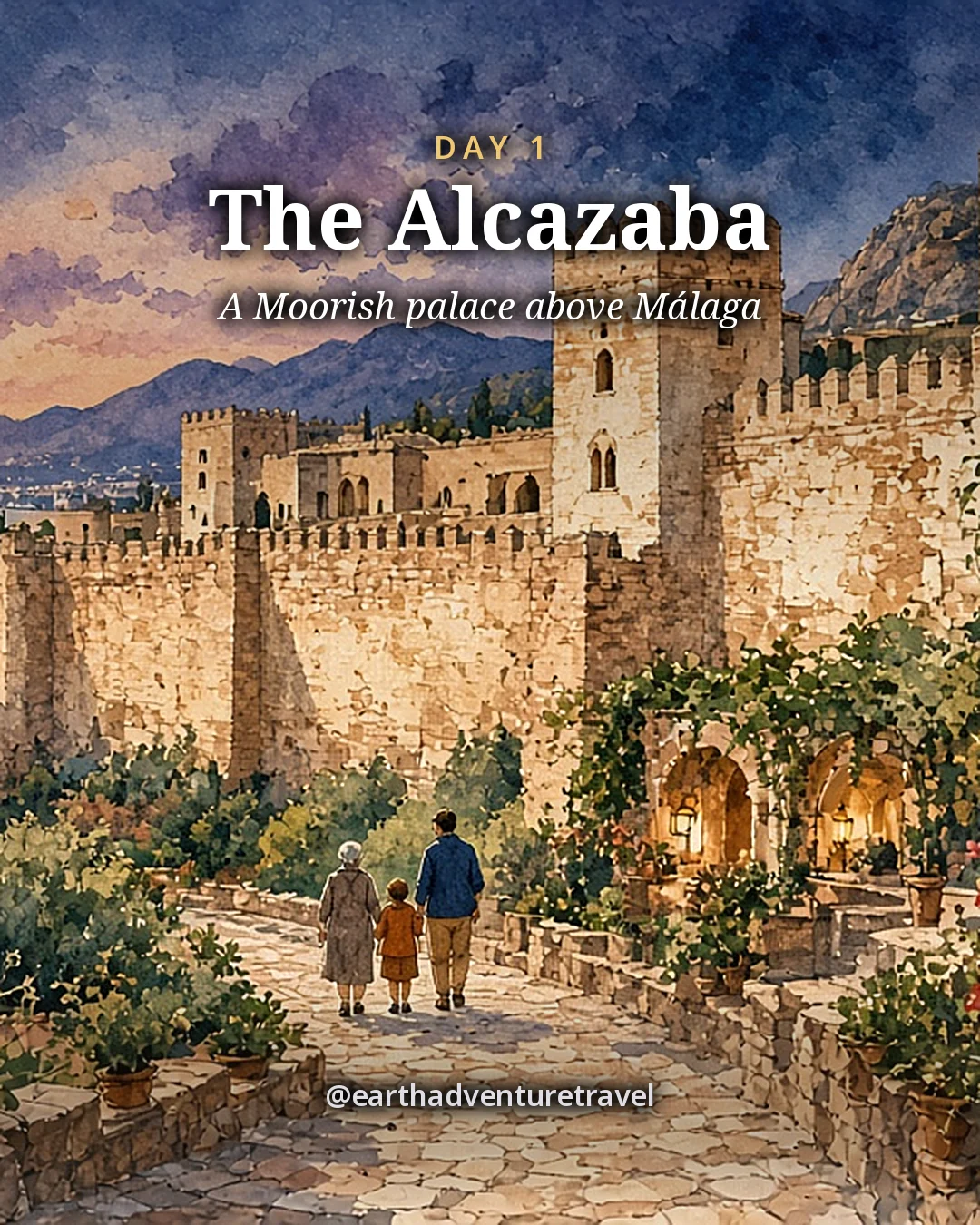
  • Alcazaba of Málaga — photo by Ronny Siegel, CC BY 4.0; it is also the basis of the Day 1 card illustration
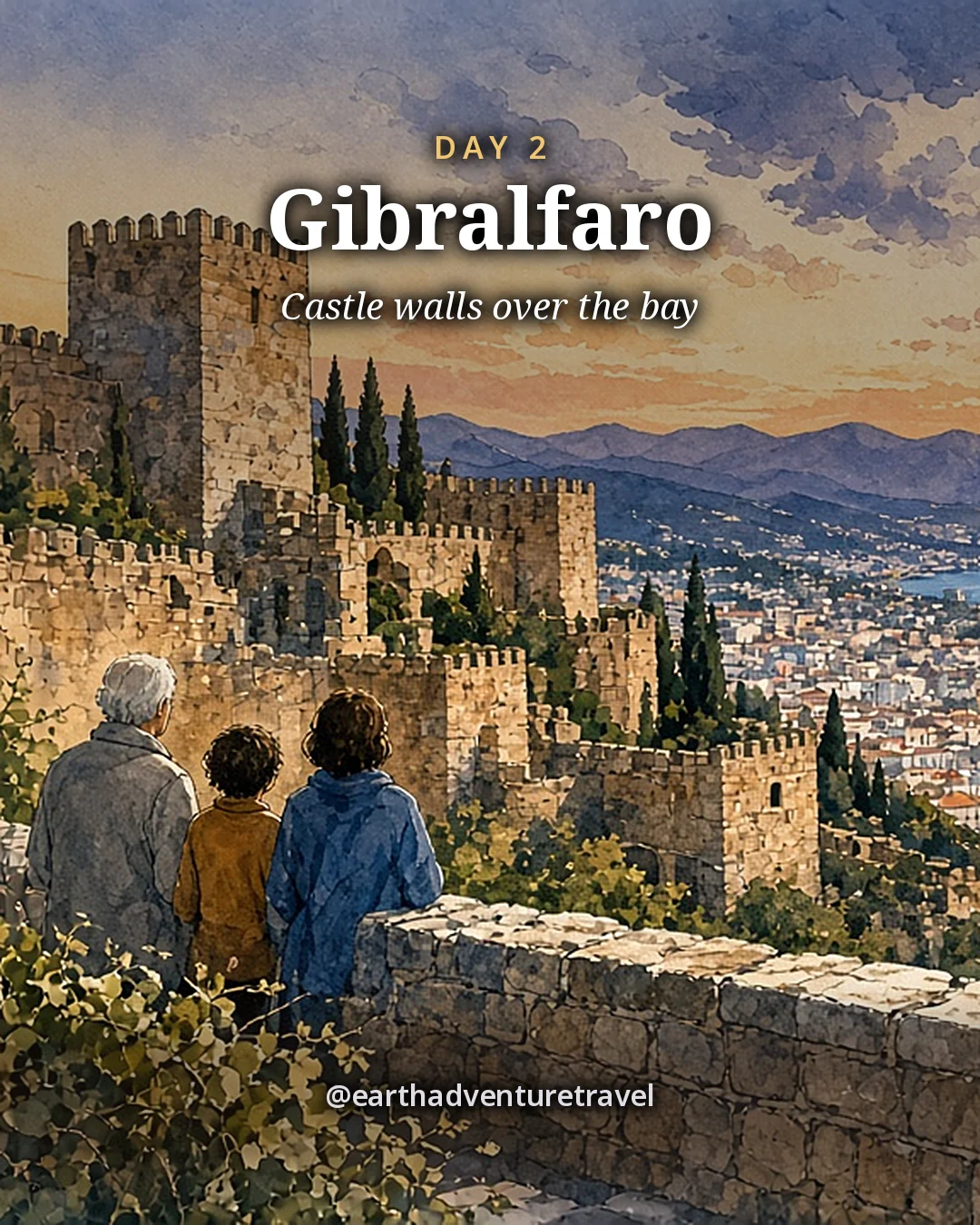
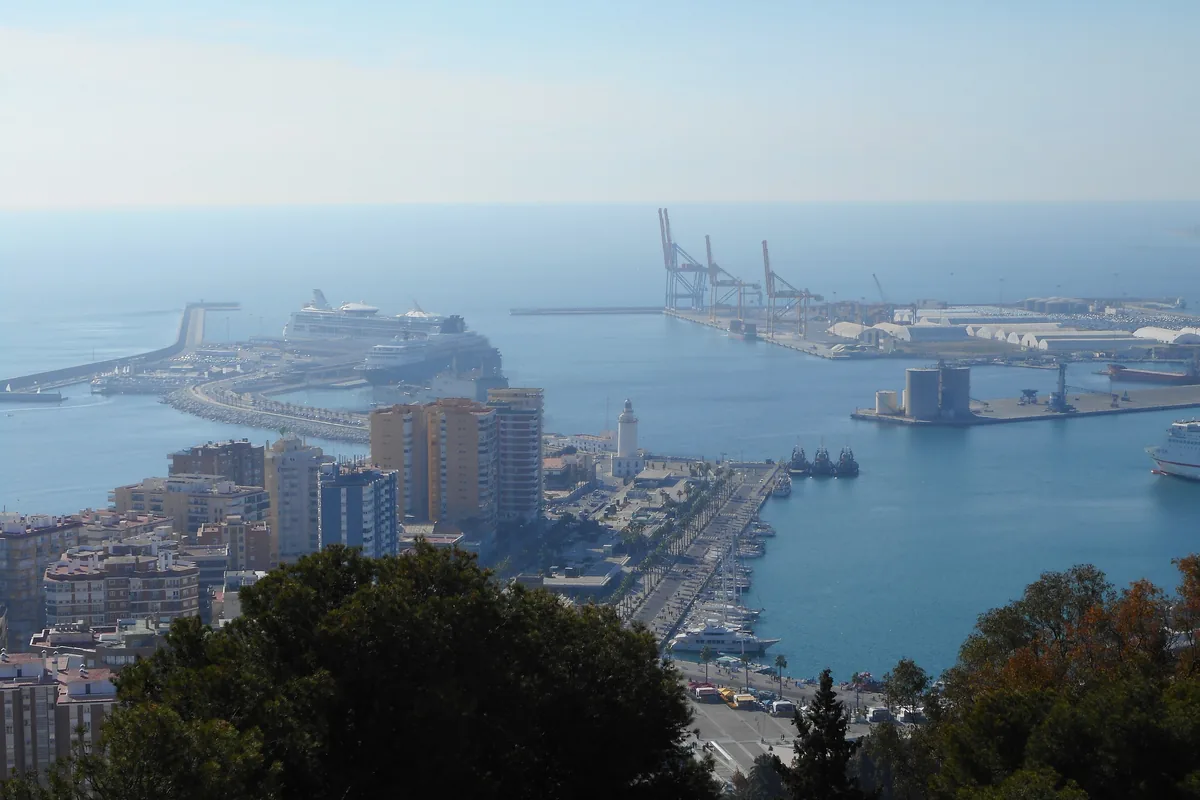
  • View from Gibralfaro — photo by Carol Fenijn, CC BY-SA 4.0; this resized copy is shared under the same license (CC BY-SA 4.0); it is also the basis of the Day 2 card illustration, shared under the same license (CC BY-SA 4.0)
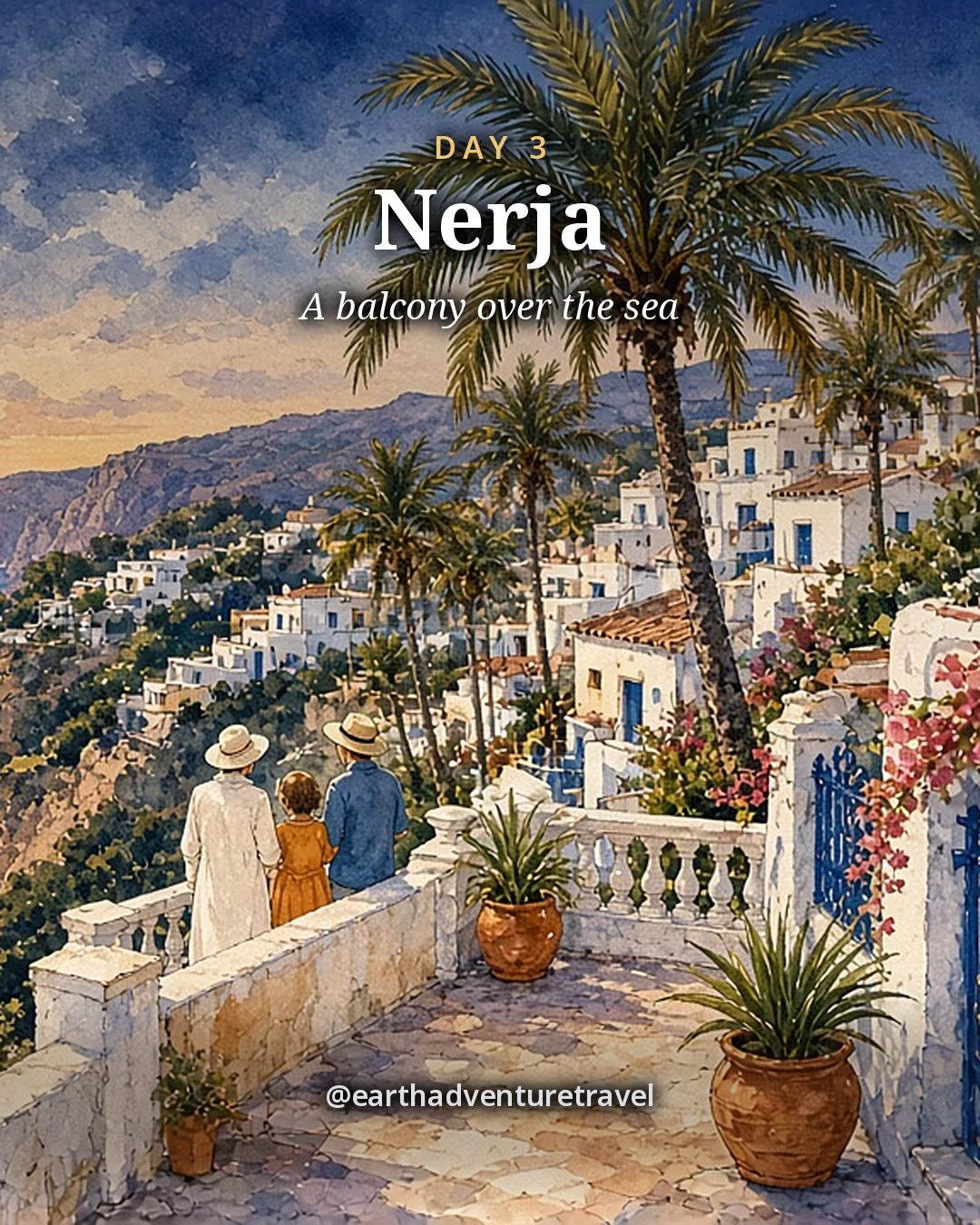
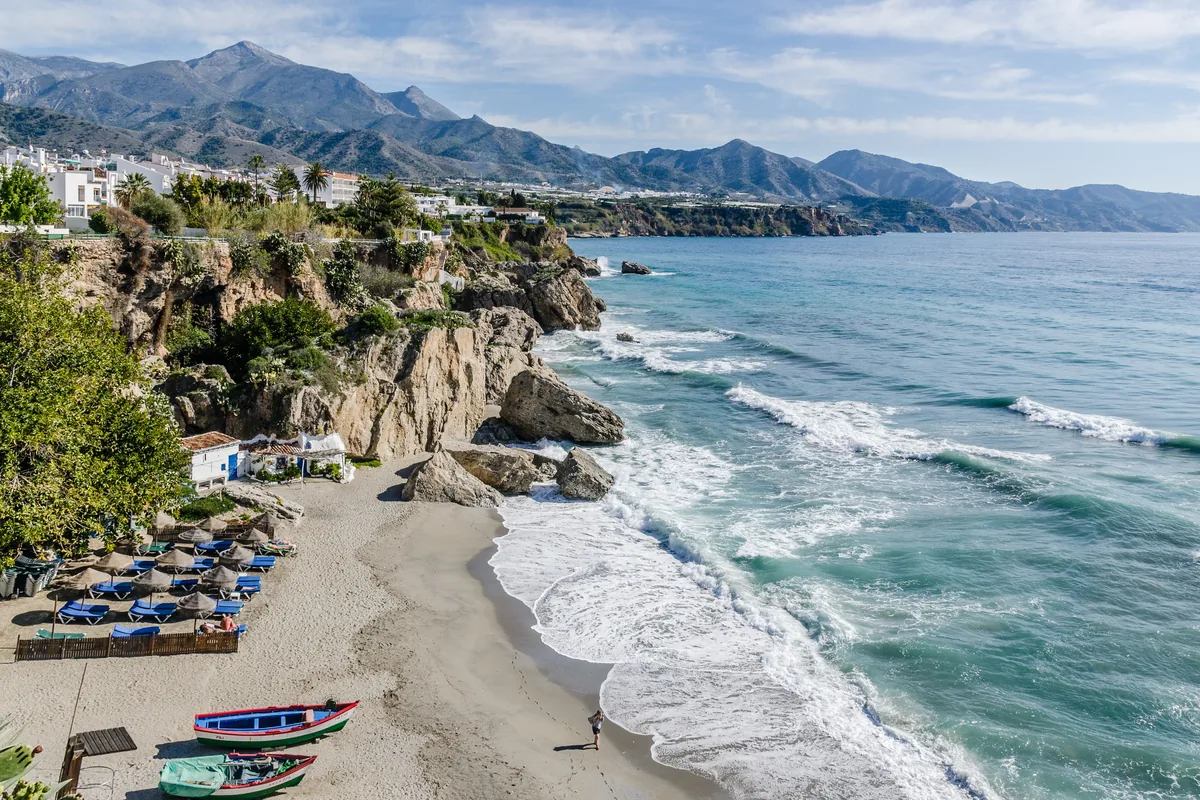
  • Balcón de Europa, Nerja — photo by Tuxyso, CC BY-SA 3.0; this resized copy is shared under the same license (CC BY-SA 3.0); it is also the basis of the Day 3 card illustration, shared under the same license (CC BY-SA 3.0)
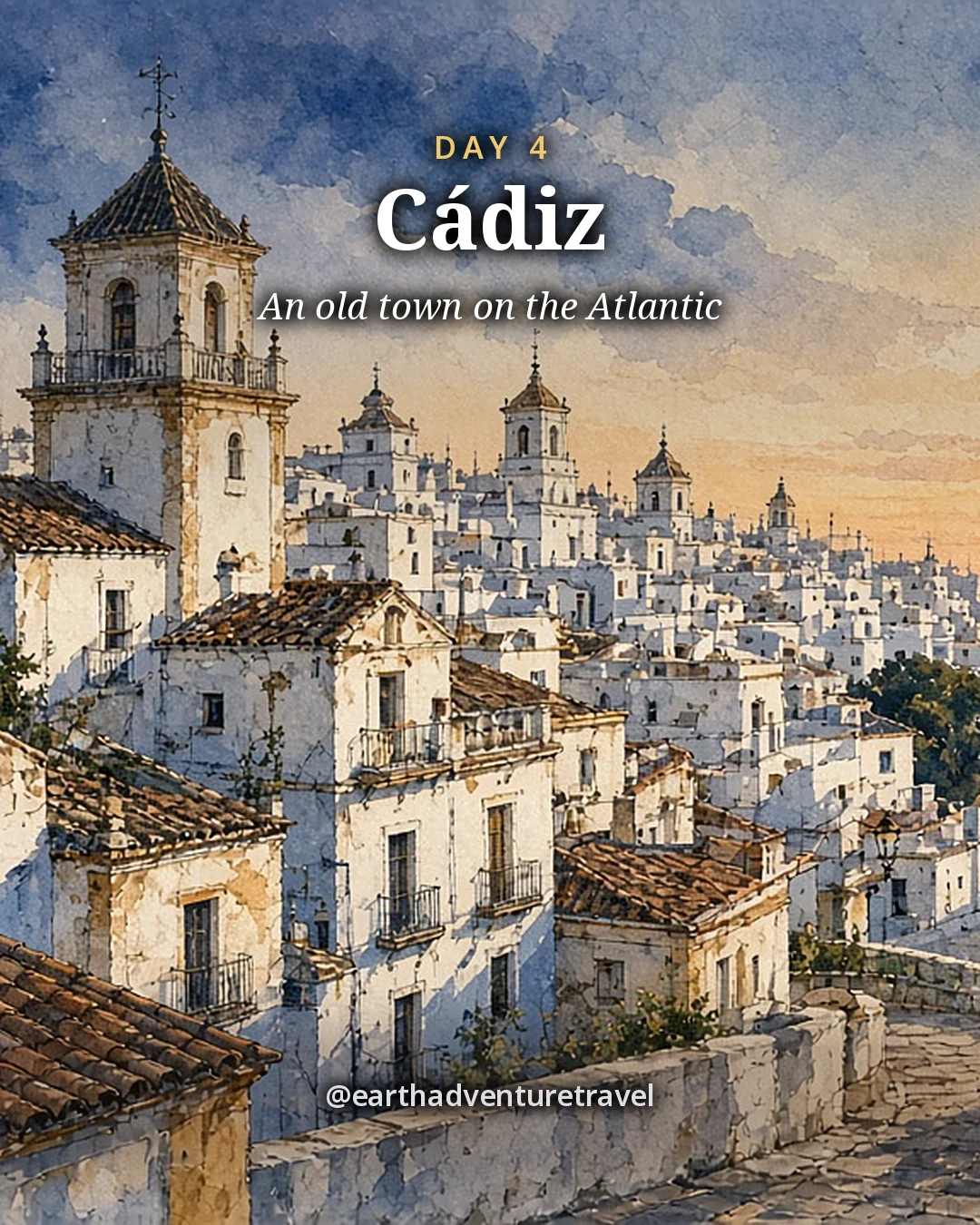
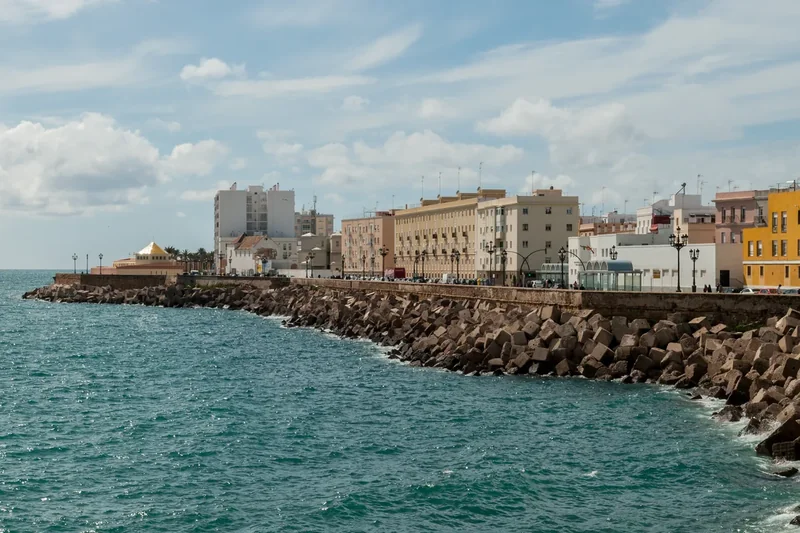
  • Cádiz old town — photo by Michal Osmenda, CC BY 2.0; it is also the basis of the Day 4 card illustration
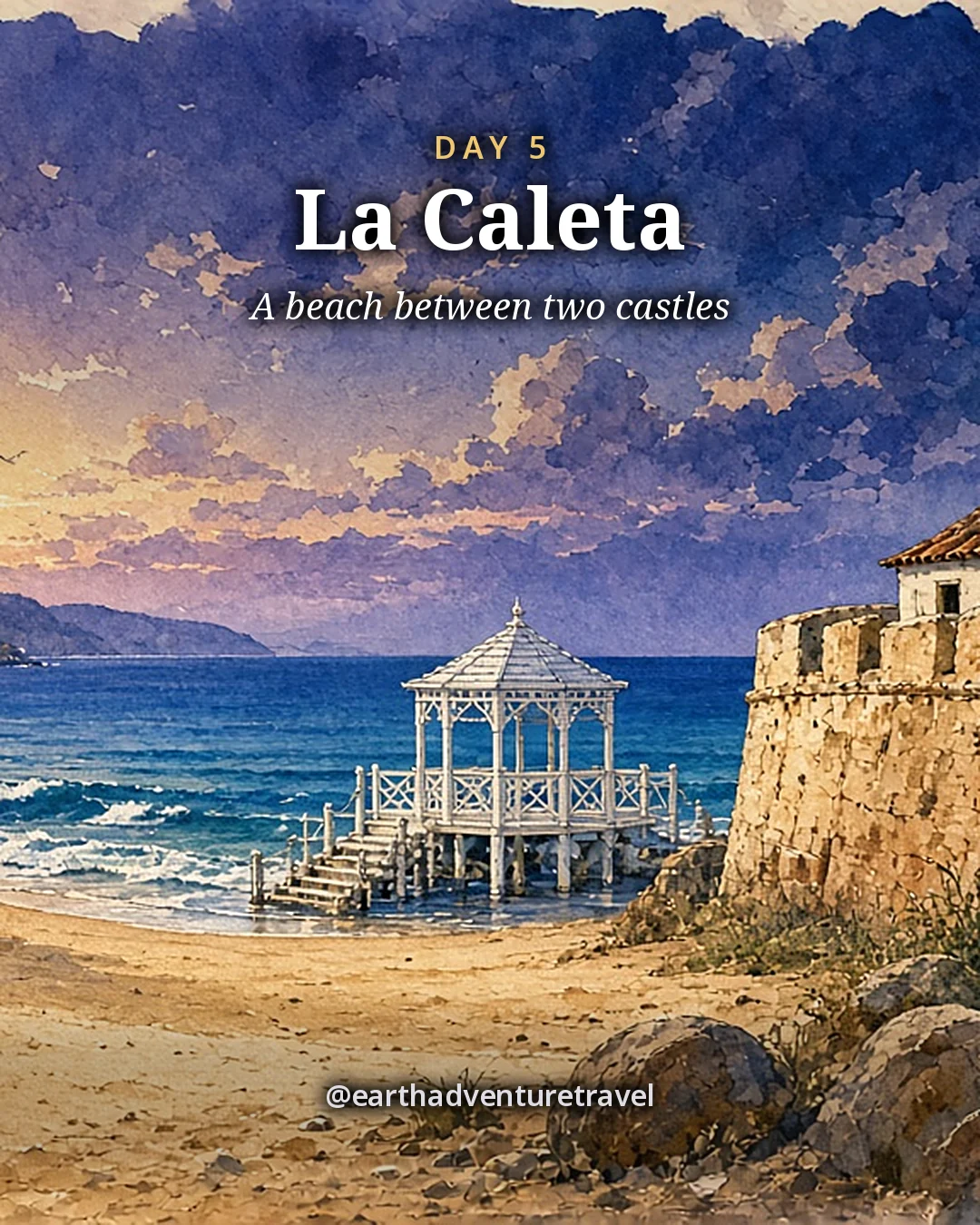
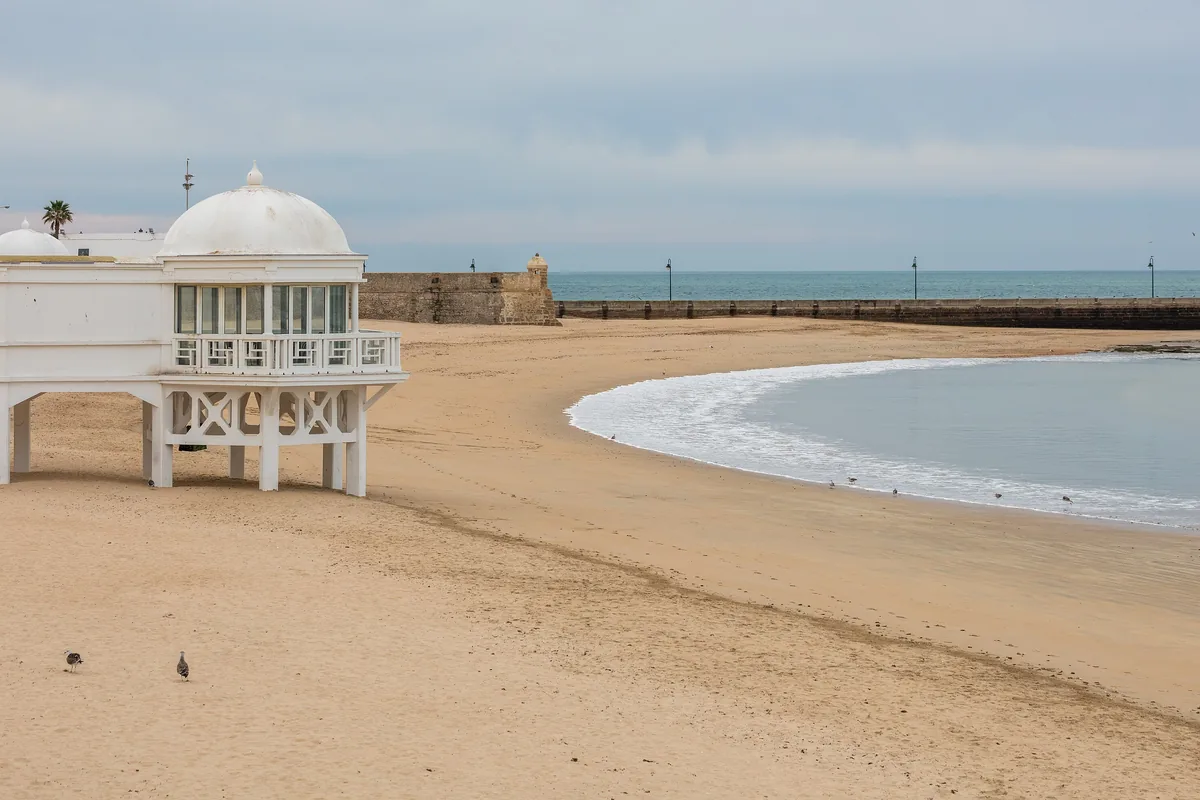
  • Playa de la Caleta — photo by Diego Delso, CC BY-SA 4.0; this resized copy is shared under the same license (CC BY-SA 4.0); it is also the basis of the Day 5 card illustration, shared under the same license (CC BY-SA 4.0)
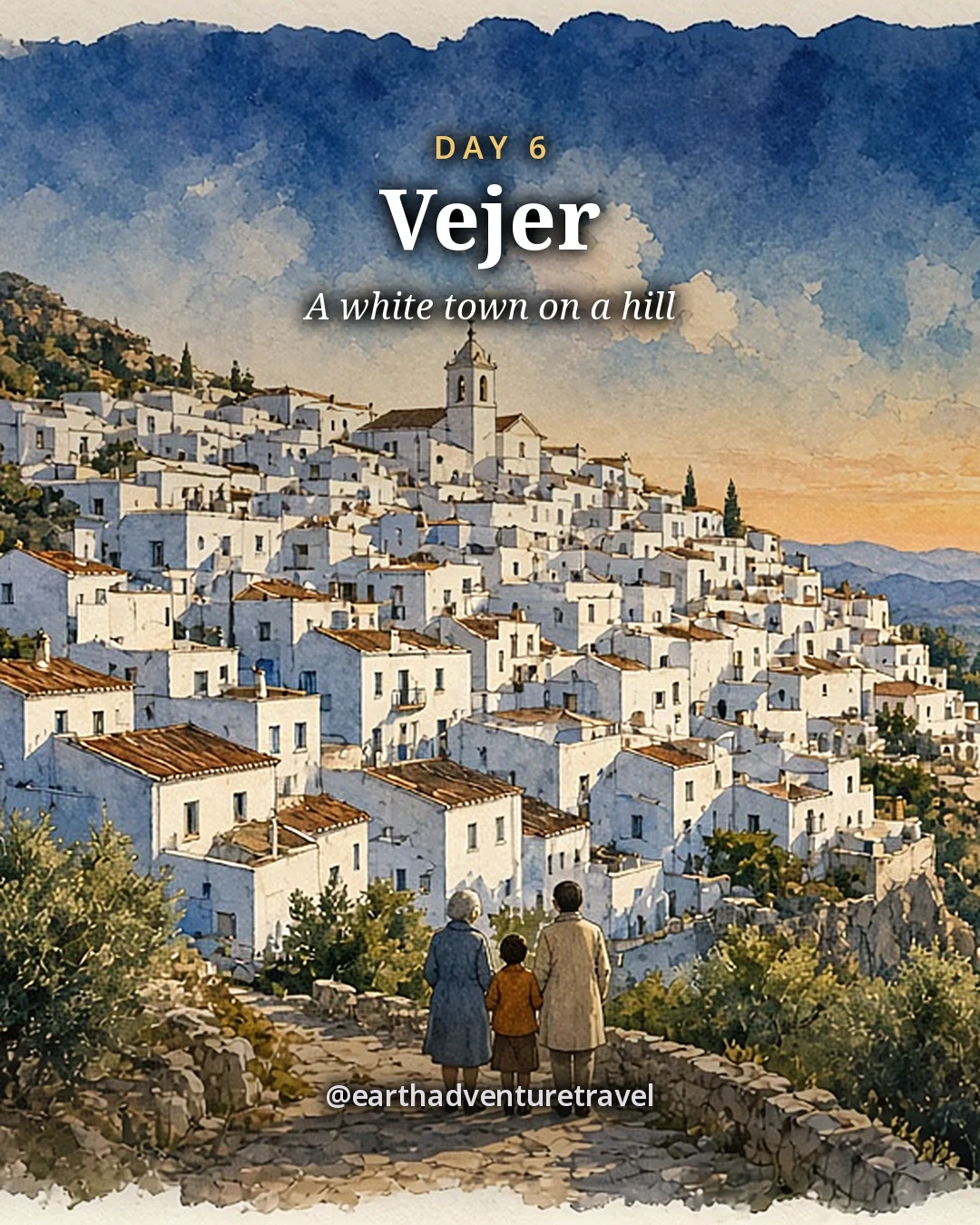
  • Vejer de la Frontera — photo by Diego Delso, CC BY-SA 4.0; this resized copy is shared under the same license (CC BY-SA 4.0); it is also the basis of the Day 6 card illustration, shared under the same license (CC BY-SA 4.0)
  • Cádiz Cathedral — photo by Harlock20, CC BY-SA 3.0; this resized copy is shared under the same license (CC BY-SA 3.0); it is also the basis of the Packing card illustration, shared under the same license (CC BY-SA 3.0)
  • Alcázar of Jerez — photo by Diego Delso, CC BY-SA 4.0; this resized copy is shared under the same license (CC BY-SA 4.0)
  • Atarazanas market — photo by Christian Schmitt, CC BY 2.0; it is also the basis of the Recap card illustration
  • Málaga Cathedral — photo by Dylan Jenkinson, CC BY-SA 3.0; this resized copy is shared under the same license (CC BY-SA 3.0)
  • Castillo de San Sebastián — photo by Axel Cotón Gutiérrez, CC BY-SA 4.0; this resized copy is shared under the same license (CC BY-SA 4.0)
  • Playa de la Malagueta — photo by Alexey Komarov, CC BY-SA 4.0; this resized copy is shared under the same license (CC BY-SA 4.0)
  • Baelo Claudia — photo by El Pantera, CC BY-SA 4.0; this resized copy is shared under the same license (CC BY-SA 4.0)
  • Route map — original illustrated route artwork for this guide; stop locations from OpenStreetMap

The trip index

Choose the landscape. Then choose the pace.

Every guide on the site, filtered the same way everywhere: region, season, who is going, style, trip type and length.